2017 Ongoing
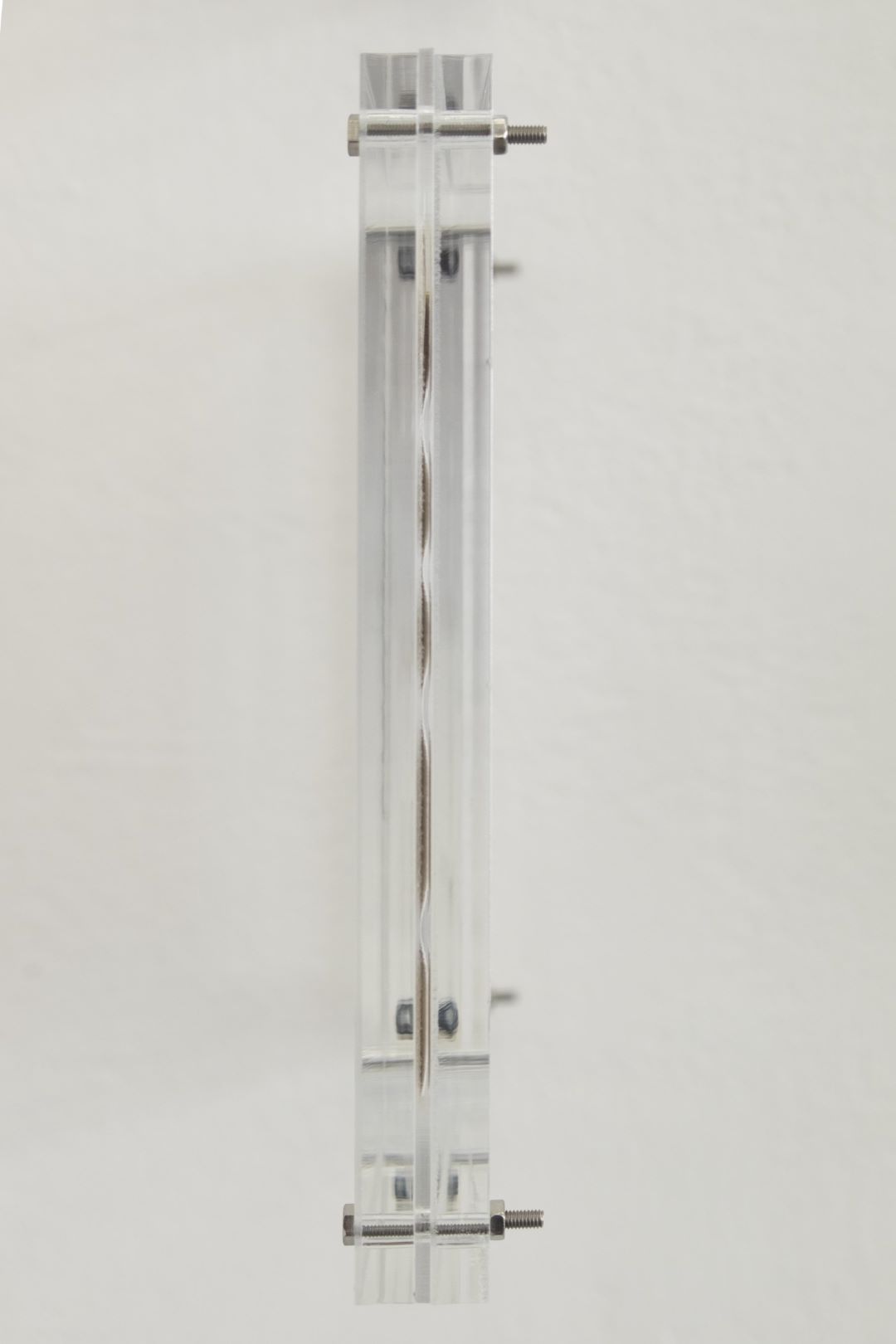
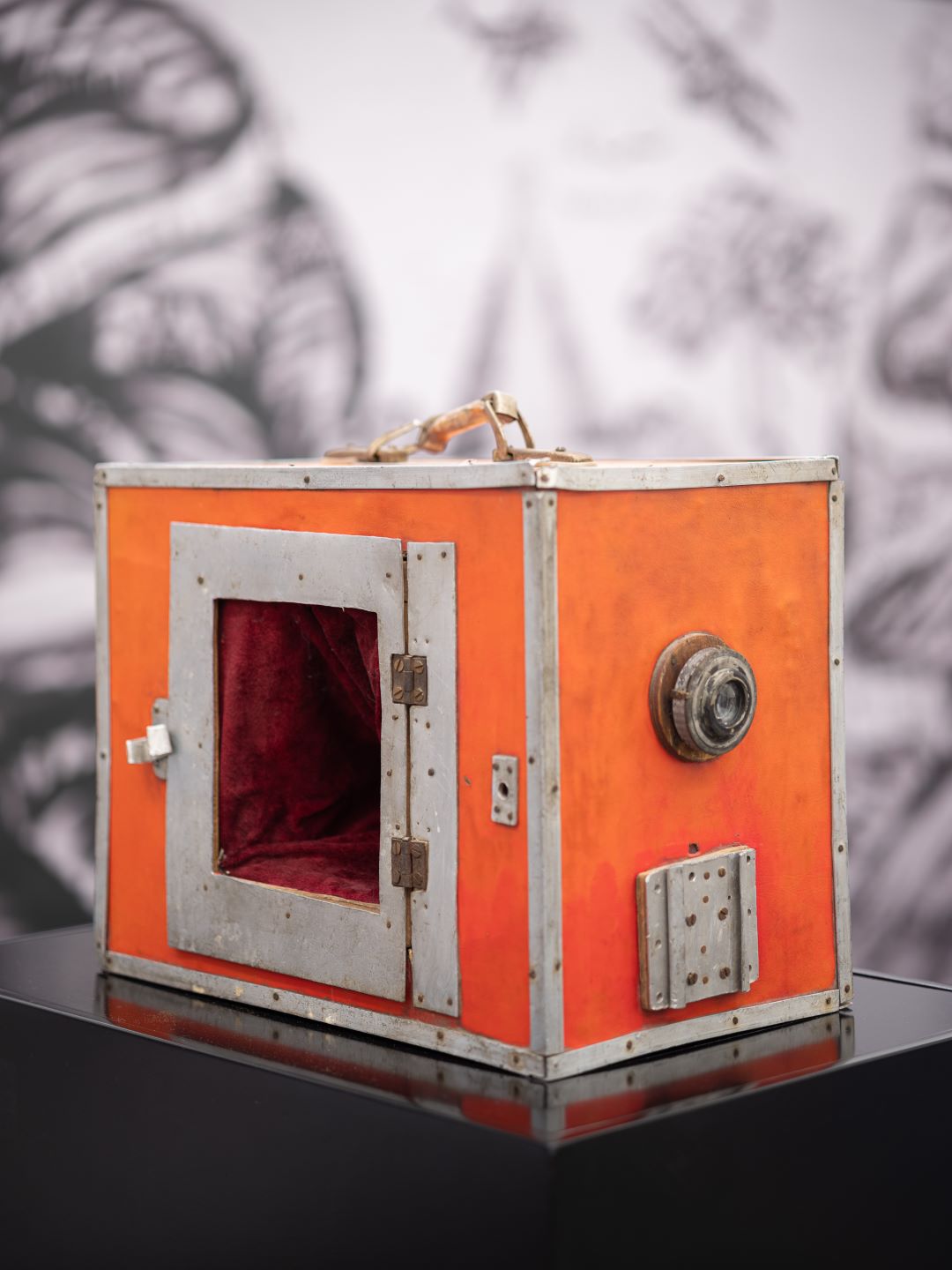
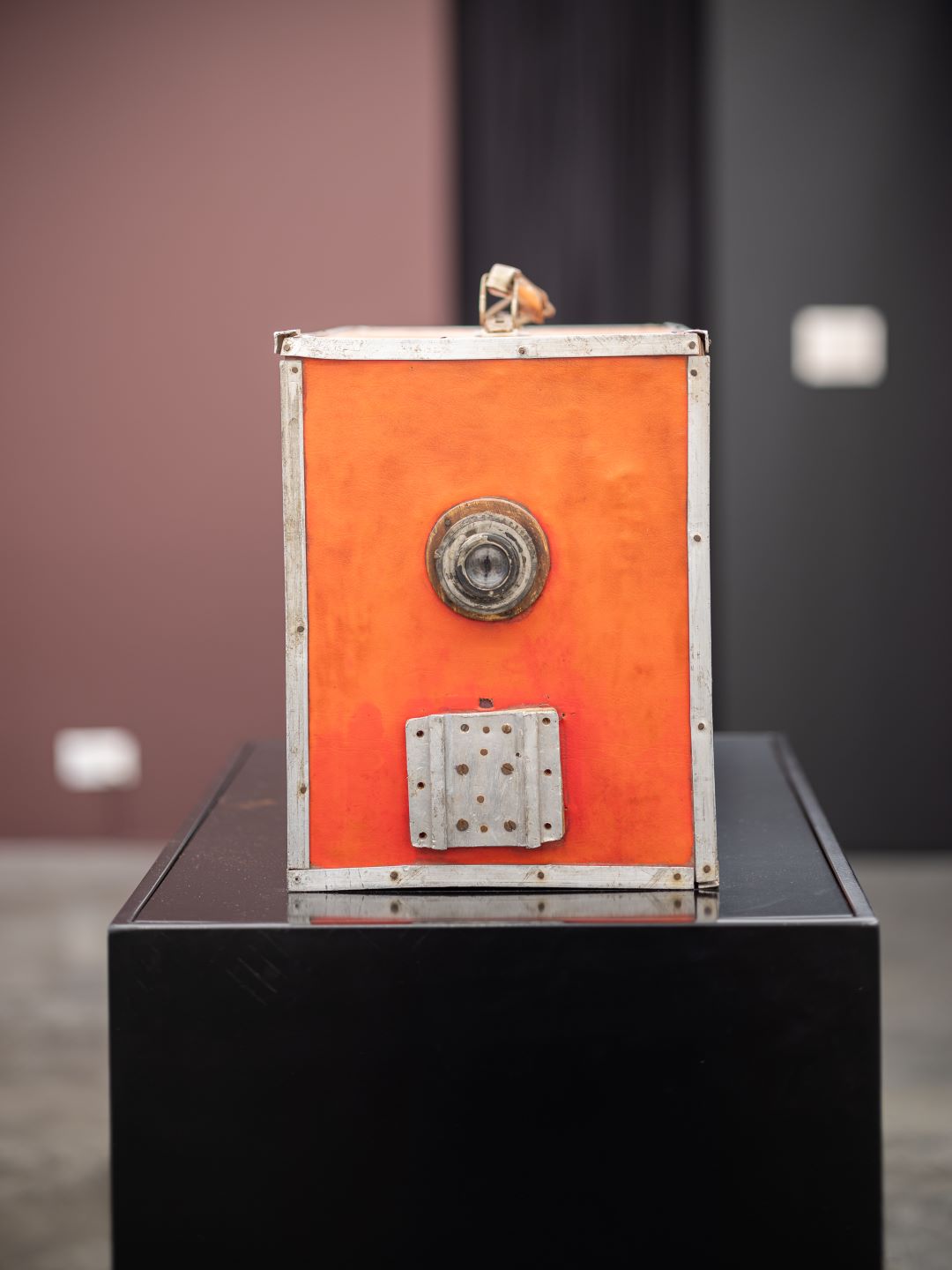
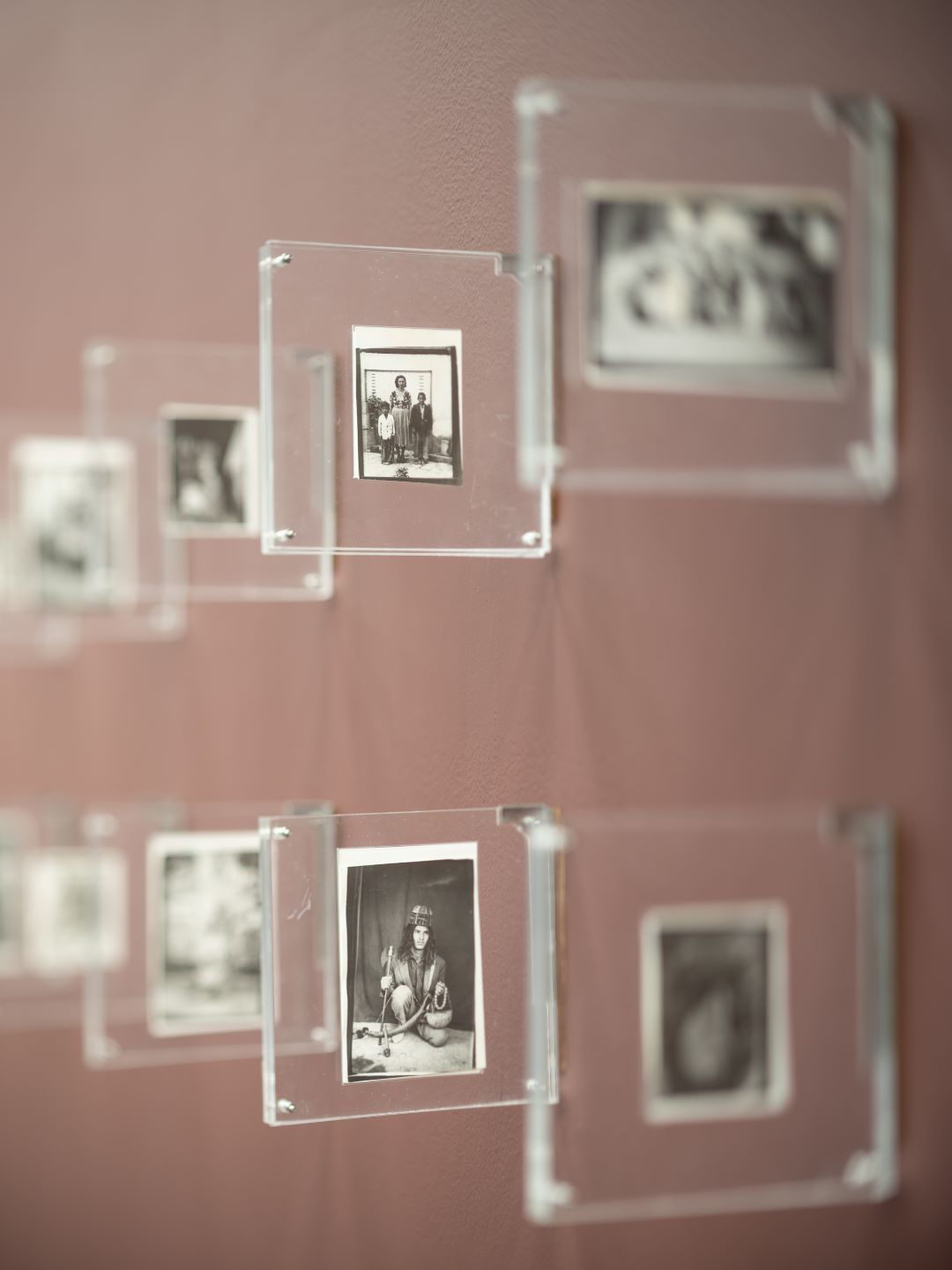
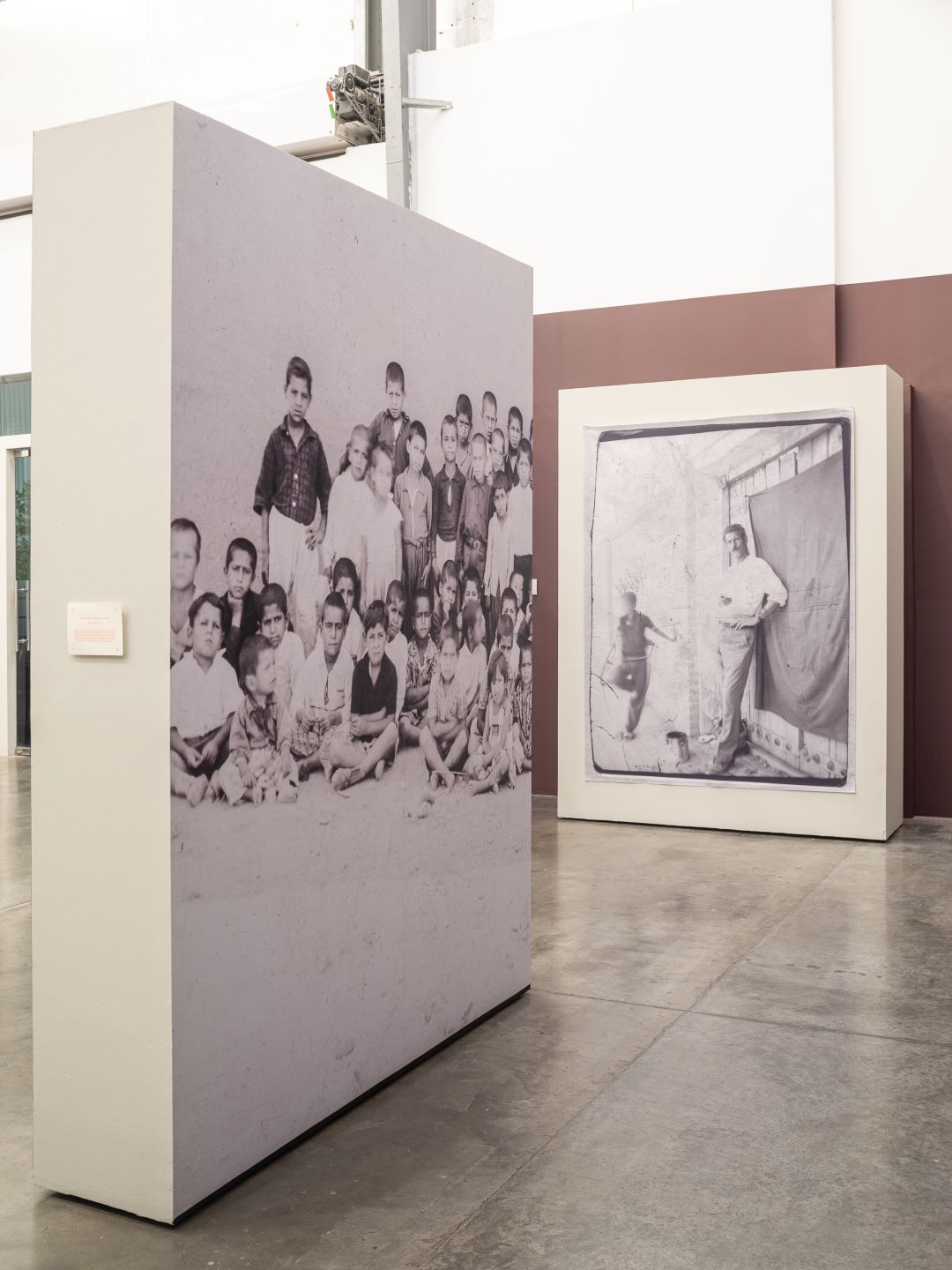
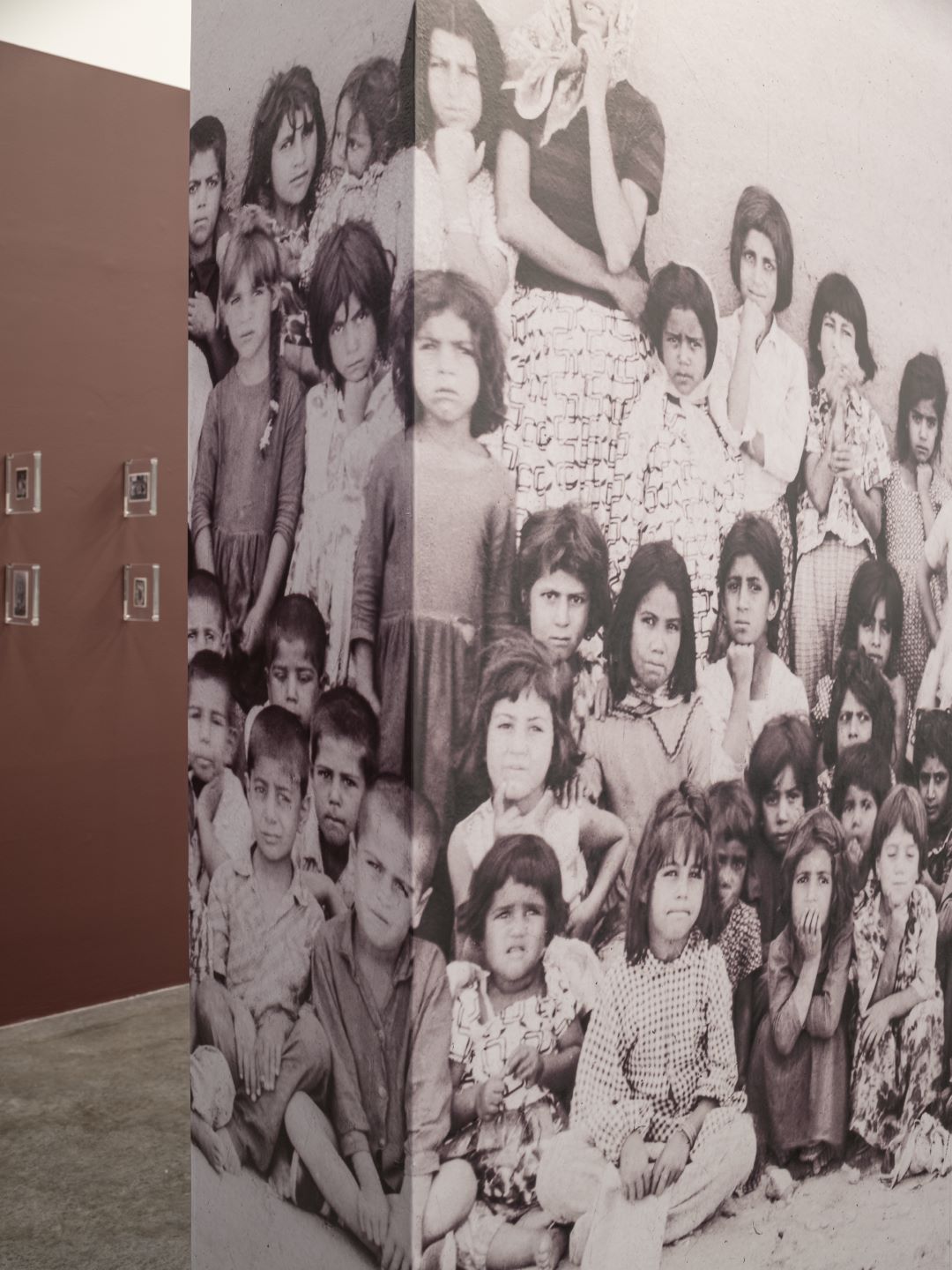
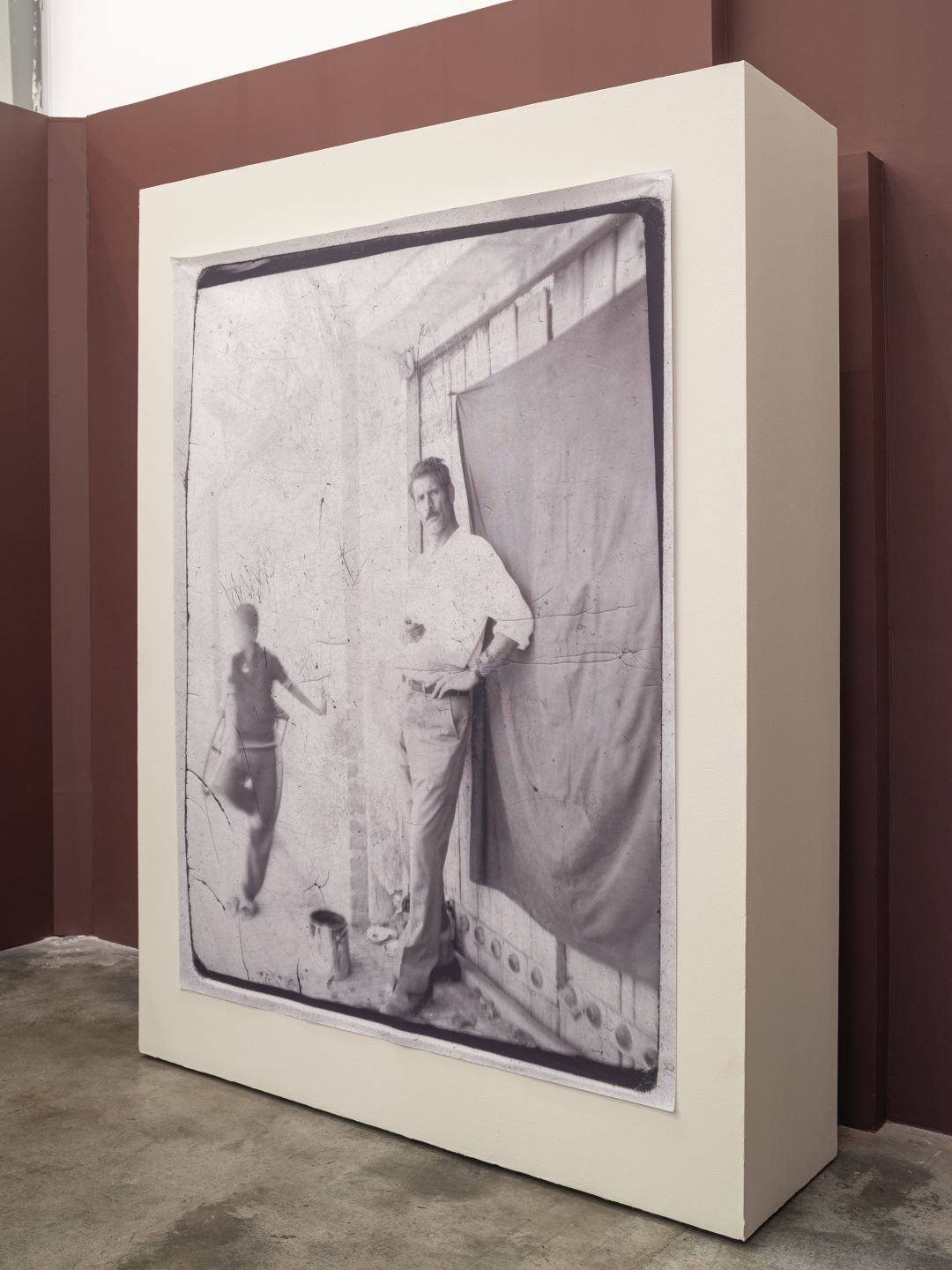
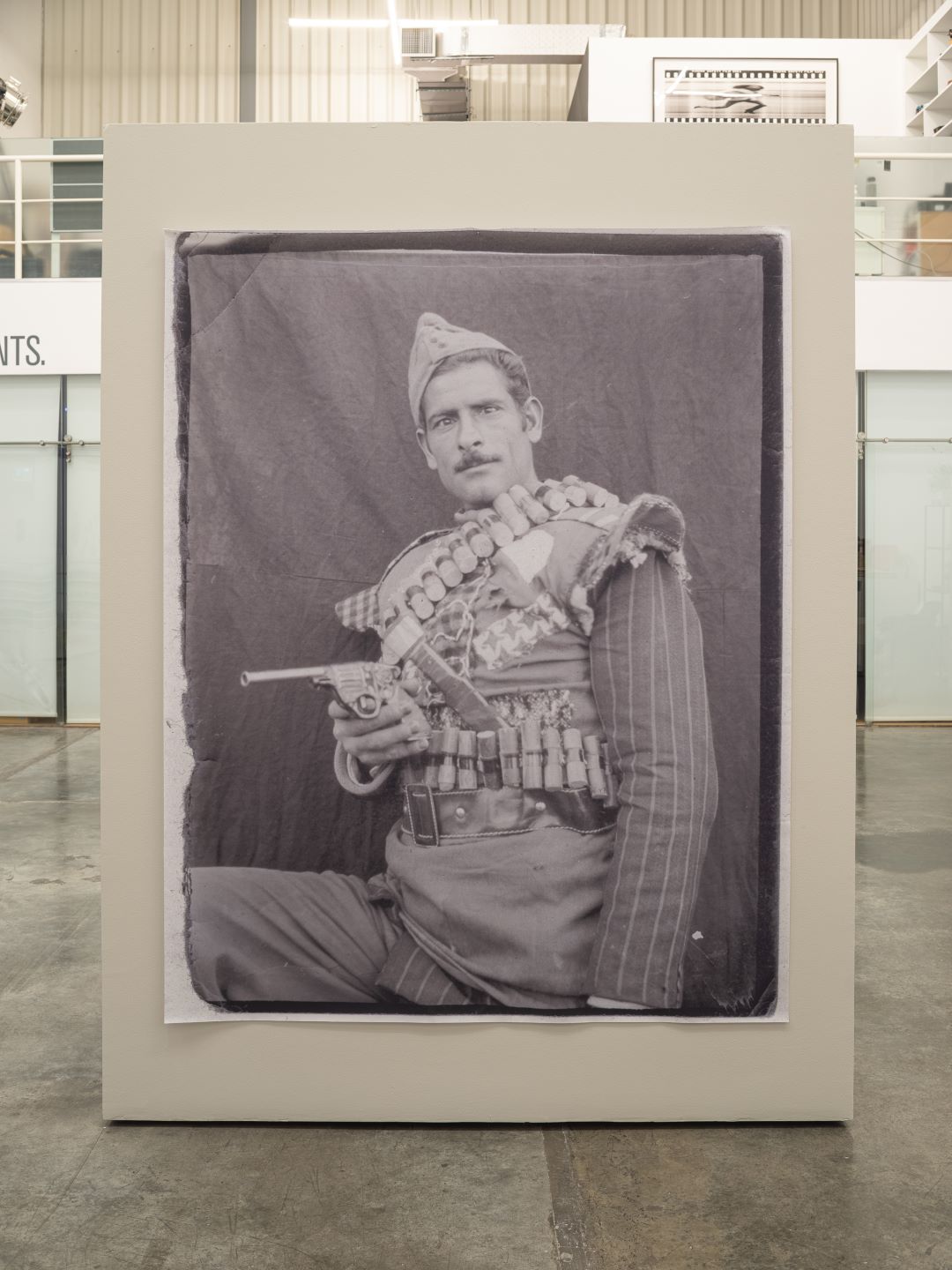
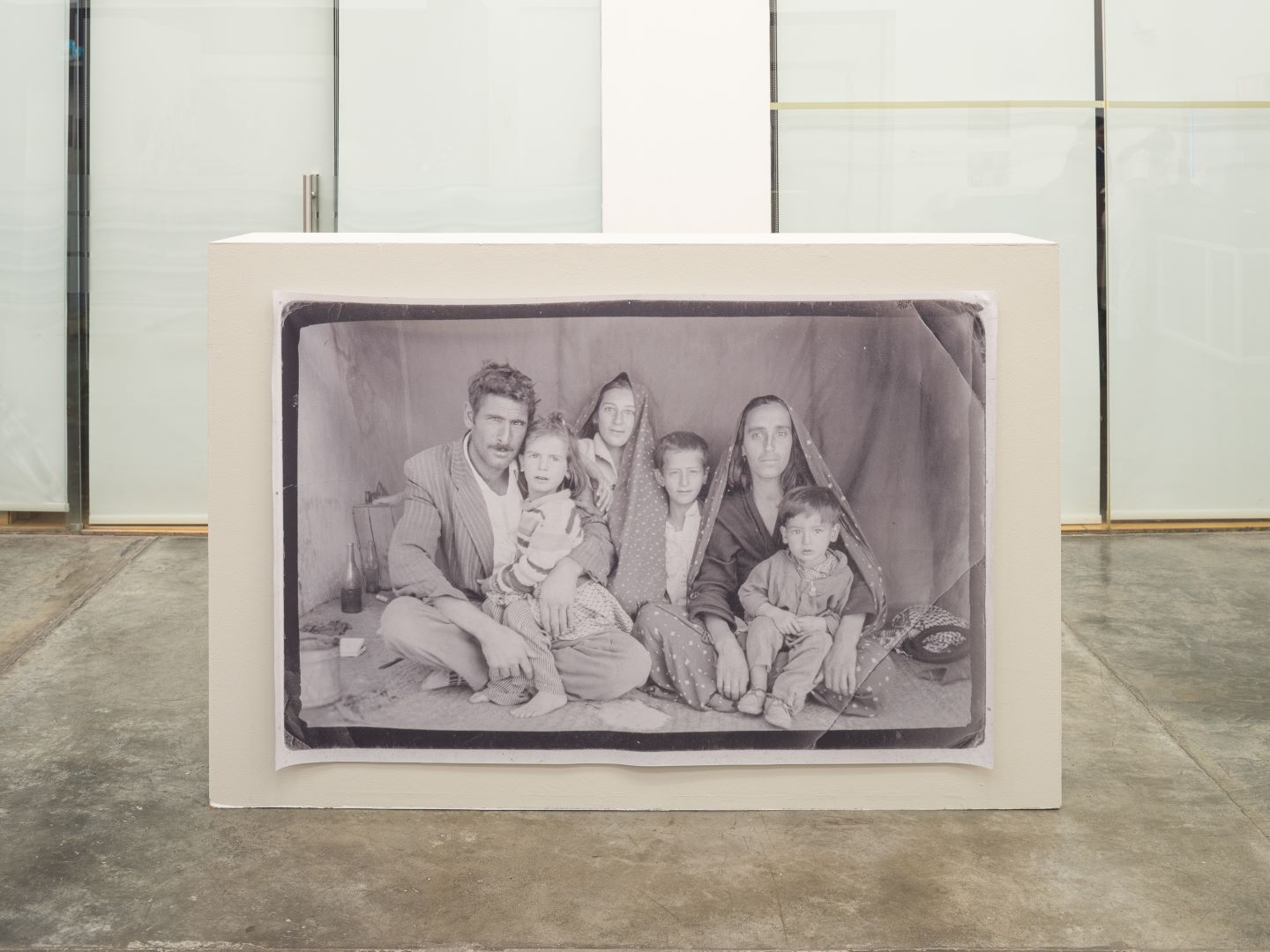
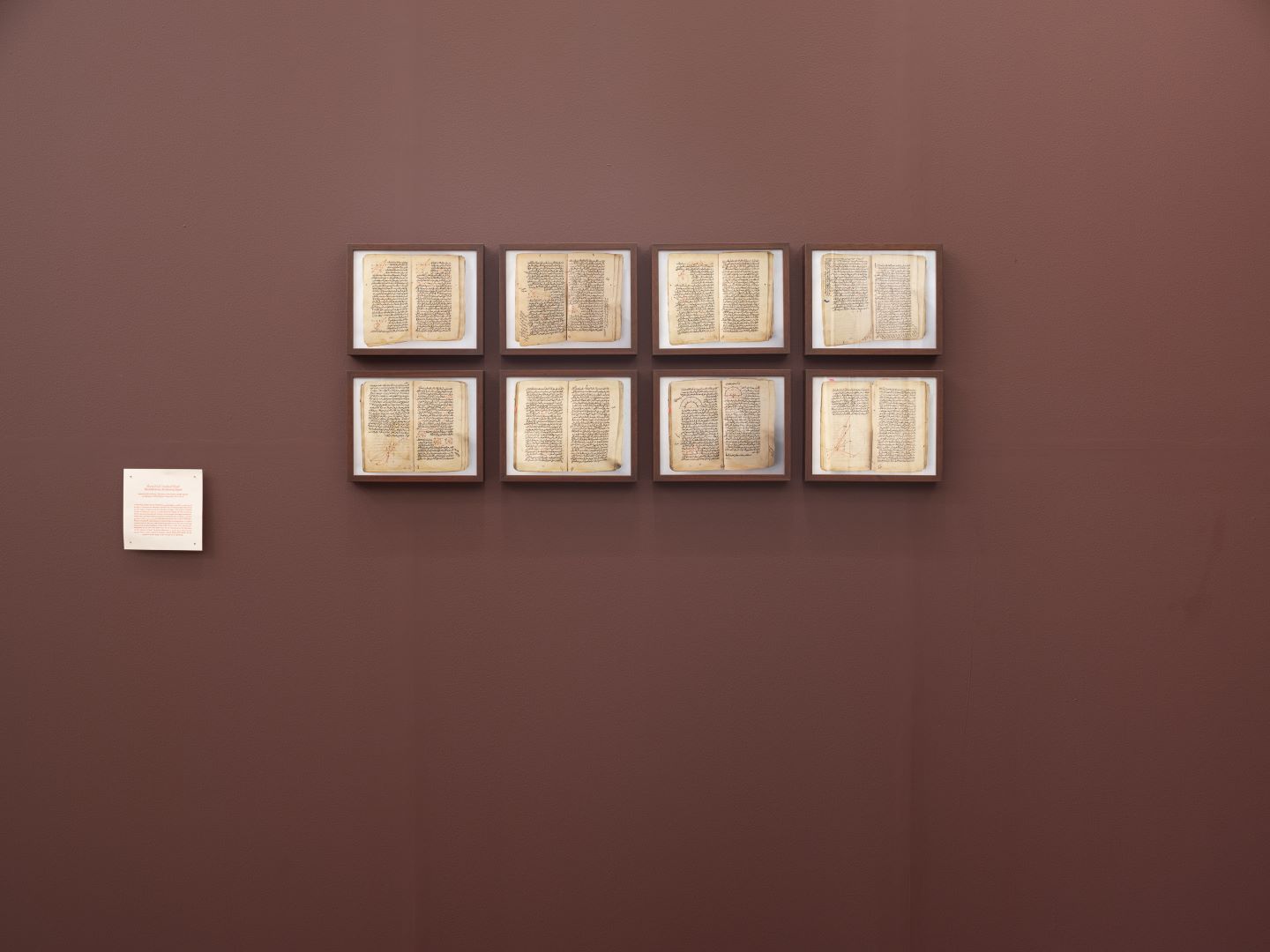
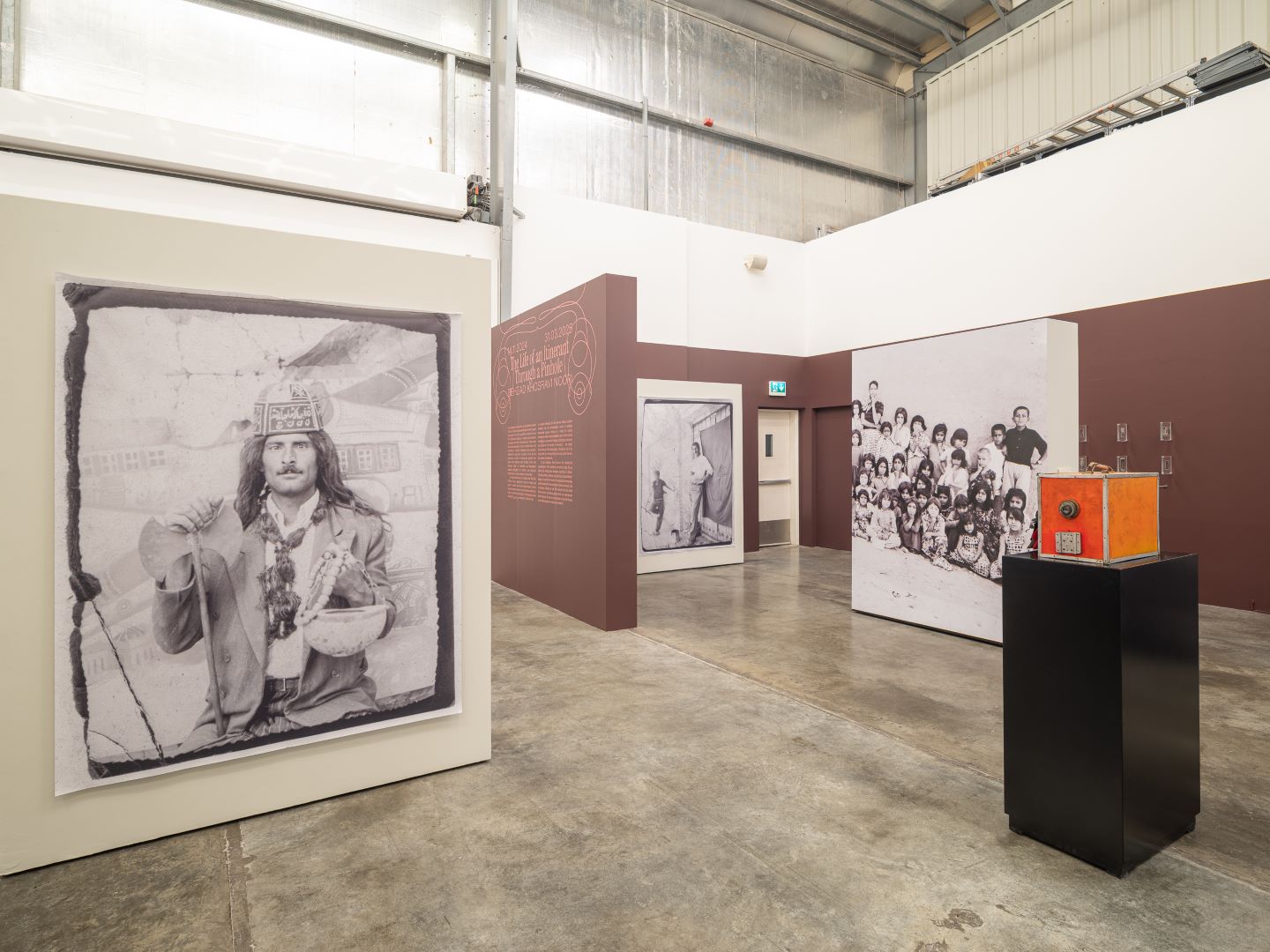
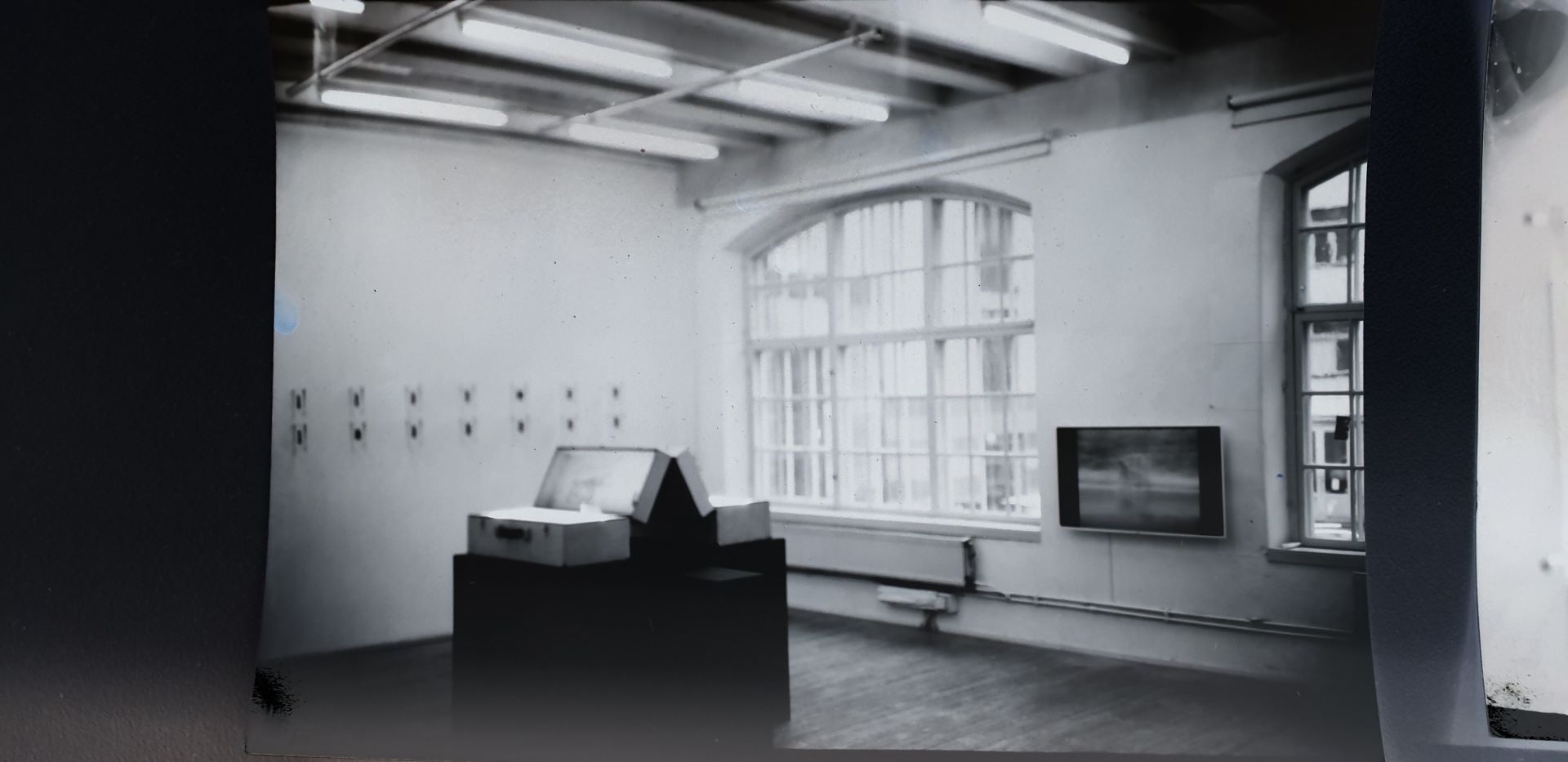
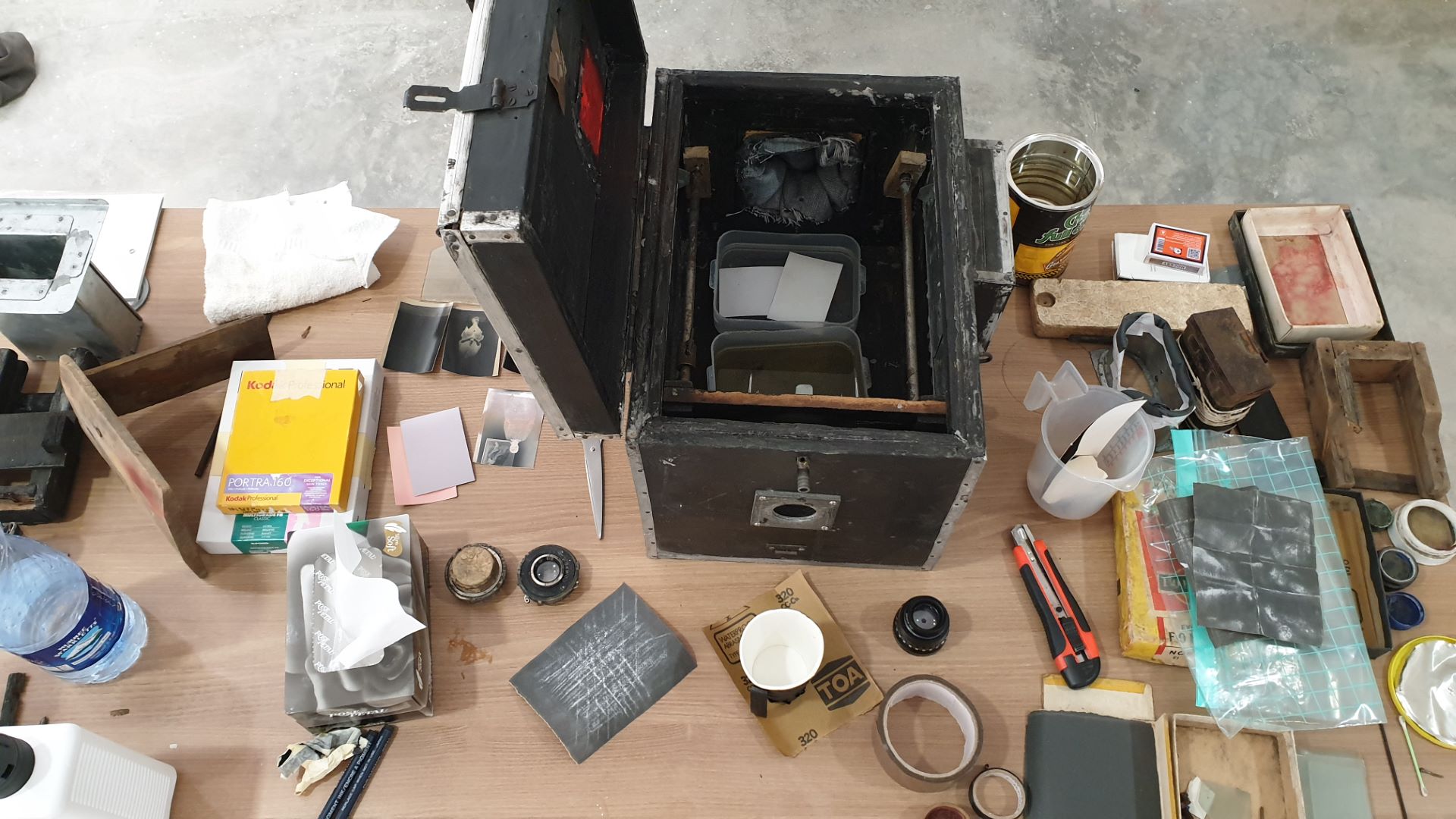
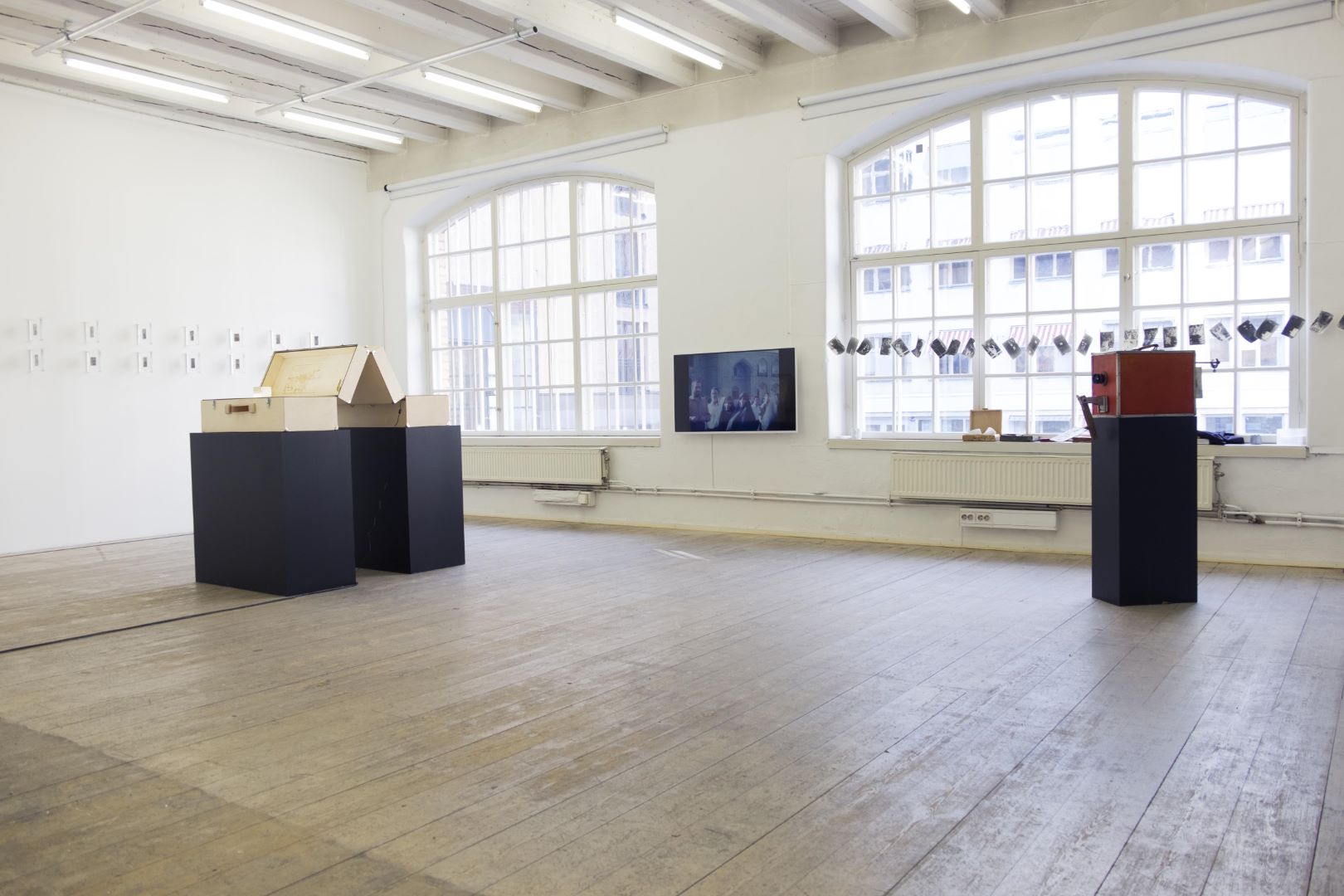
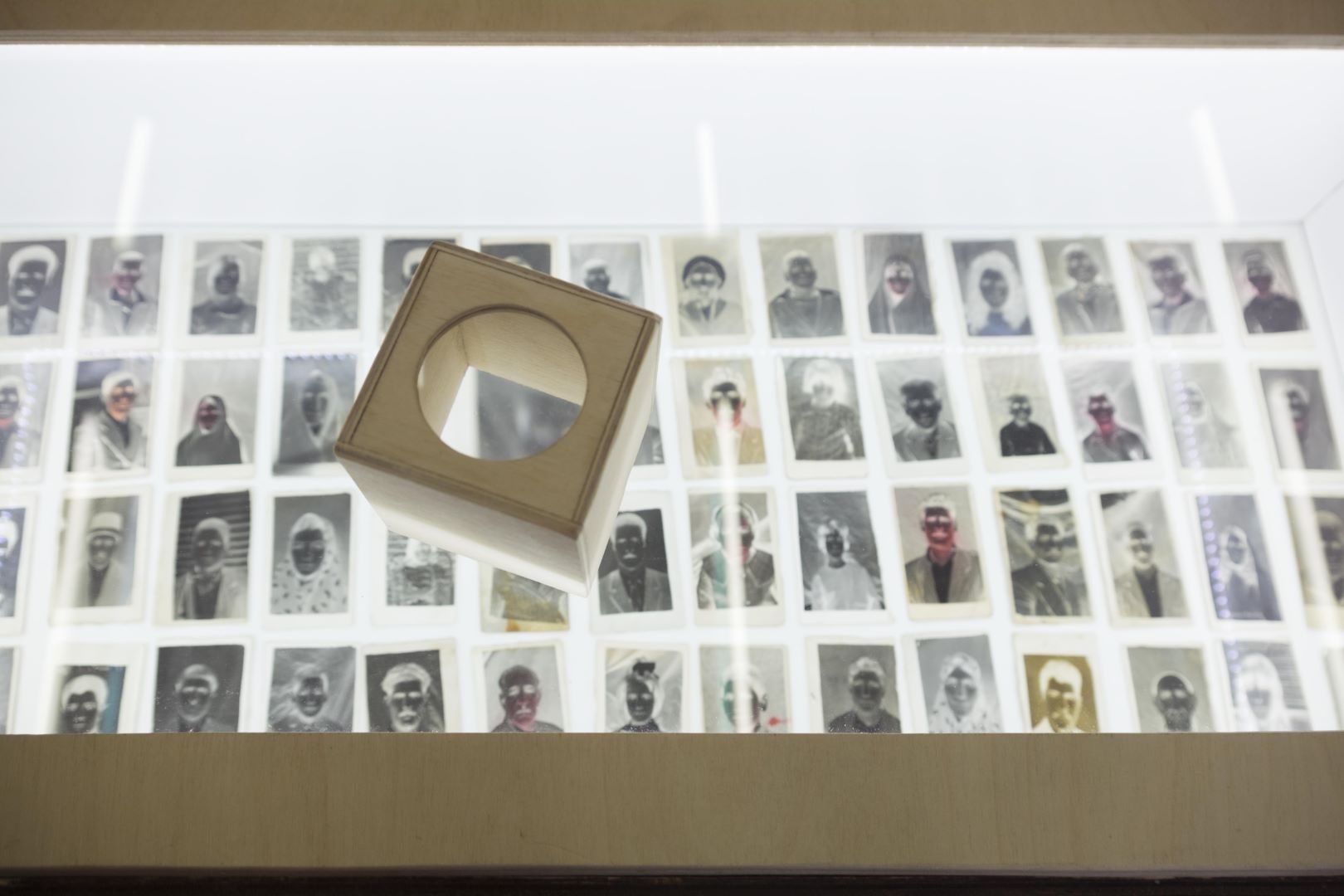
The Life of an Itinerant through a Pinhole undertakes a historical analysis of archival images produced by a working-class immigrant community in Tehran between 1956 and 1968, commenting on these artistic works and their exhibition and examining the relationships they reveal between class identity and the means of production. The images, captured by a local itinerant photographer, Gholamreza Amirbegi, reveal diverse subjects within the context of urban life in the southwest of Tehran at a time when the city had just seen a significant influx of working-class immigrants from the country’s smaller municipalities as well as the outcome of World War II and the ensuing economic devastation that accompanied the Anglo-Soviet occupation of Iran. It is the identities of this social group that predominate in his photographs. Only recently unearthed, the archive of images discloses the era’s shifting relationships between global and local subjectivities of image production. This project’s overlapping fragments illustrate these shifting relationships. In so doing, they introduce and reinforce the necessity of itinerancy, not simply that of the photographer, Gholamreza, but of the image itself as a global traveller, one that discloses histories of colonisation and their effects on today’s social and political conditions. This artistic autoethnography highlights the absence of representation of the subaltern in the realm of contemporary art in Iran and the modern Iranian nation-state’s attempts to construct a domestic “primitive” people as a foil to a Tehran-centric national culture. By re narrating the archival materials and thus re-signifying subaltern histories and dormant memories, It attempts to bring forward the stories embodied within this vagrant archive about social changes in contemporary Iran from below. Here, I explore possible correspondences between (and within) societies that share interconnected histories, taking into account cinema, traces of unconscious colonial memory, and proletarianism, as well as their underlying technologies of image production. It thus proposes a transformation of the merely historical interpretation of everyday perception—all too often taken for granted, into an archaeological one: that of the prestigious and valuable object. This approach begins with an excavation of a discovered archive in order to both unearth lost identities in these images and to displace them from sedimented historical positions. In so doing, the projcet addresses the question: What happens to the past when viewed from the vantage point of the future?