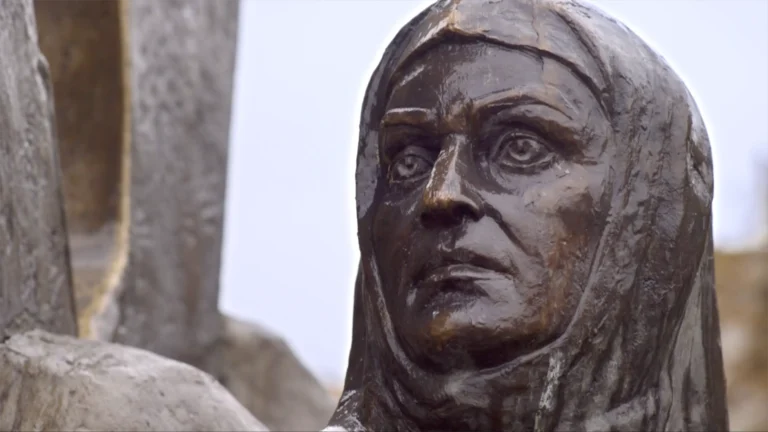
2015–ongoing
Site-specific monument series, sculptural installation, architectural models and drawings
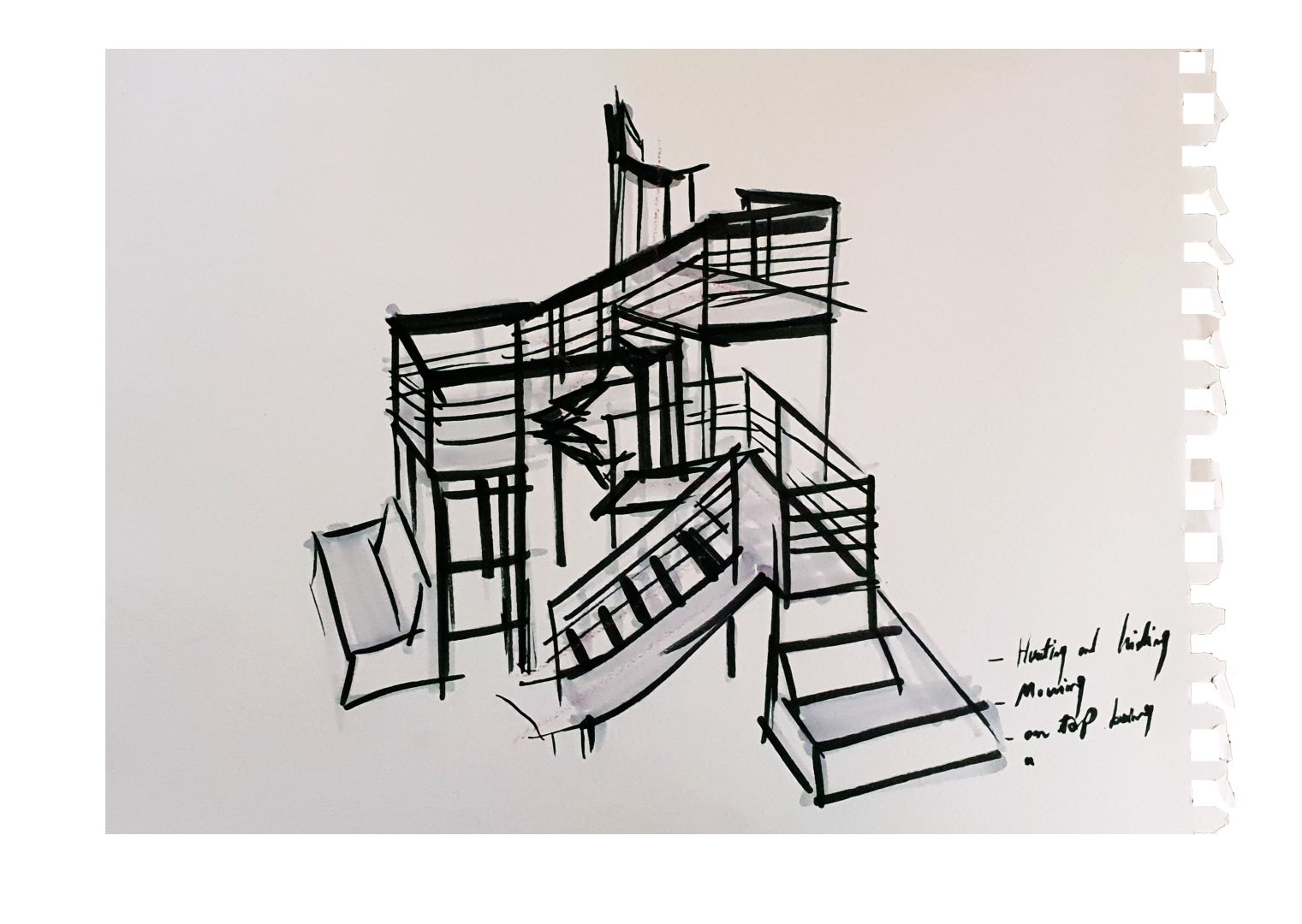
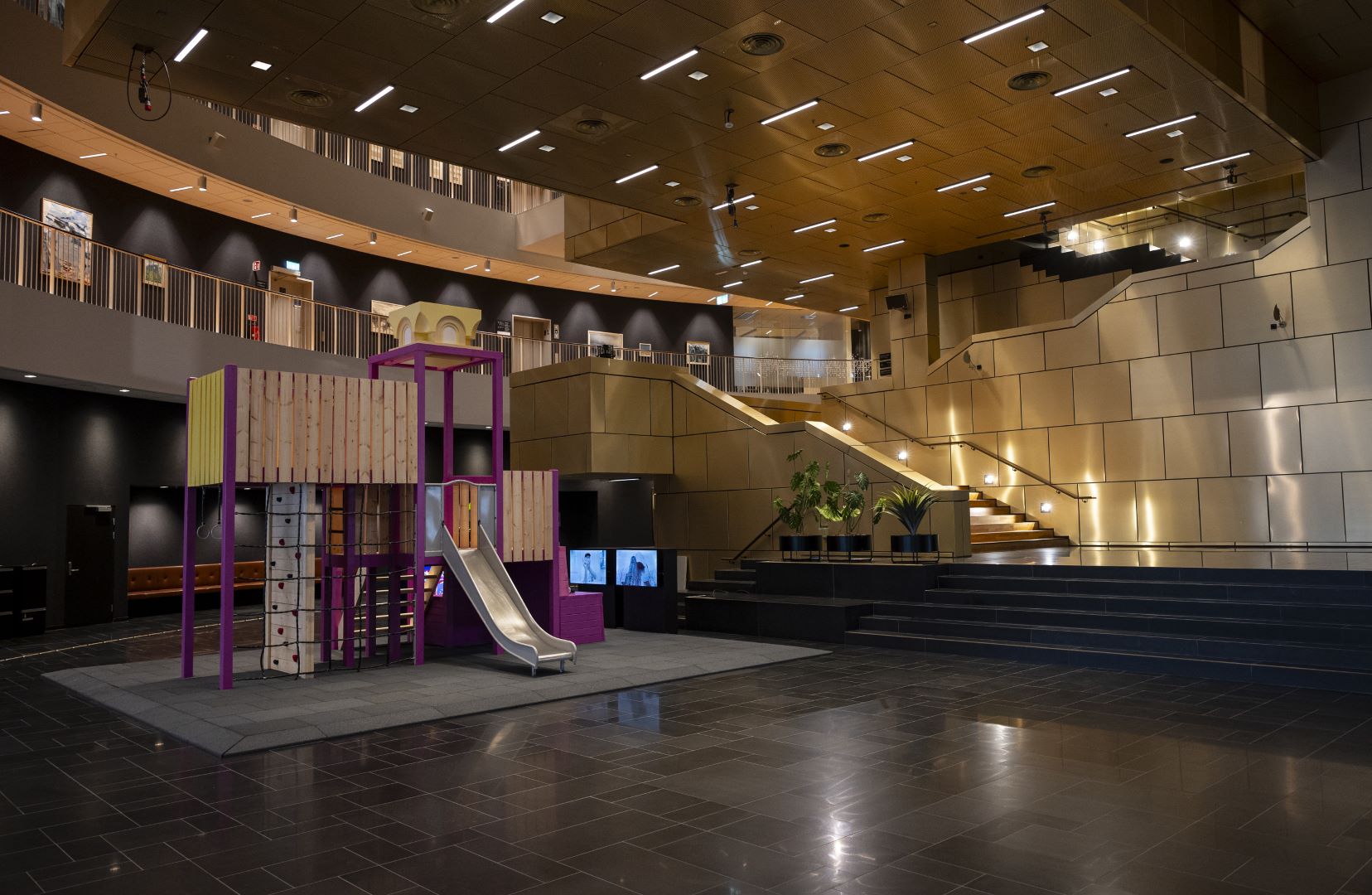
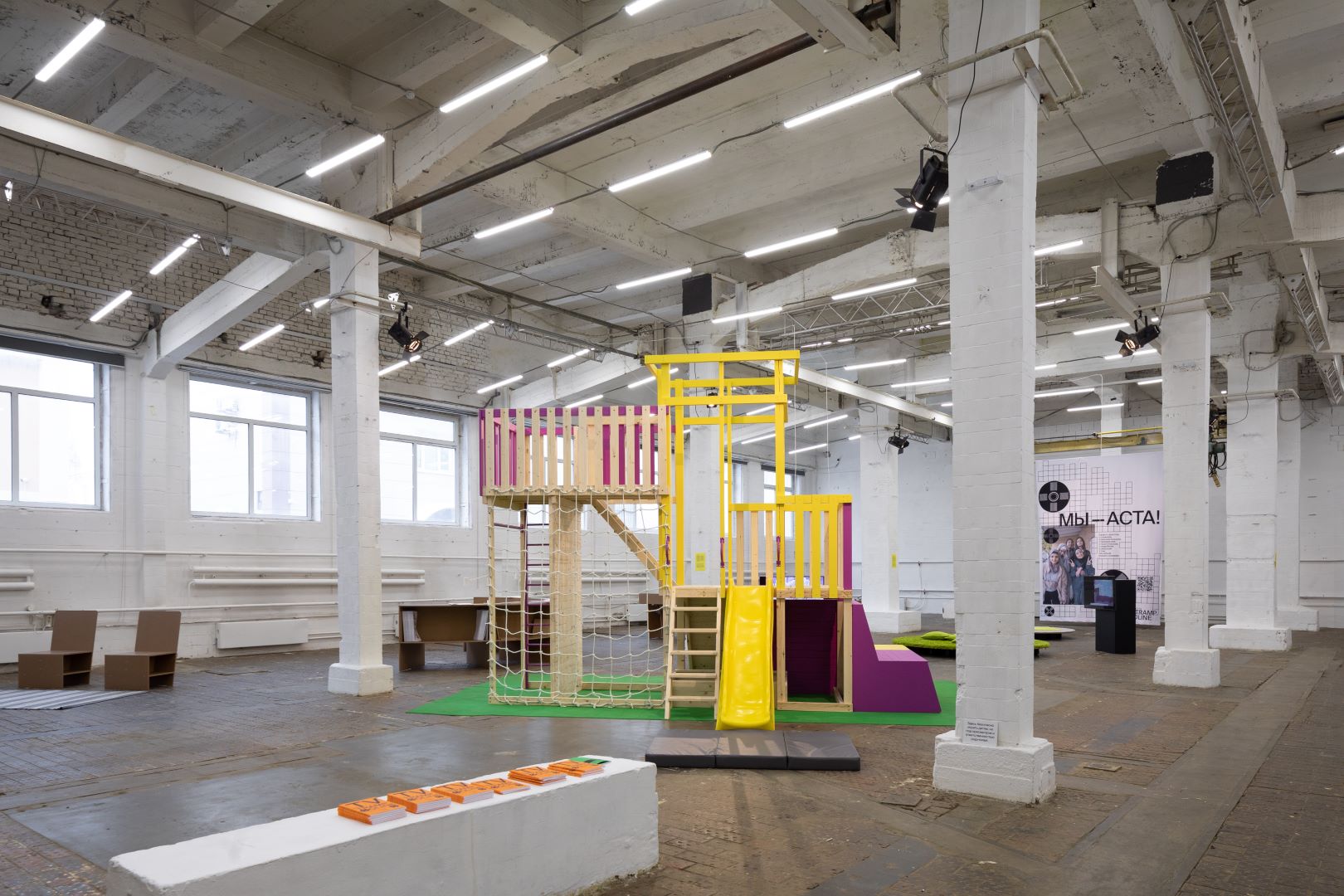
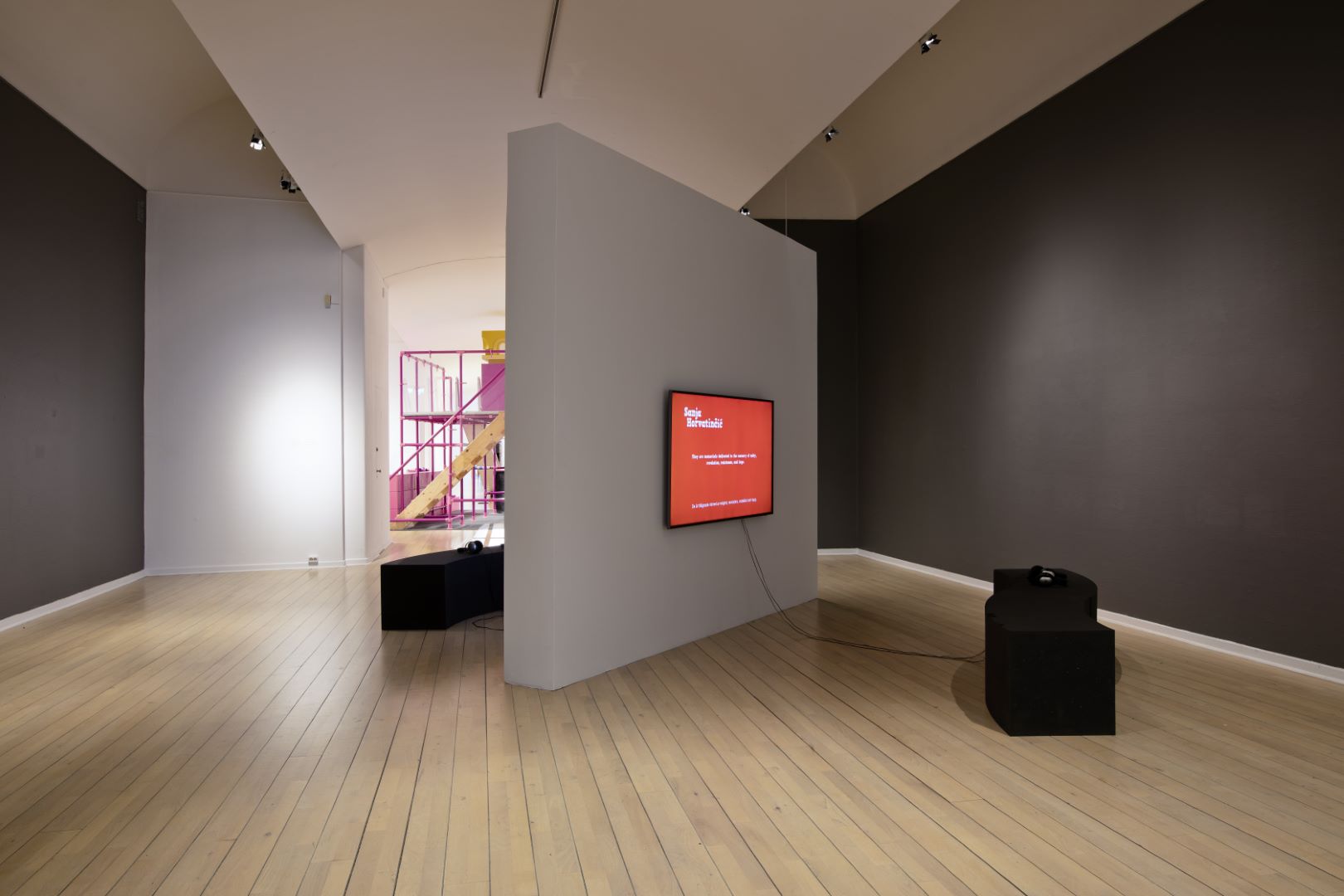
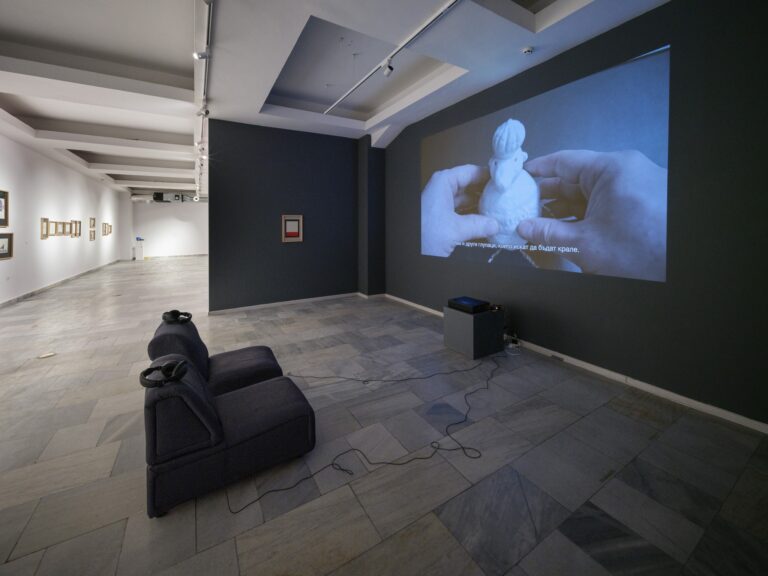
A Monument to an Invisible Citizen reimagines the monument as a place for play, gathering and unfinished forms of commemoration. The project began with Noori’s childhood encounter with Professor Balthazar, the animated series produced by Zagreb Film between 1967 and 1984. Its stories circulated internationally during the Cold War and formed part of a visual culture shaped by Yugoslav socialism and the Non-Aligned Movement.
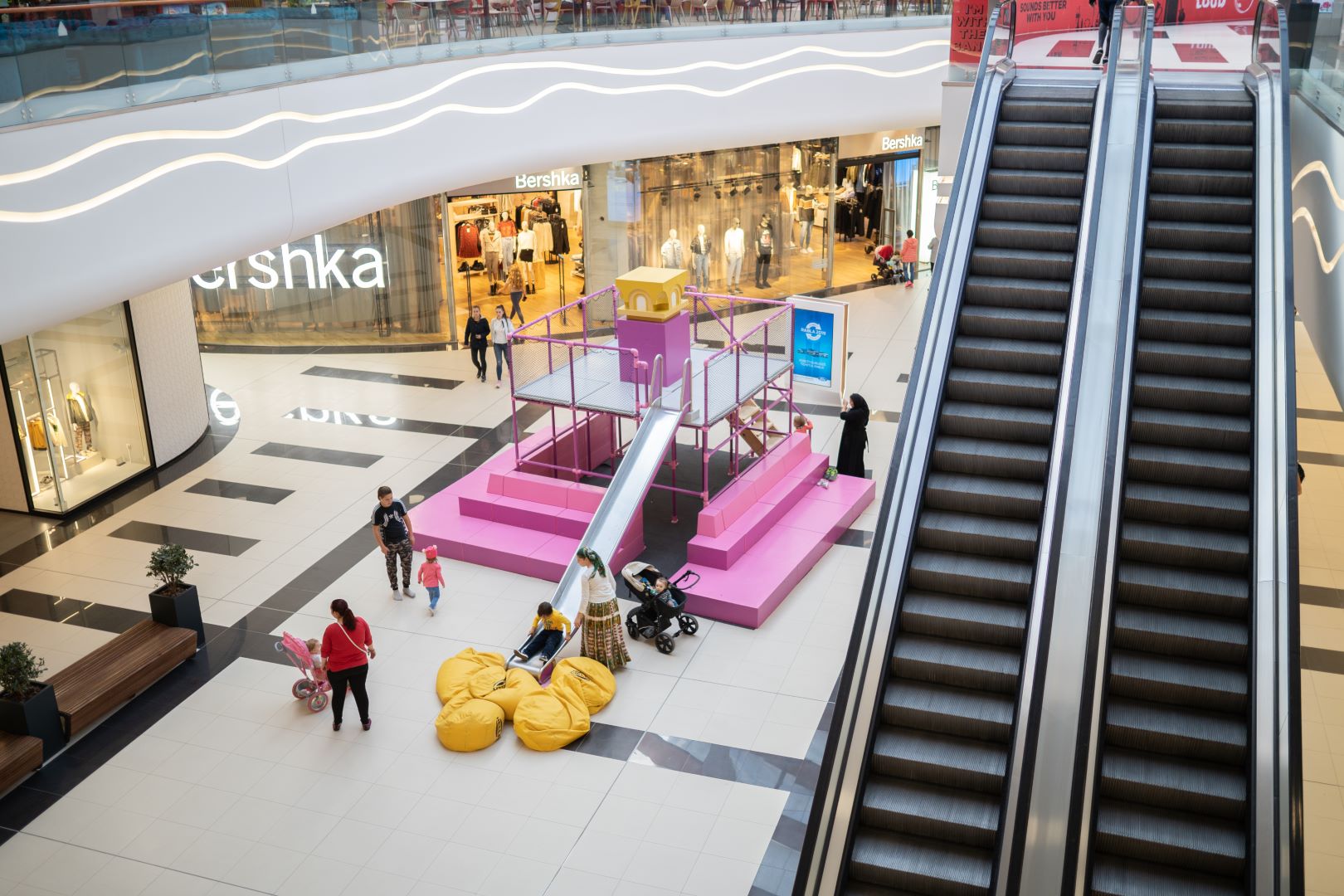
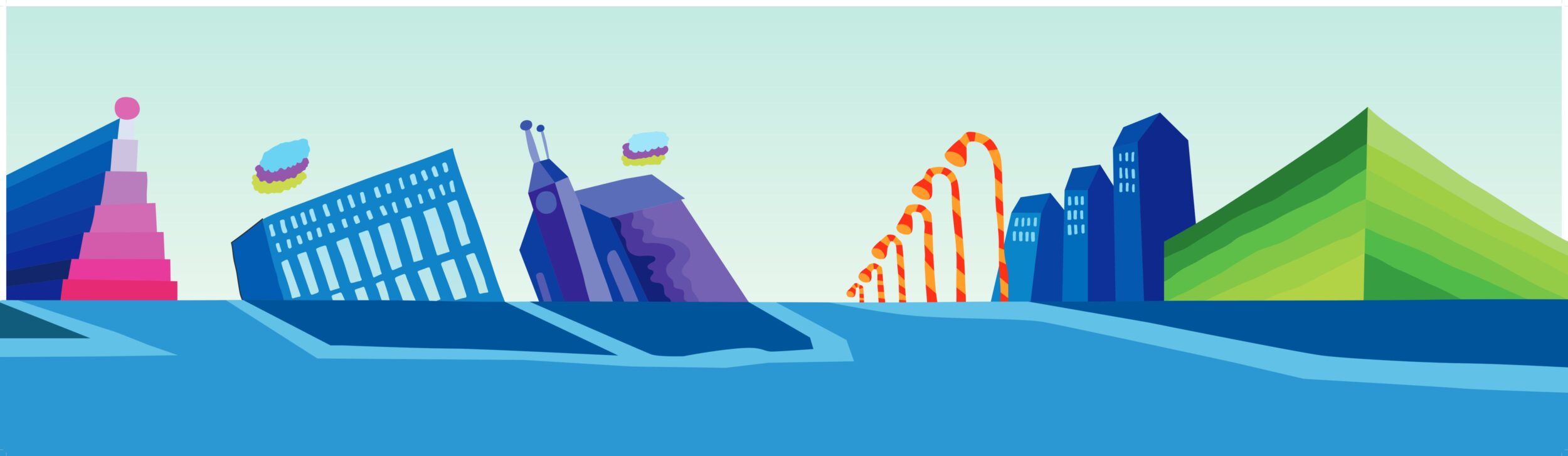
In one episode, an overlooked resident named Martin asks Professor Balthazar to help him escape his invisibility. When Martin later disappears, the townspeople realise that no one can remember what he looked like. The city responds by dedicating an empty plinth to him. Noori takes this unresolved monument as a point of departure. The absent figure is not reconstructed. Instead, the empty structure becomes an invitation to imagine who enters public memory, who remains unseen and how commemoration might create a social space rather than fix a single historical image.
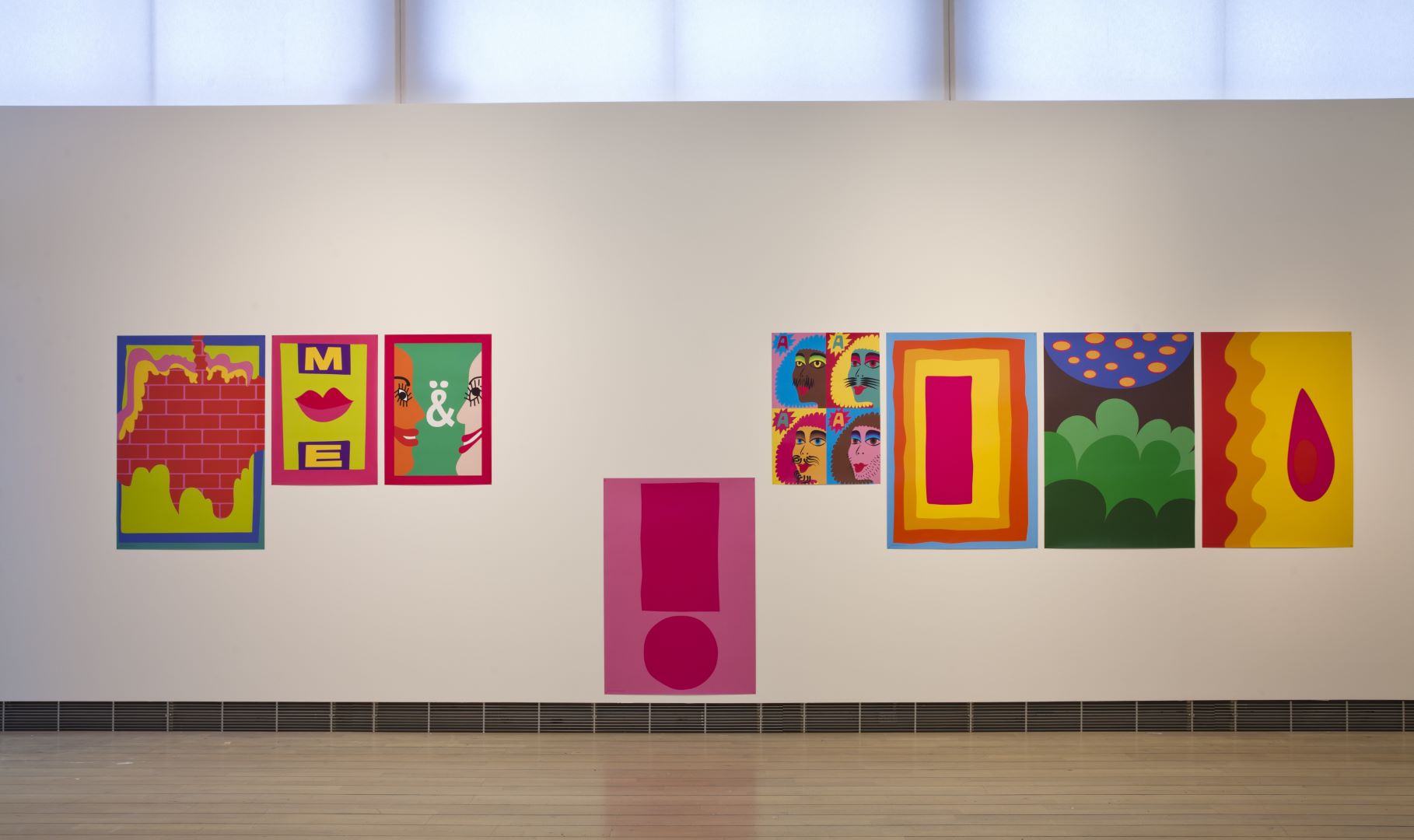
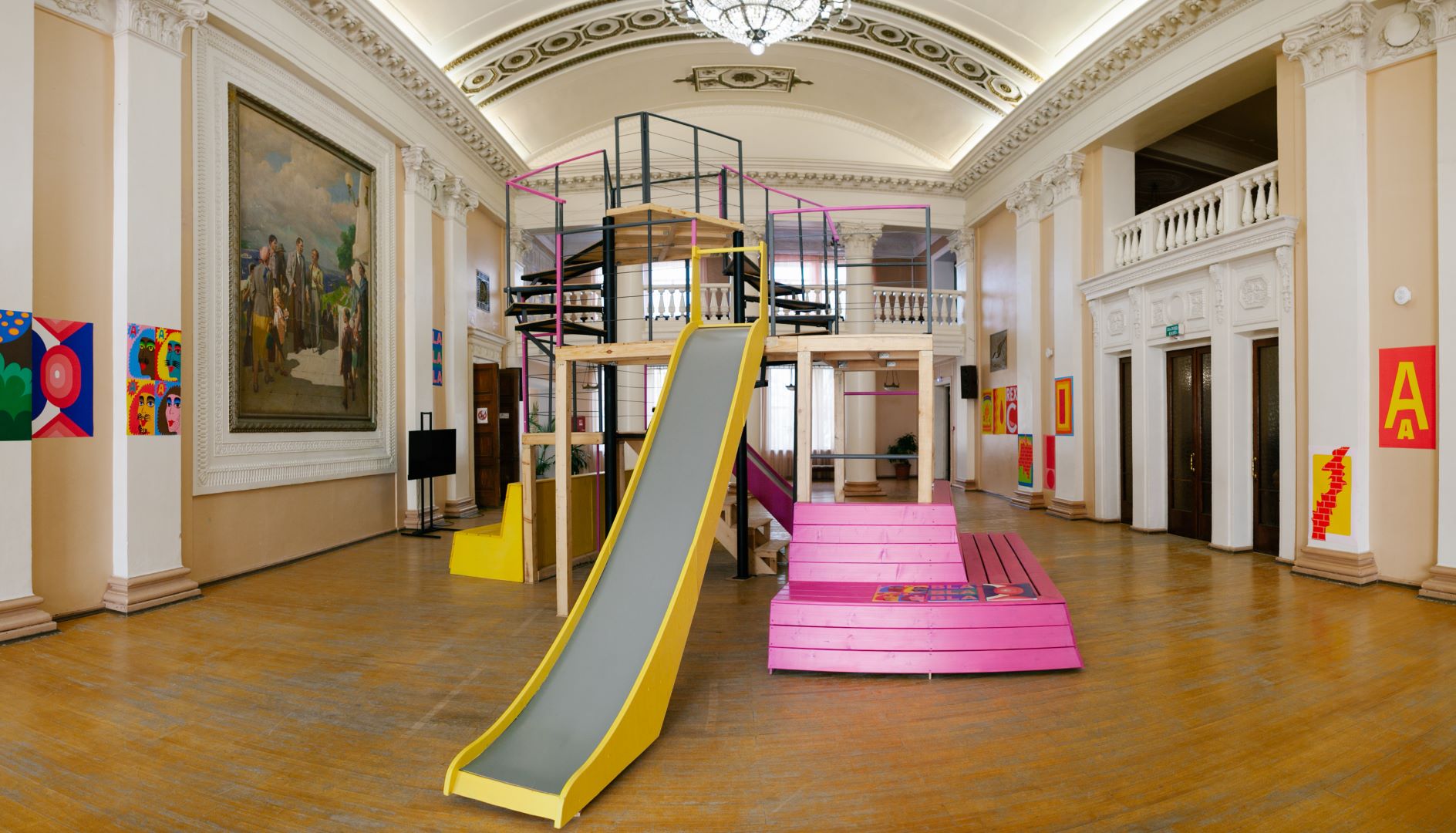
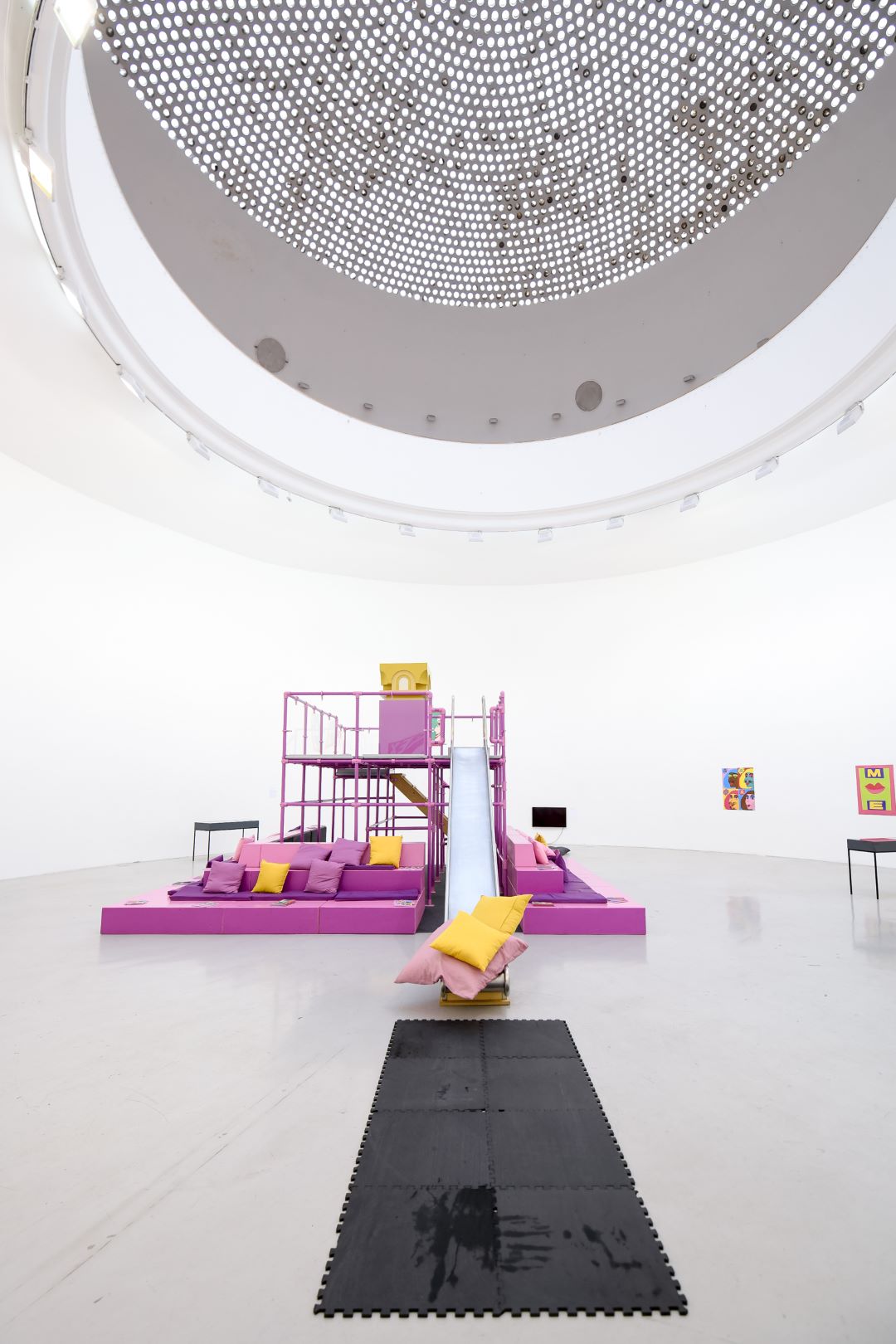
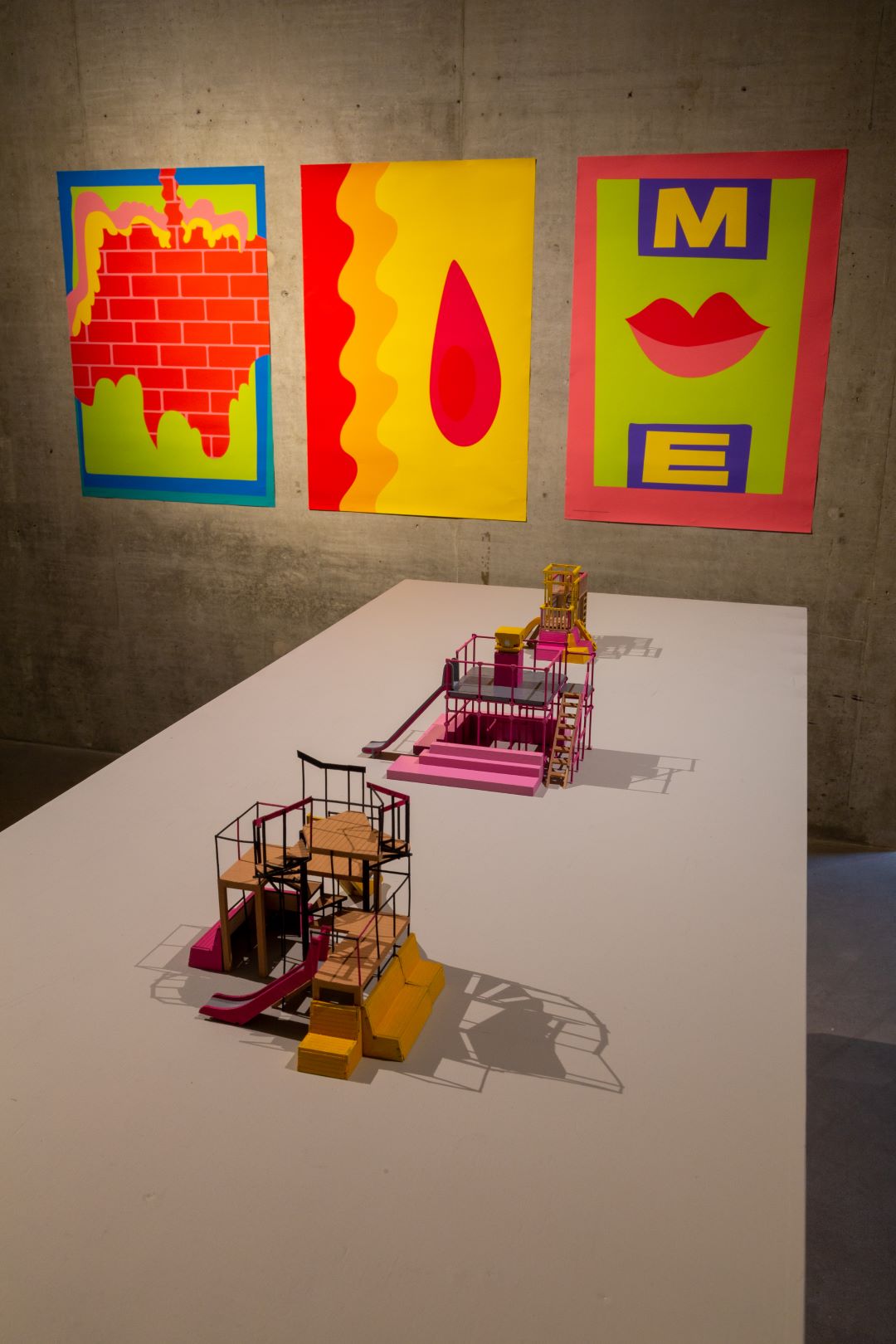
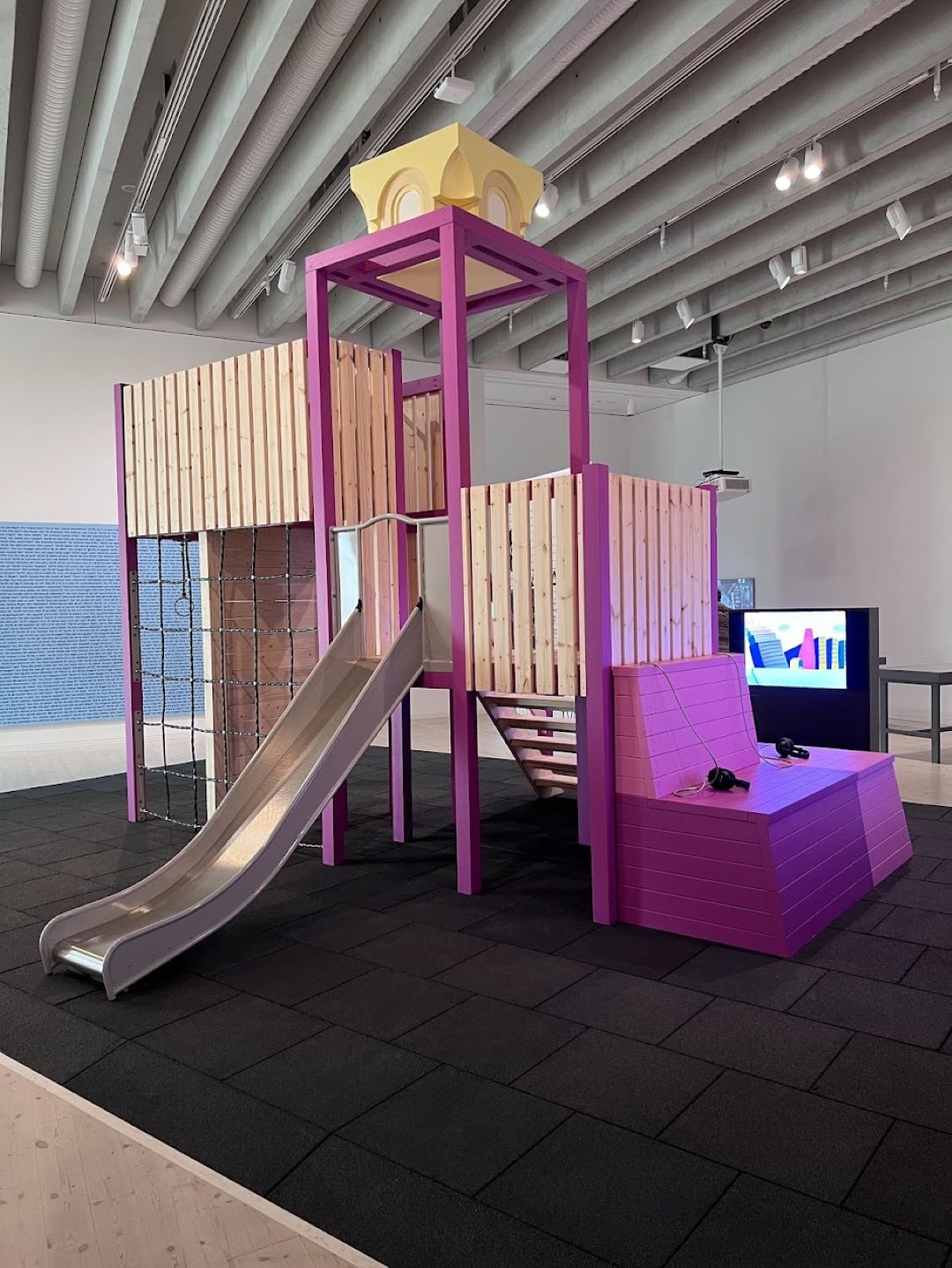
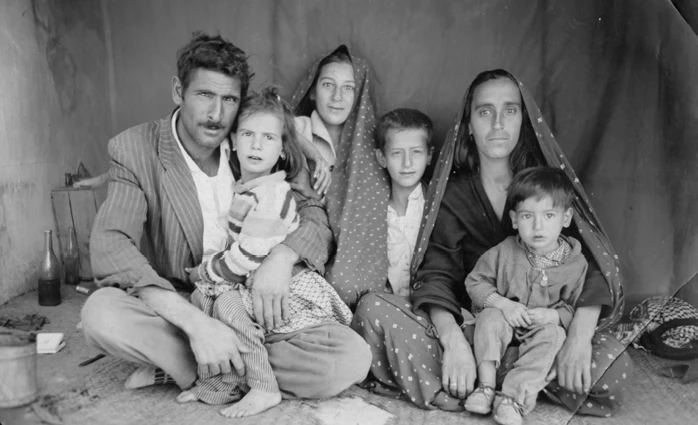
Each version is developed in relation to its location. The installations combine the visual language of monuments with the scale and openness of a playground. In Asbest, the project brought Professor Balthazar into dialogue with Moisei Ginzburg’s constructivist thinking about collective life and play. Other iterations have connected childhood memory, exile, Yugoslav animation and the transnational circulation of political imagination.
Selected presentations
- Marabouparken Konsthall, Sundbyberg, 2018
- Kalmar Konstmuseum, 2018
- Malmö Konstmuseum, 2019
- Art Encounters Biennial, Timișoara, 2019
- Meštrović Pavilion, Croatian Association of Fine Artists (HDLU), Zagreb, 2020
- Ural Industrial Biennale, Asbest
- CCI Fabrika, Moscow, 2021
- Bildmuseet, Umeå, 2022
- Konstmuseet i Norr, Kiruna, 2023
- Norrtälje Konsthall, 2023
Three architectural models refer to monument proposals for Zagreb, Khabarovsk and Moscow. Across these forms, the work treats the monument as a narrative and social object: a structure that can hold absence, invite use and keep its meaning open.