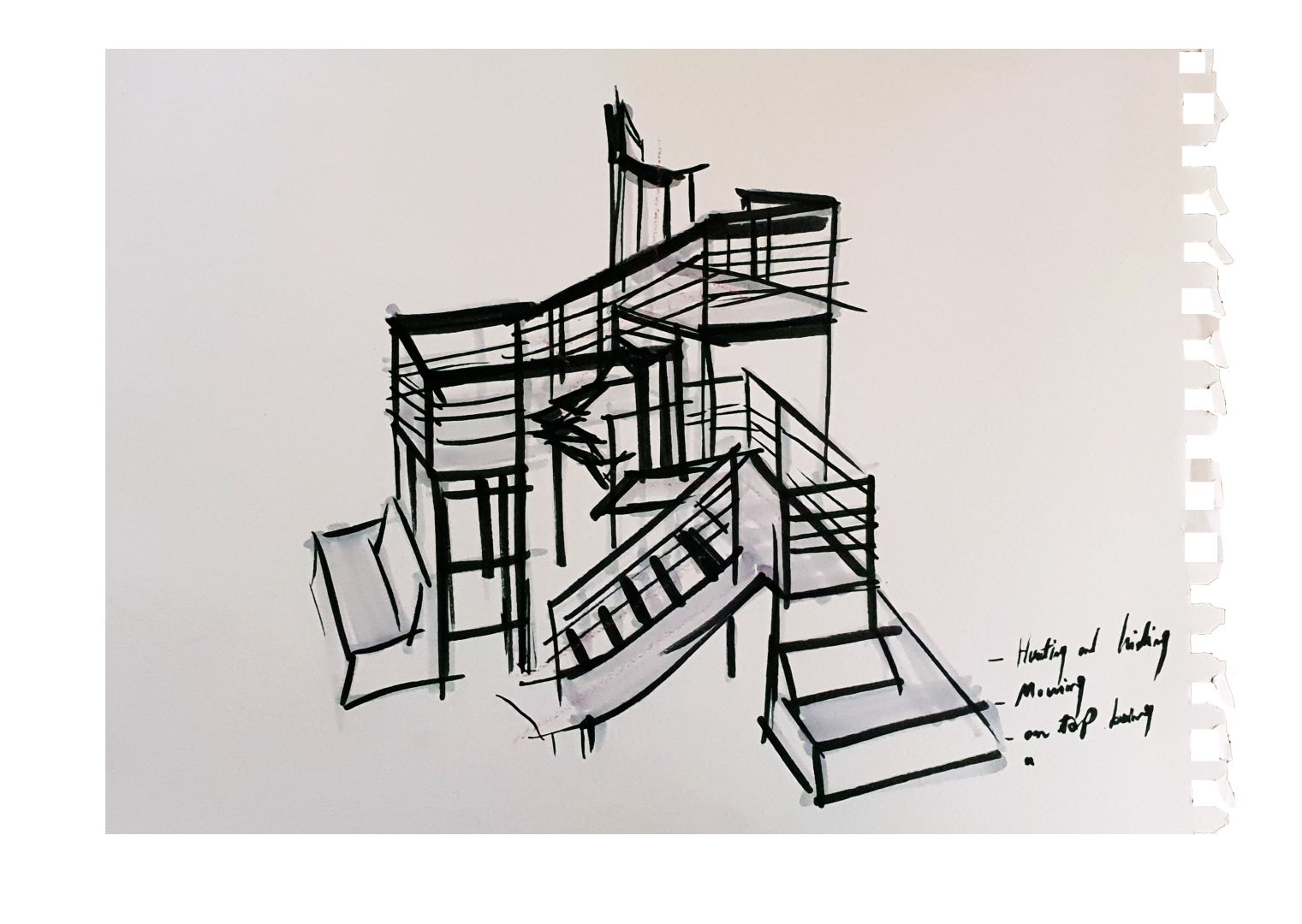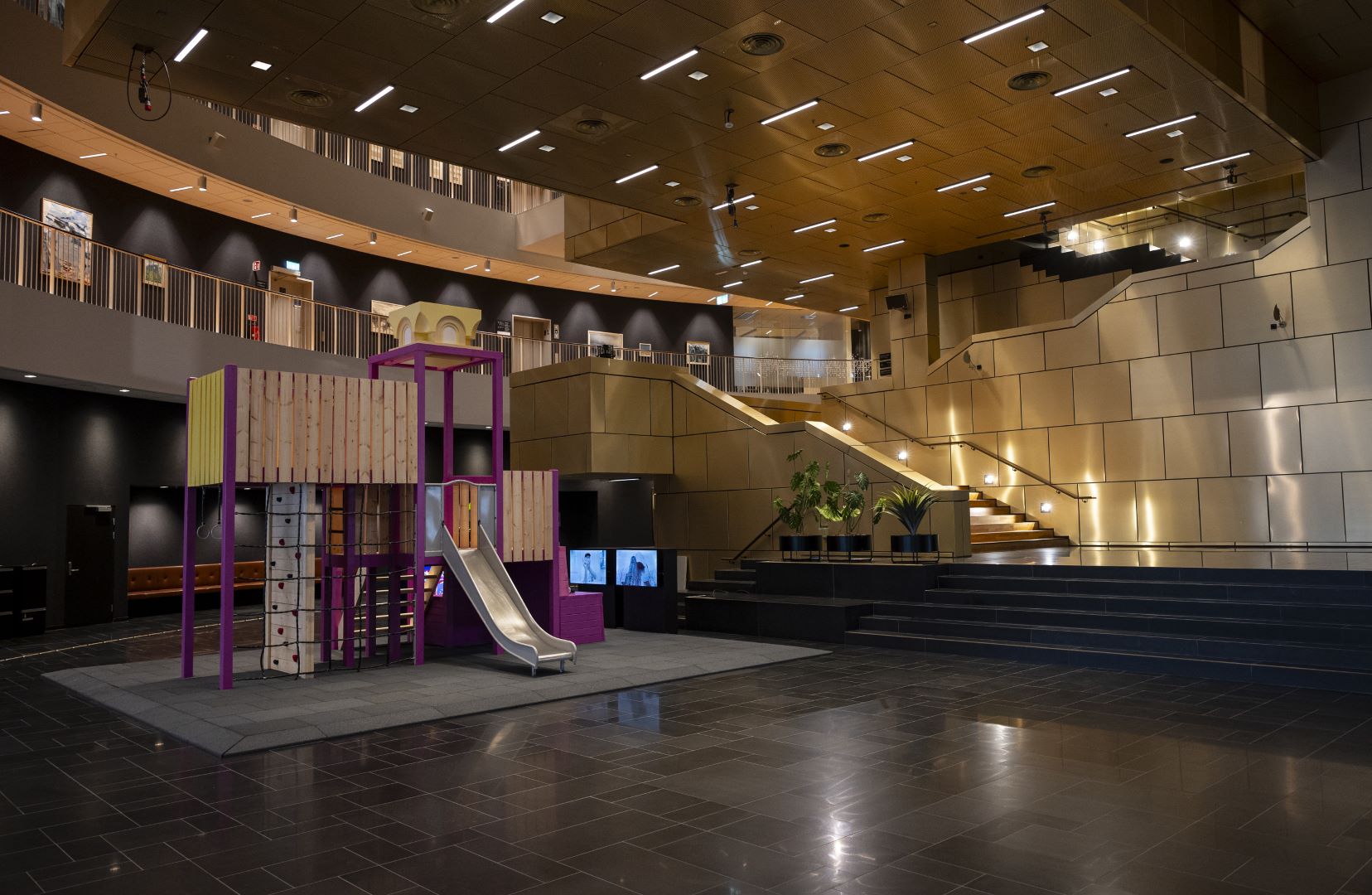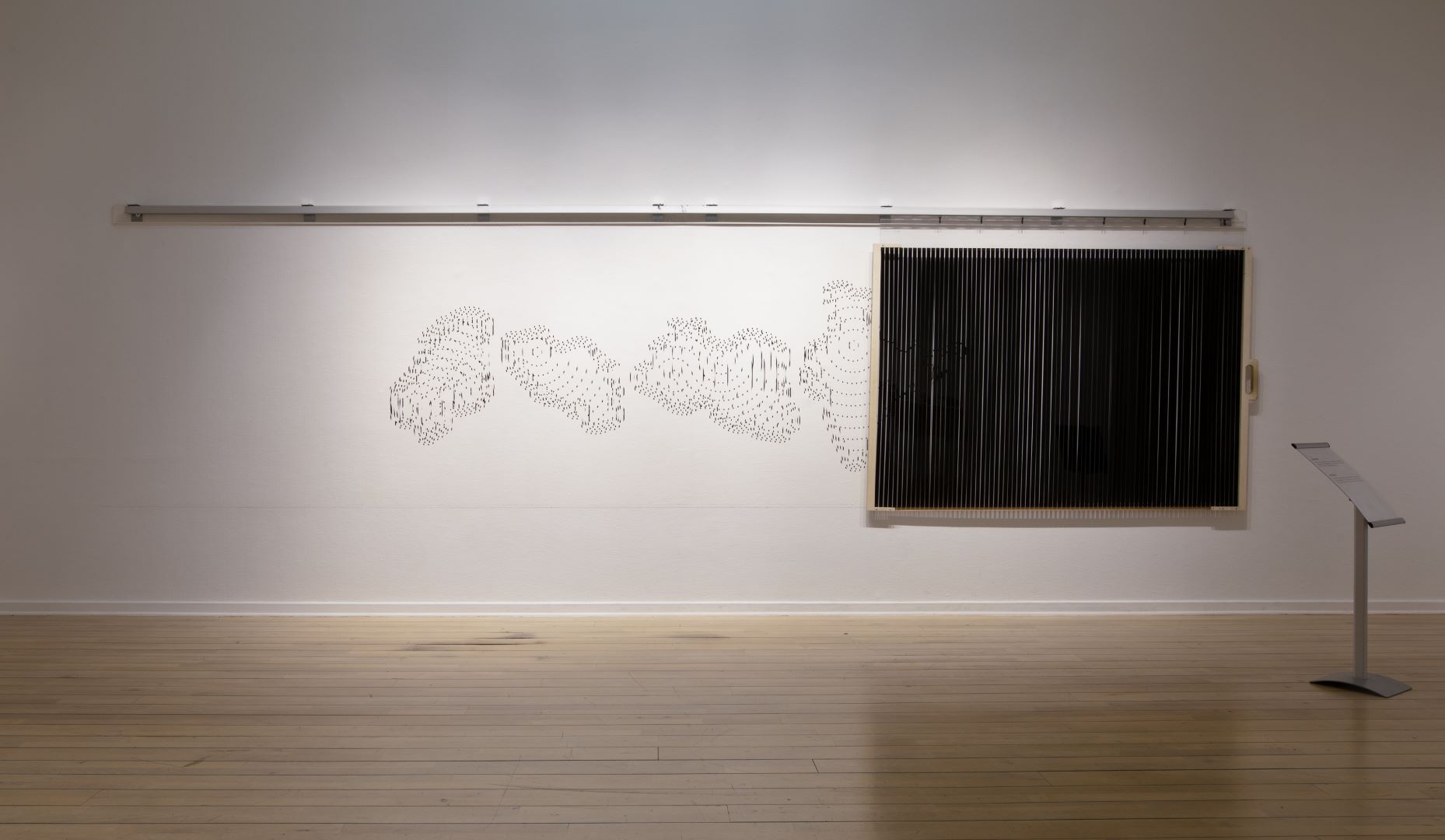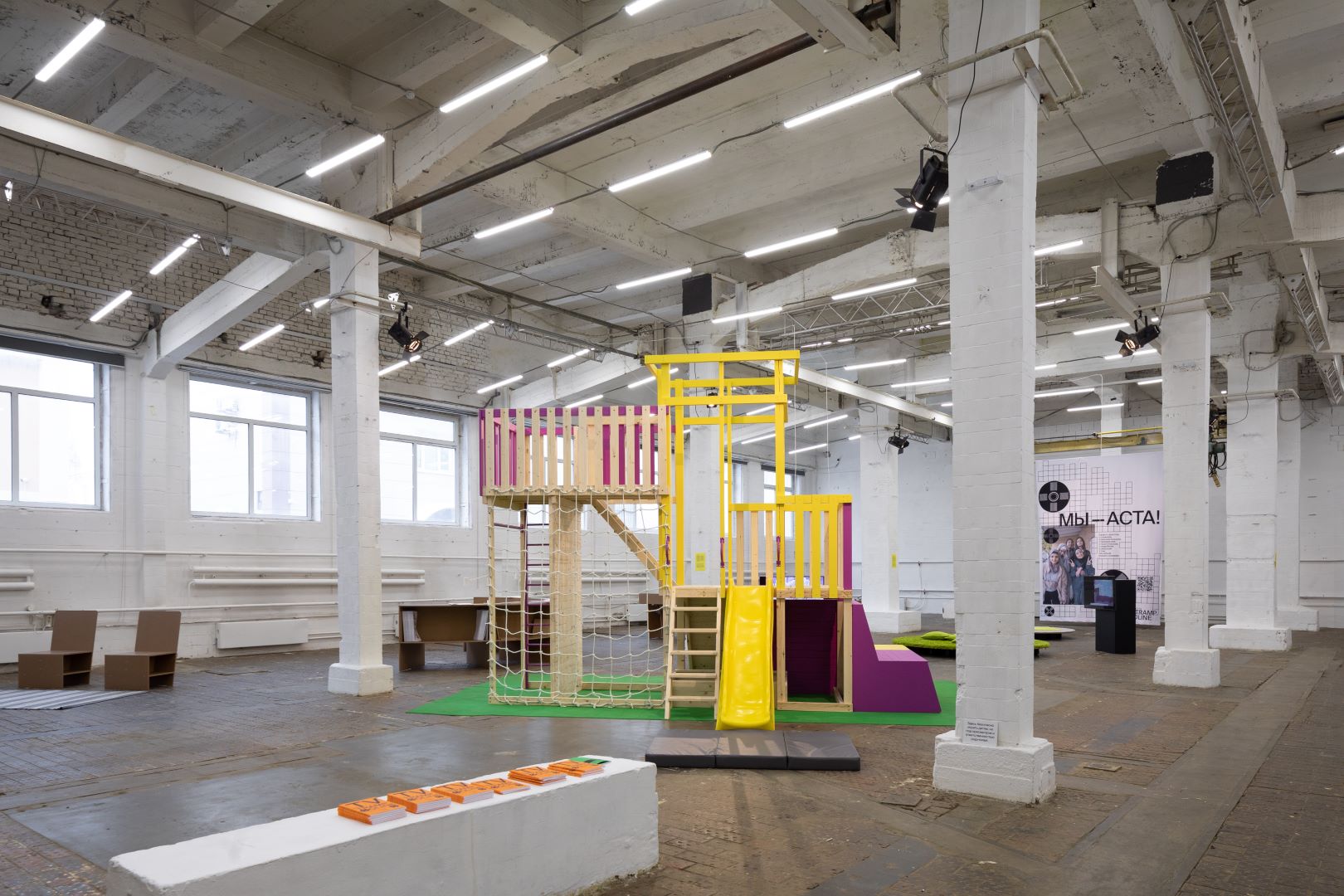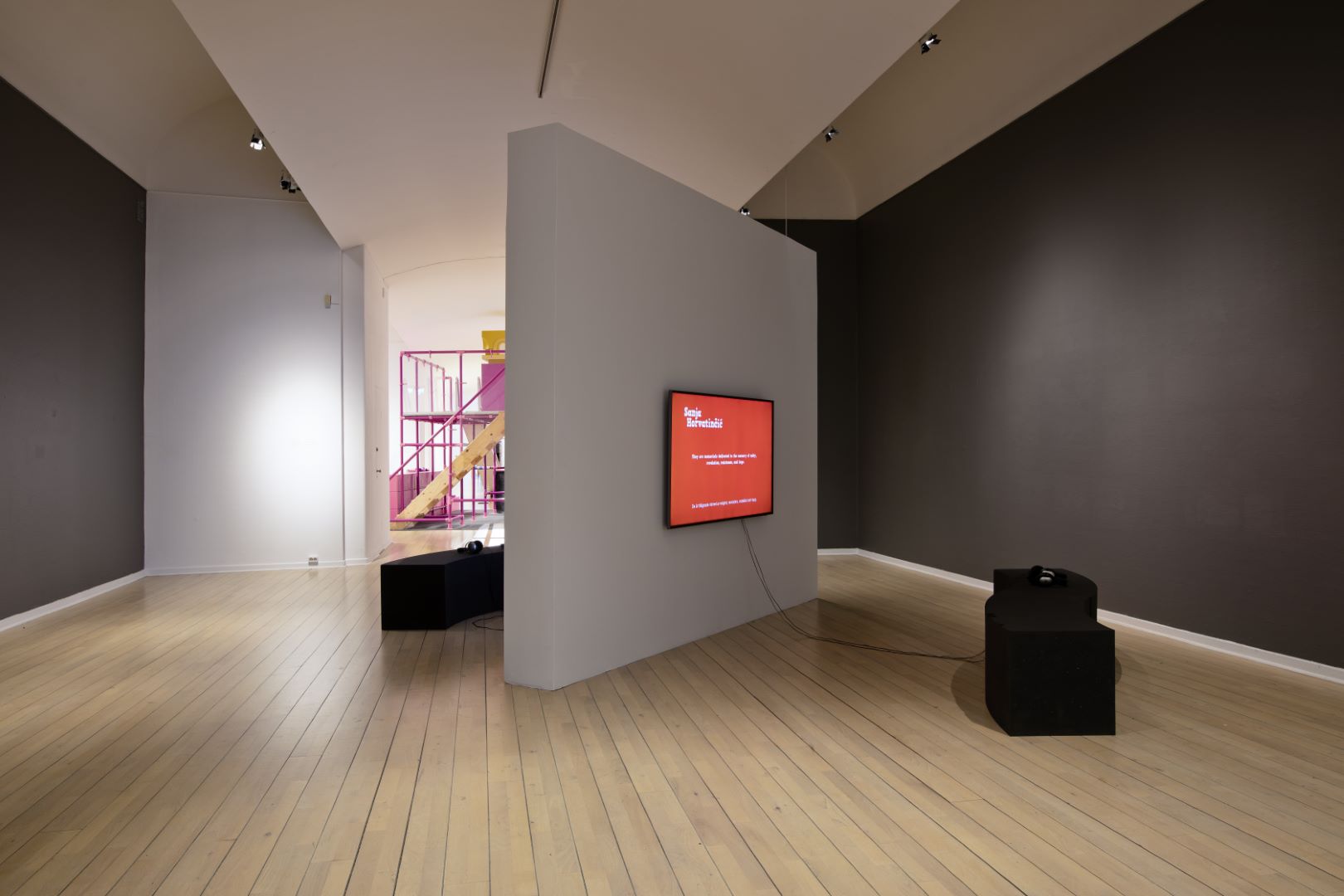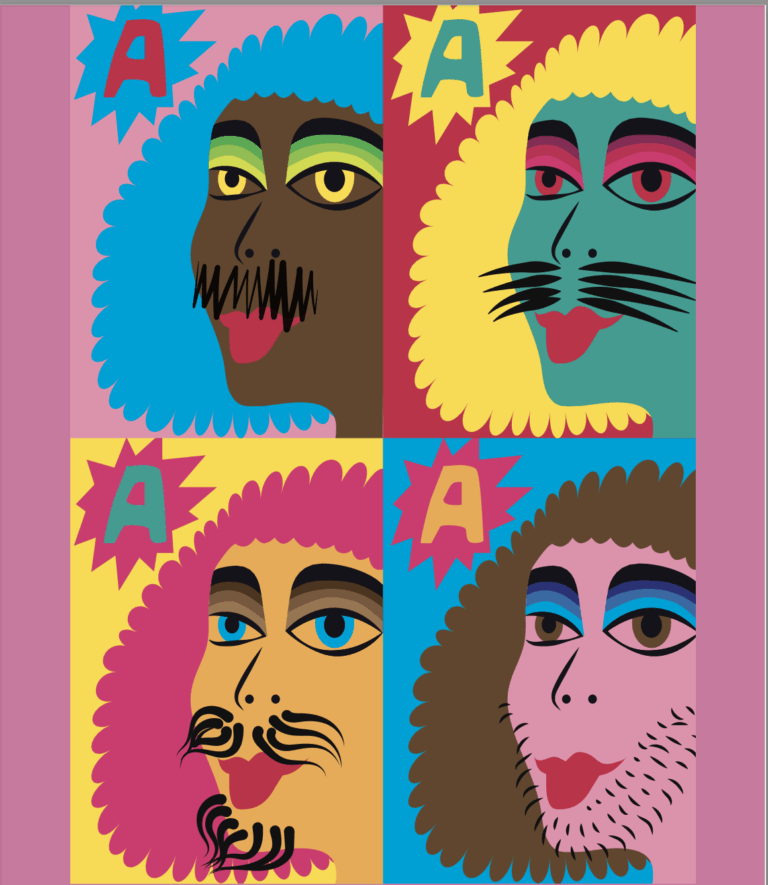
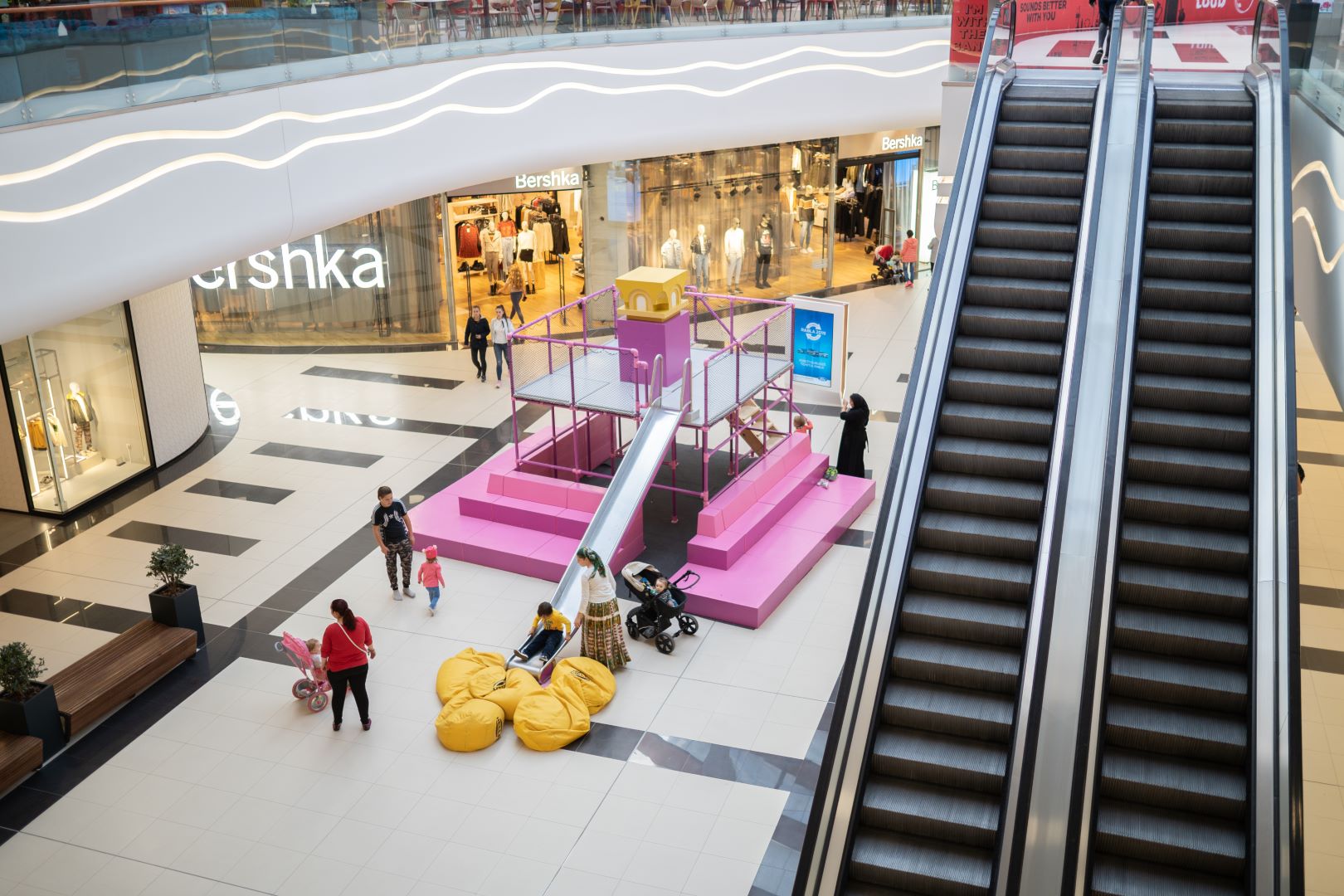
A Monument to the Invisible Citizen is a series of site-specific monuments that envision a playground as a potential future for social commemoration. This project originated in 2015, drawing on the artist’s childhood memories and exploring how his personal narrative intersects with the broader political landscape and the concept of transnationalism. It delves into an animated series called Professor Balthazar, which was produced by Zagreb Film from 1967 to 1984 during the Cold War. In Professor Balthazar’s town, there lived a man named Martin.
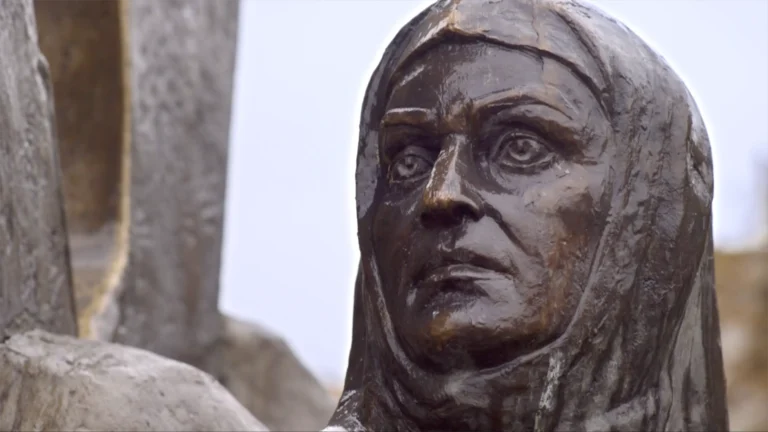
He was an ordinary individual, largely unnoticed by others—an invisible man, an invisible citizen. One day, he approached the amiable scientist, Professor Balthazar, seeking a solution to his predicament. After their encounter, Martin embarked on a journey to fill the blank pages of a book given to him by Professor Balthazar. With the assistance of a “hullabaloo machine” and three drops of magic potion, he set out to redefine his existence. Surprisingly, Martin’s absence triggered a realization among the townspeople, who had never noticed his presence. They all began to miss him dearly. In response, the City Council decided to erect a monument in Martin’s memory, but there was one problem—no one remembered what Martin looked like. Thus, in an official ceremony, the city of Balthazar unveiled an empty podium dedicated to Martin: a monument to the invisible citizen.
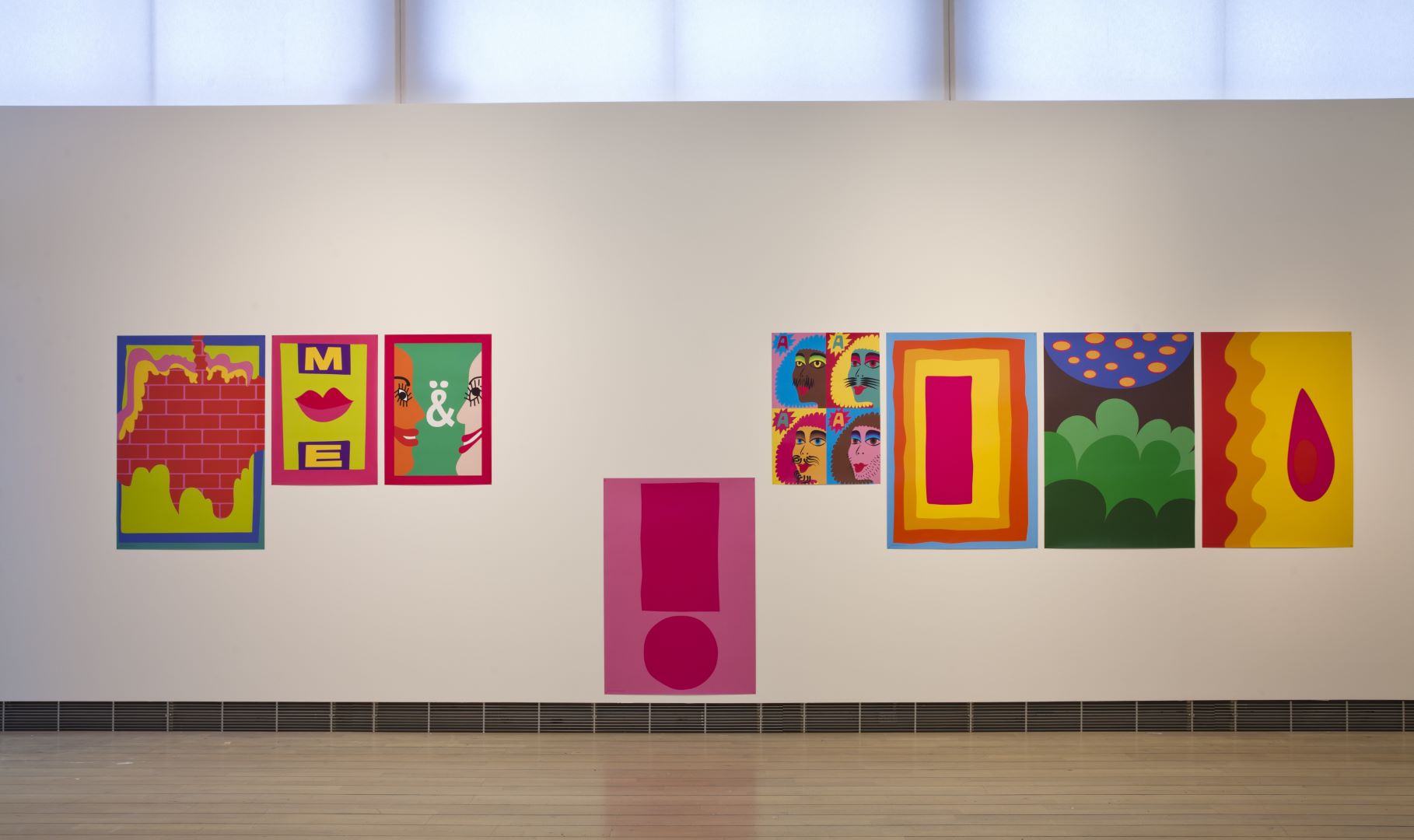
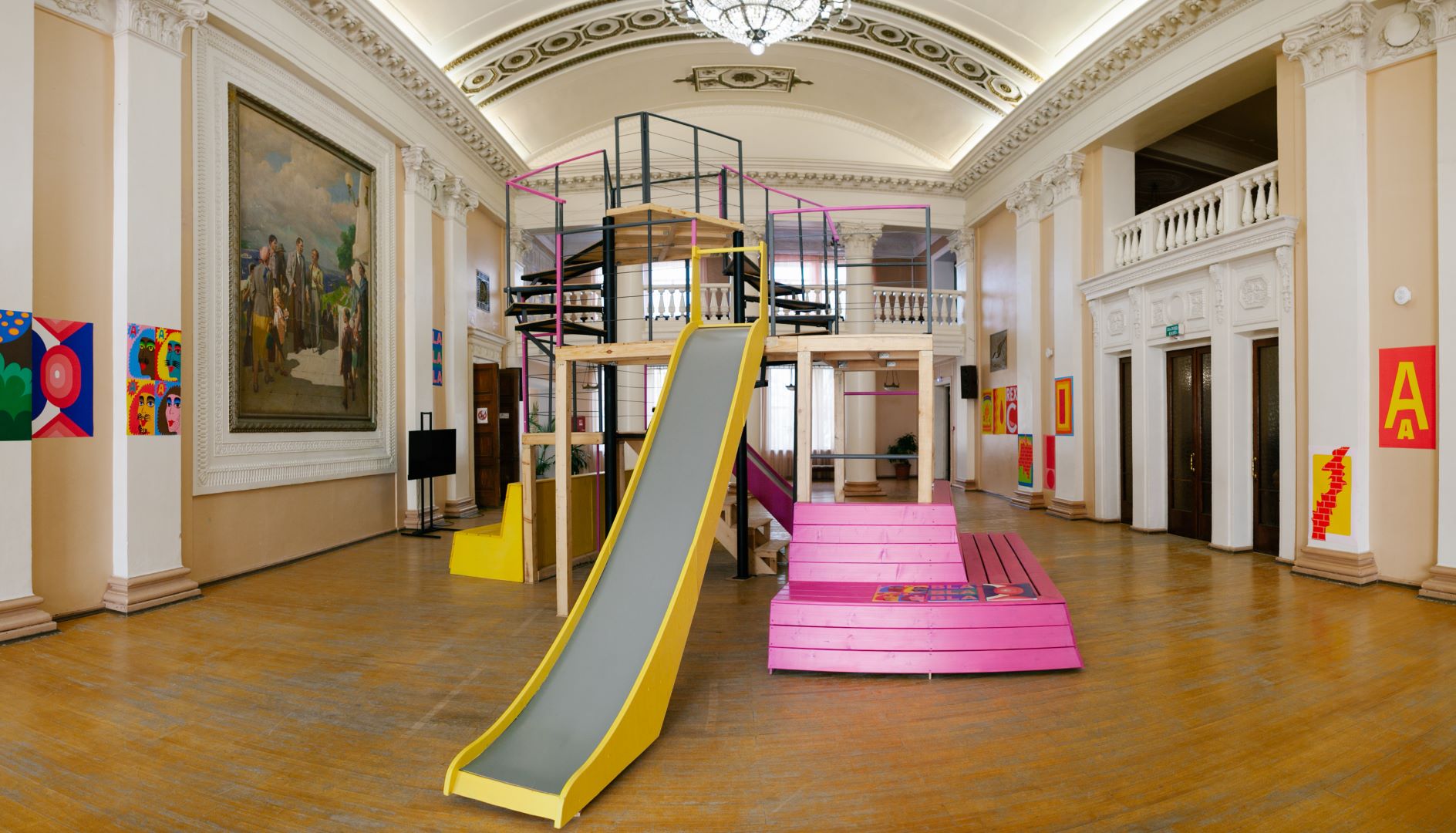
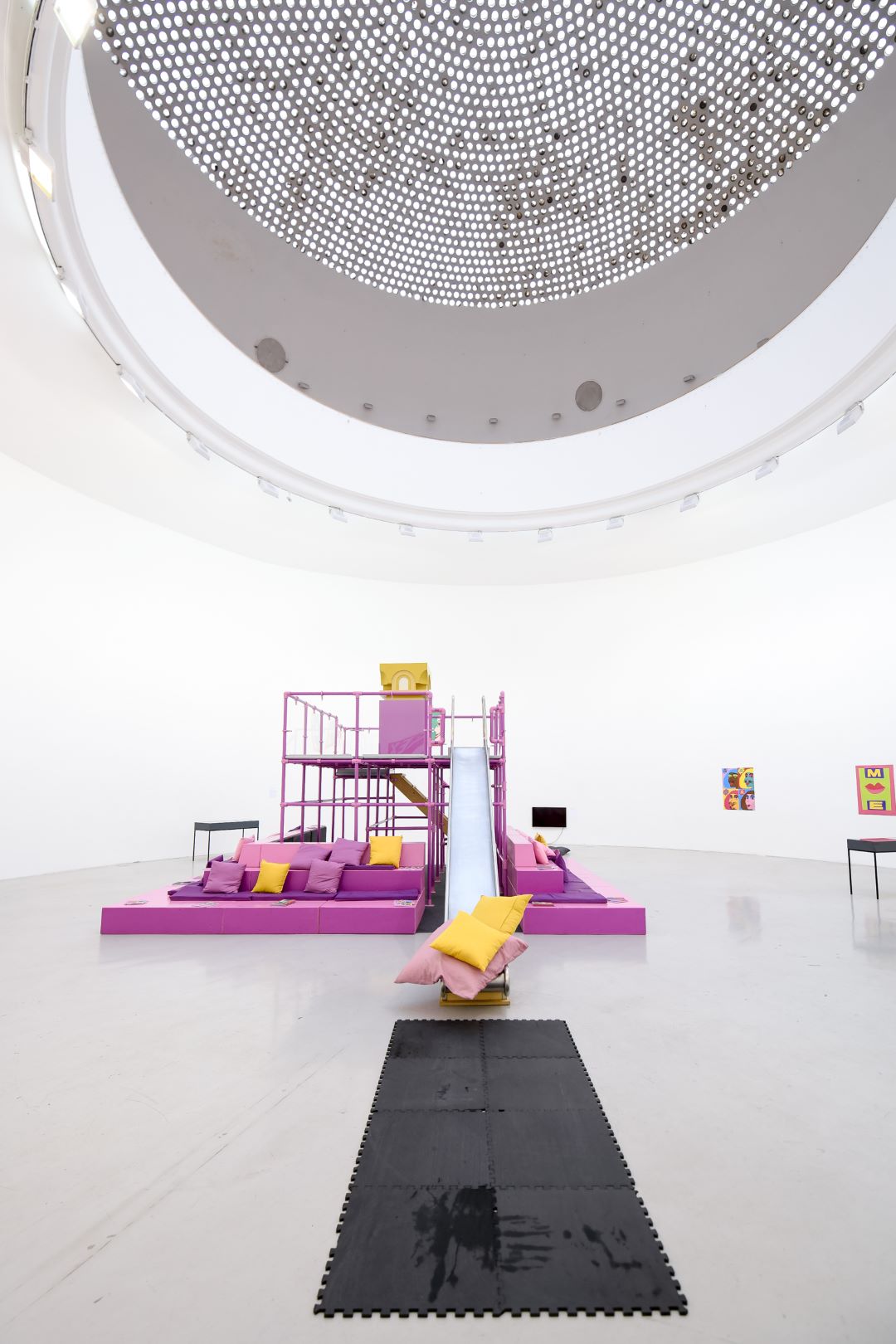
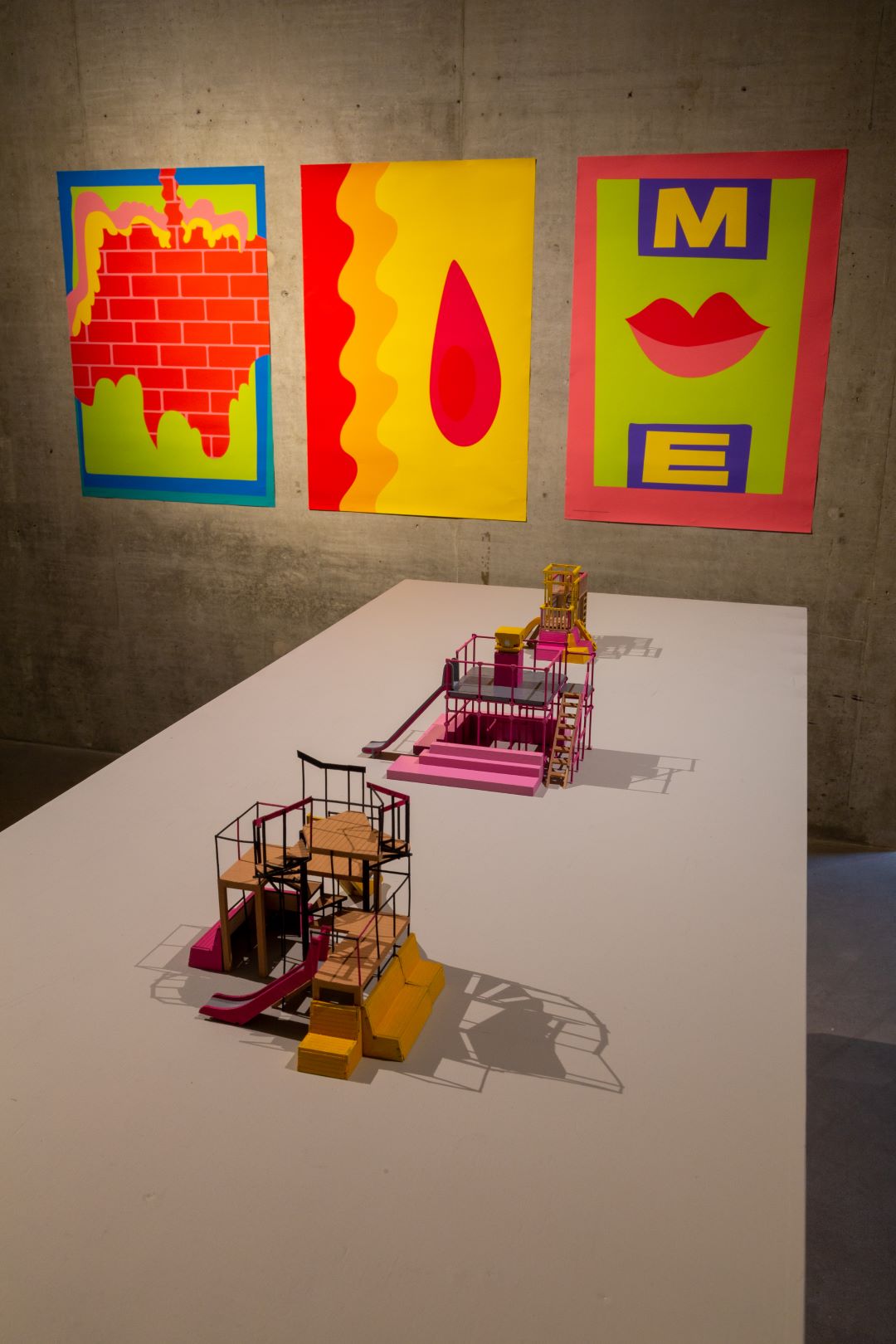
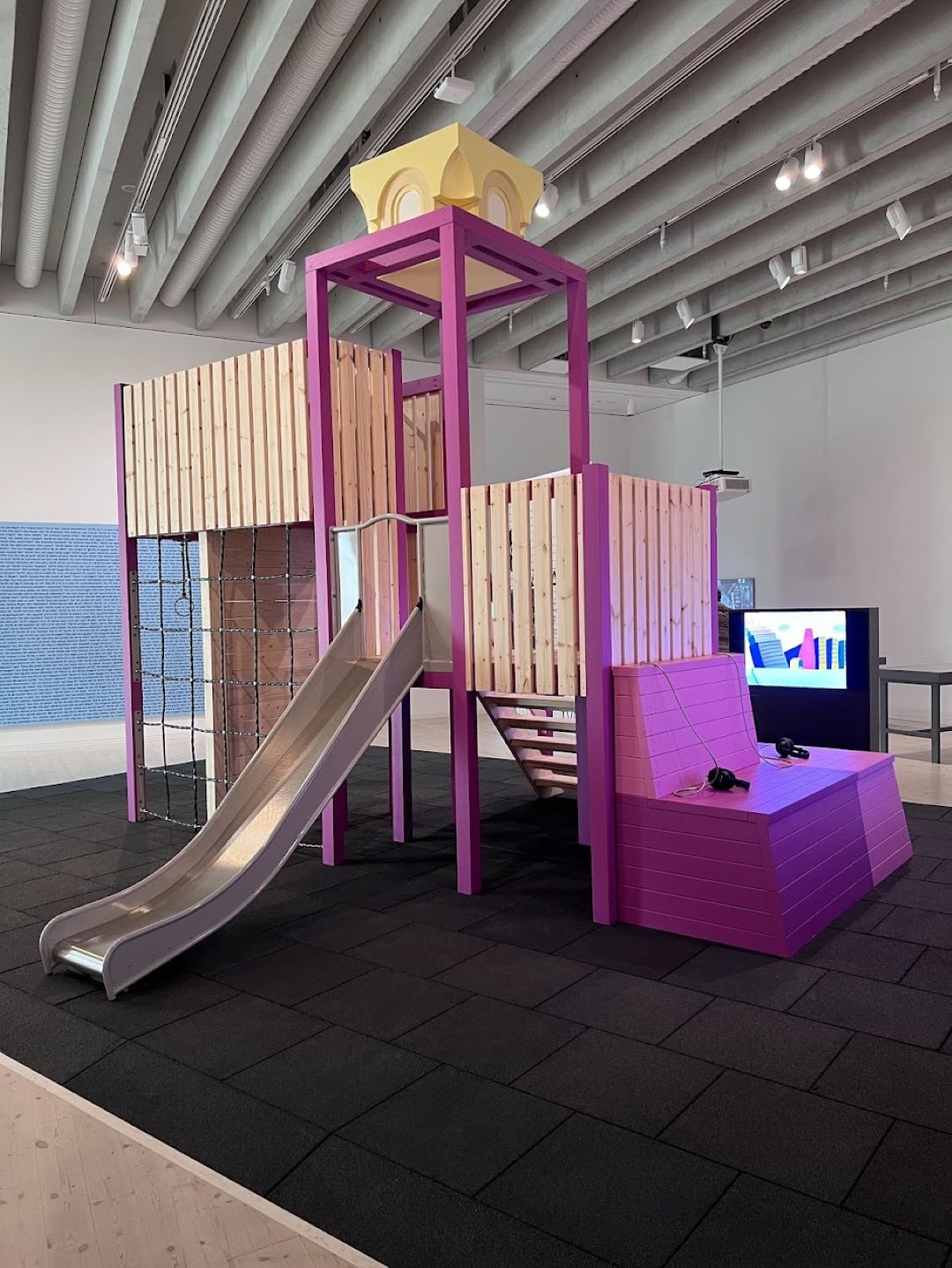
At its core, this project utilizes the monument(s) as narrative objects, sharing parables about play, playfulness, utopianism, exile, the politics of the Non-Aligned Movement, and childhood memories. These monuments serve as spaces that have the potential to foster social communities and interactions, akin to a children’s playground. The inaugural exhibition took place at Marabuparken in 2018. Subsequently, the project expanded and evolved in relation to various locations, such as Asbest within the Ural Industrial Biennale. Here, it drew inspiration from the ideas of Moisei Ginzburg, an early constructivist architect, regarding the significance of play. The interpretations of a monument presented in the early episode of Professor Balthazar’s “How to Climb to the Top of Success” (Zlatko Grgić, 1967) further influenced the project. The different iterations of these monuments have been exhibited at Marabouparken Konsthall in 2018, Kalmar Konstmuseum in 2018, Malmö Konstmuseum in 2019, Art Encounter Biennale Timisoara in Romania in 2019, Croatian Association of Fine Artists (HDLU) in Zagreb in 2020, Ural Industrial Biennale in Asbest in 2021, Fabrica Moscow in 2021, Bild Museum Umeå in 2022, and Norrtälje Konsthall in 2023. Three models represent the actual monuments installed in the cities of Zagreb (Croatia), Khabarovsk, and Moscow (Russia).