2017–ongoing
Archival research, photography, installation and artistic publication
The Life of an Itinerant through a Pinhole begins with a photographic archive created by Gholamreza Amirbegi, Noori’s grandfather, in southwest Tehran between 1956 and 1968. Working as an itinerant photographer, Amirbegi portrayed families, workers and neighbourhood life during a period of rapid urban expansion. Many of the people he photographed had arrived in Tehran from smaller towns and rural areas, carrying local histories into a city being reshaped by industrialisation, internal migration and the economic consequences of the Second World War and the Anglo-Soviet occupation of Iran.
The archive is therefore both historical and familial. Noori’s relationship to Amirbegi gives him access to personal memories and inherited materials, but it does not resolve the photographs or grant complete knowledge of the people they portray. The project approaches autoethnography as a position of proximity that must itself be examined, rather than as evidence that authorises a final interpretation.
The photographs are studied as historical traces and travelling social objects. Their meanings are not contained within the moment of exposure. They change as the images move between the photographer, the people portrayed, family collections, archives, exhibitions and contemporary viewers. Itinerancy consequently describes more than Amirbegi’s labour. It also names the movement of the image through different places, technologies and political conditions.
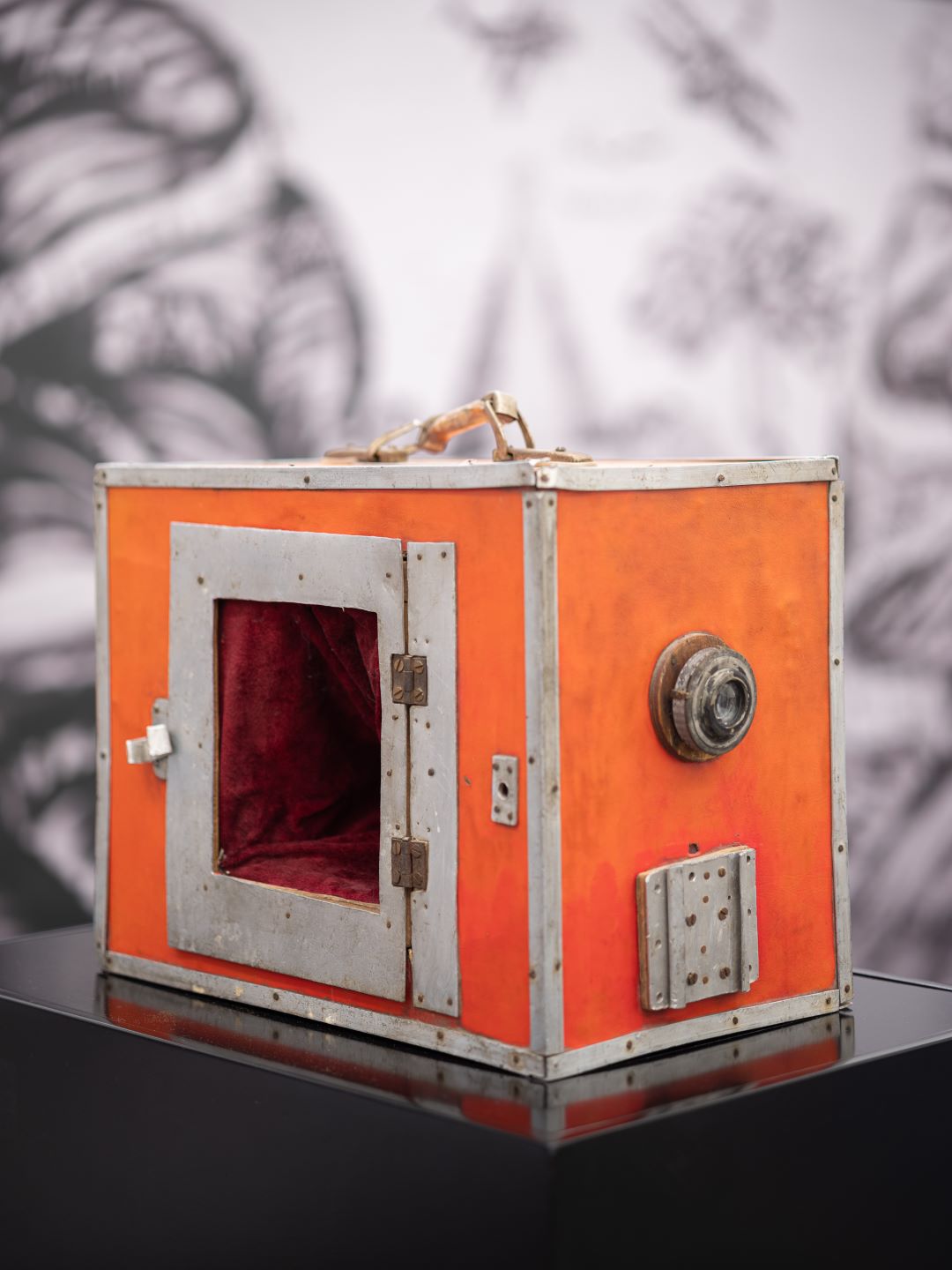
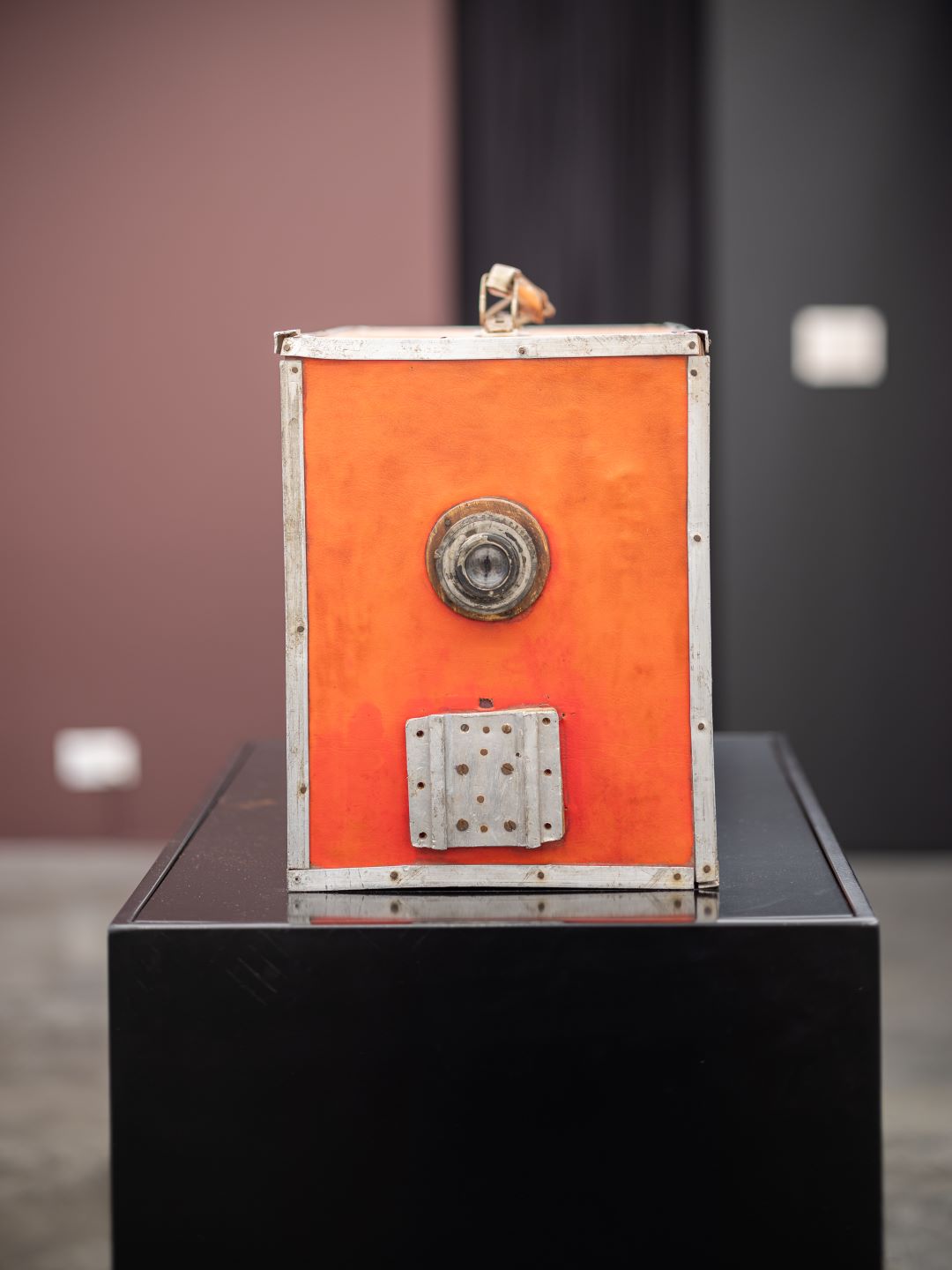
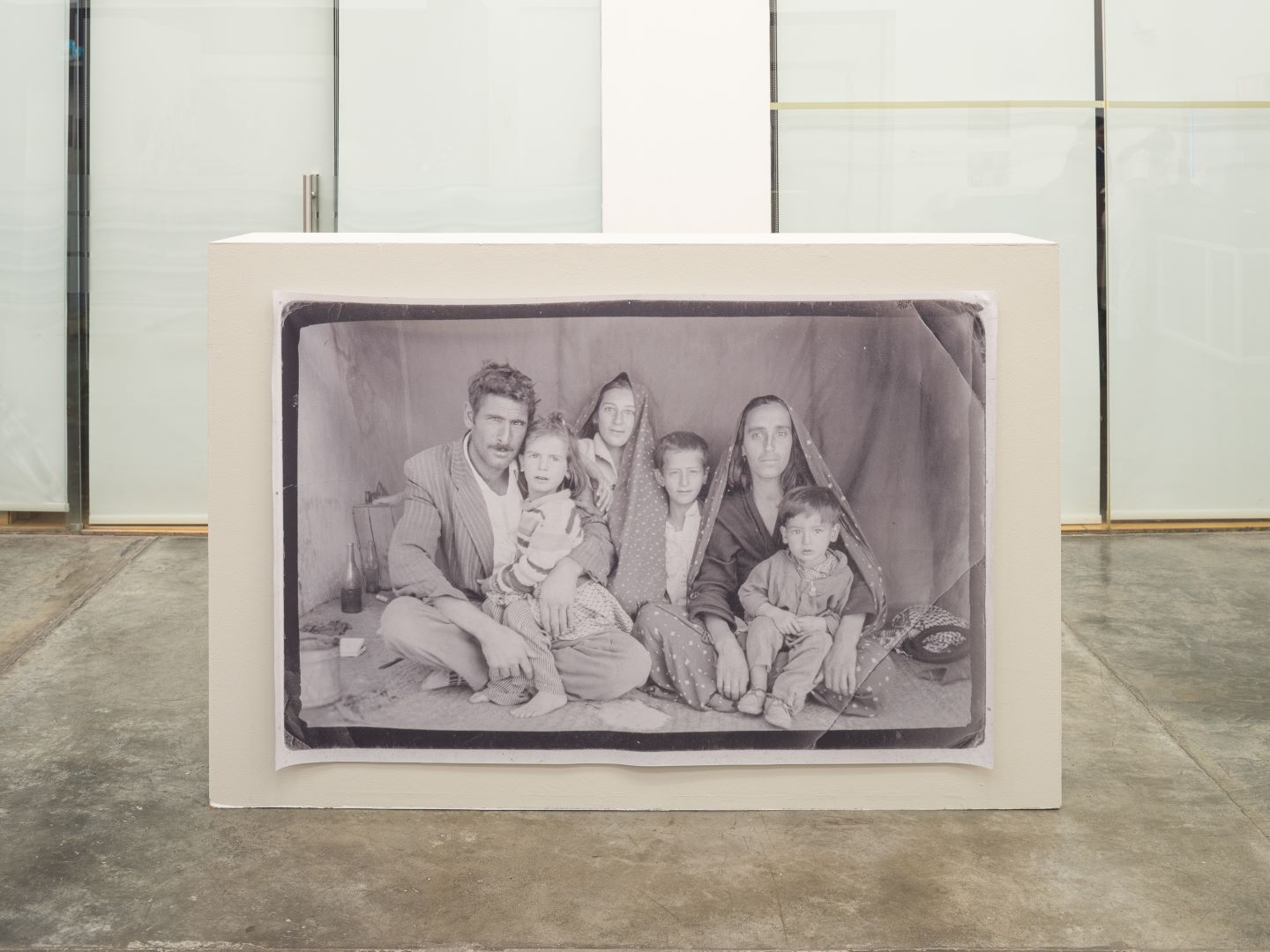
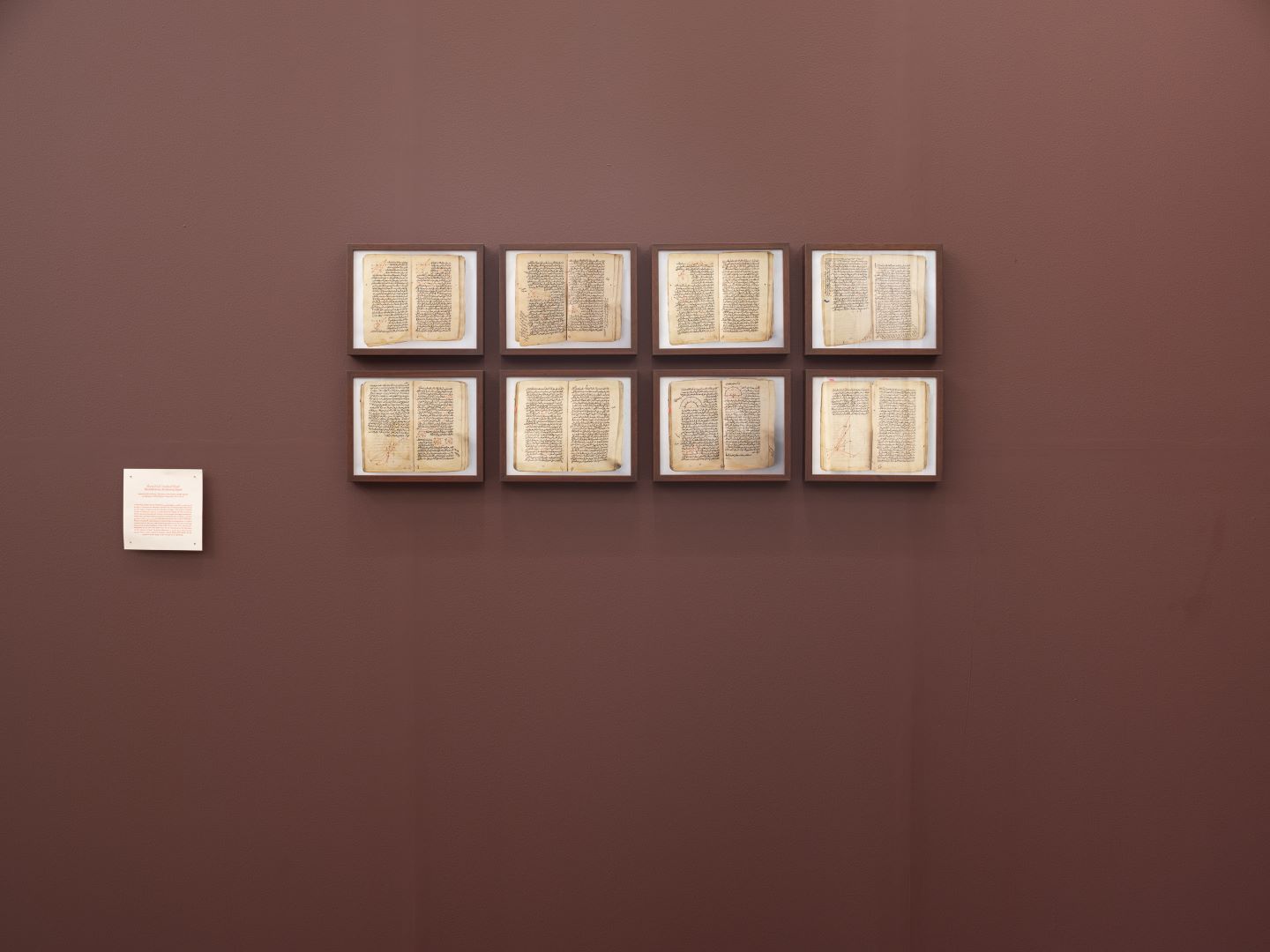
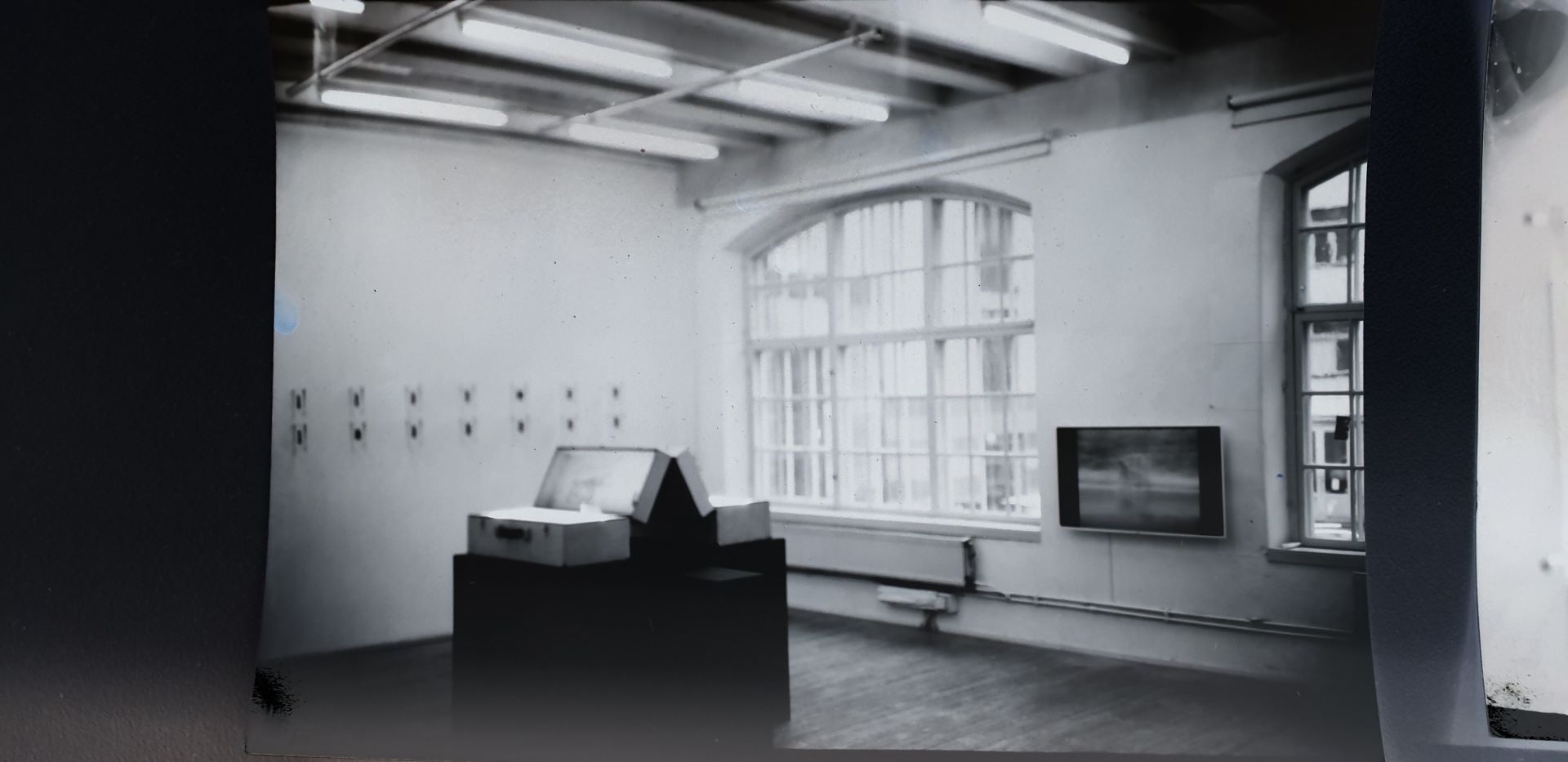
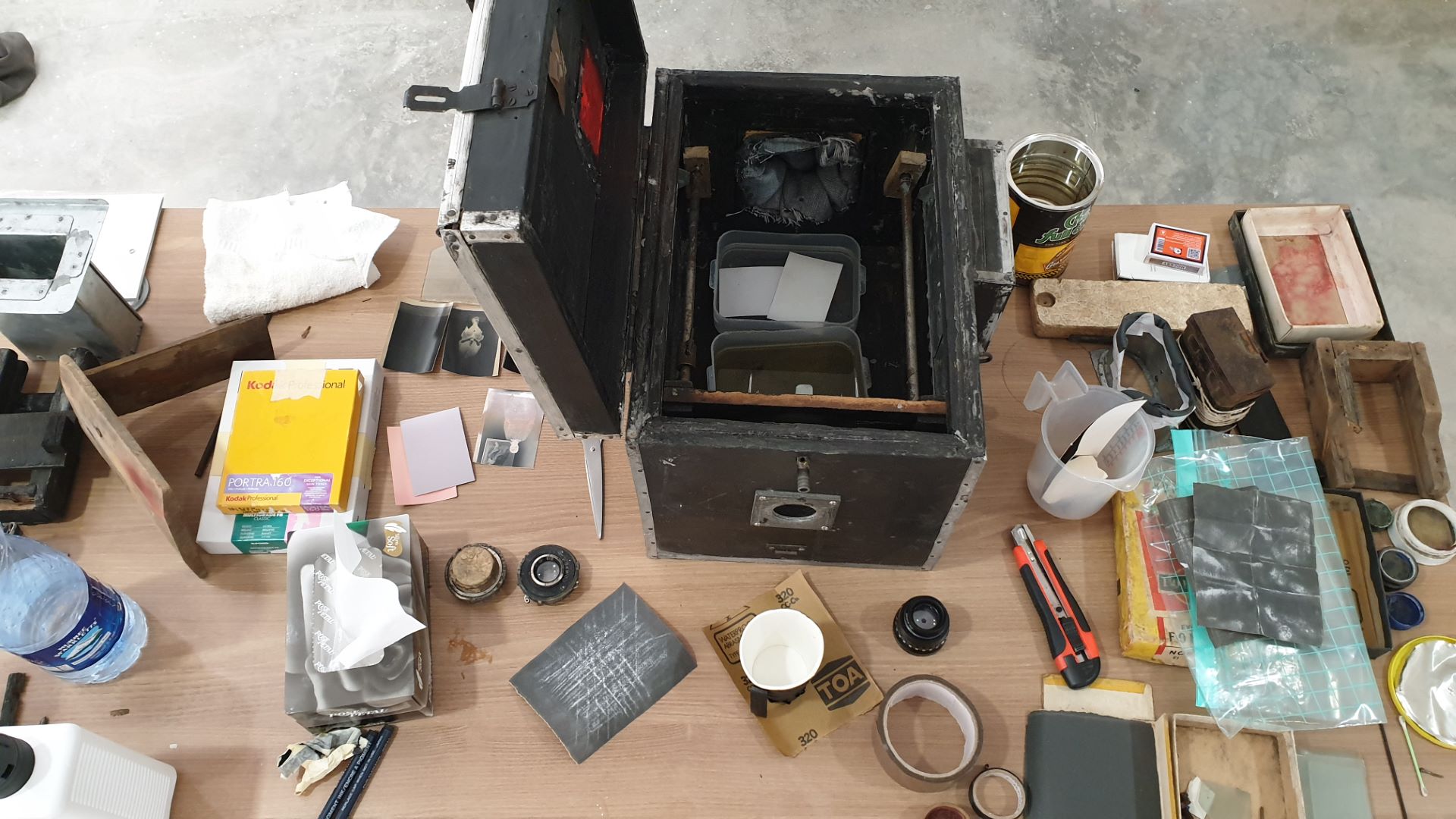
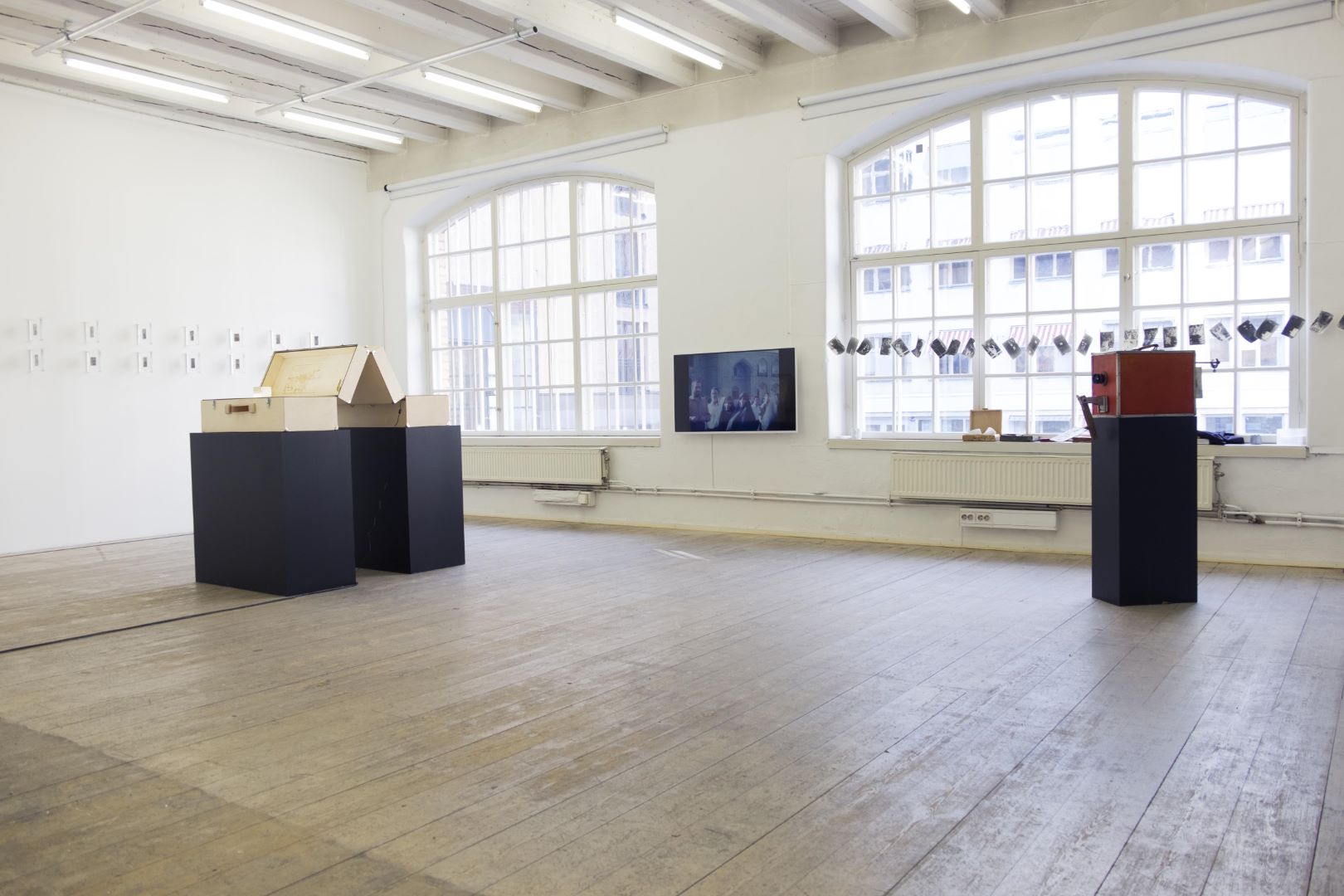
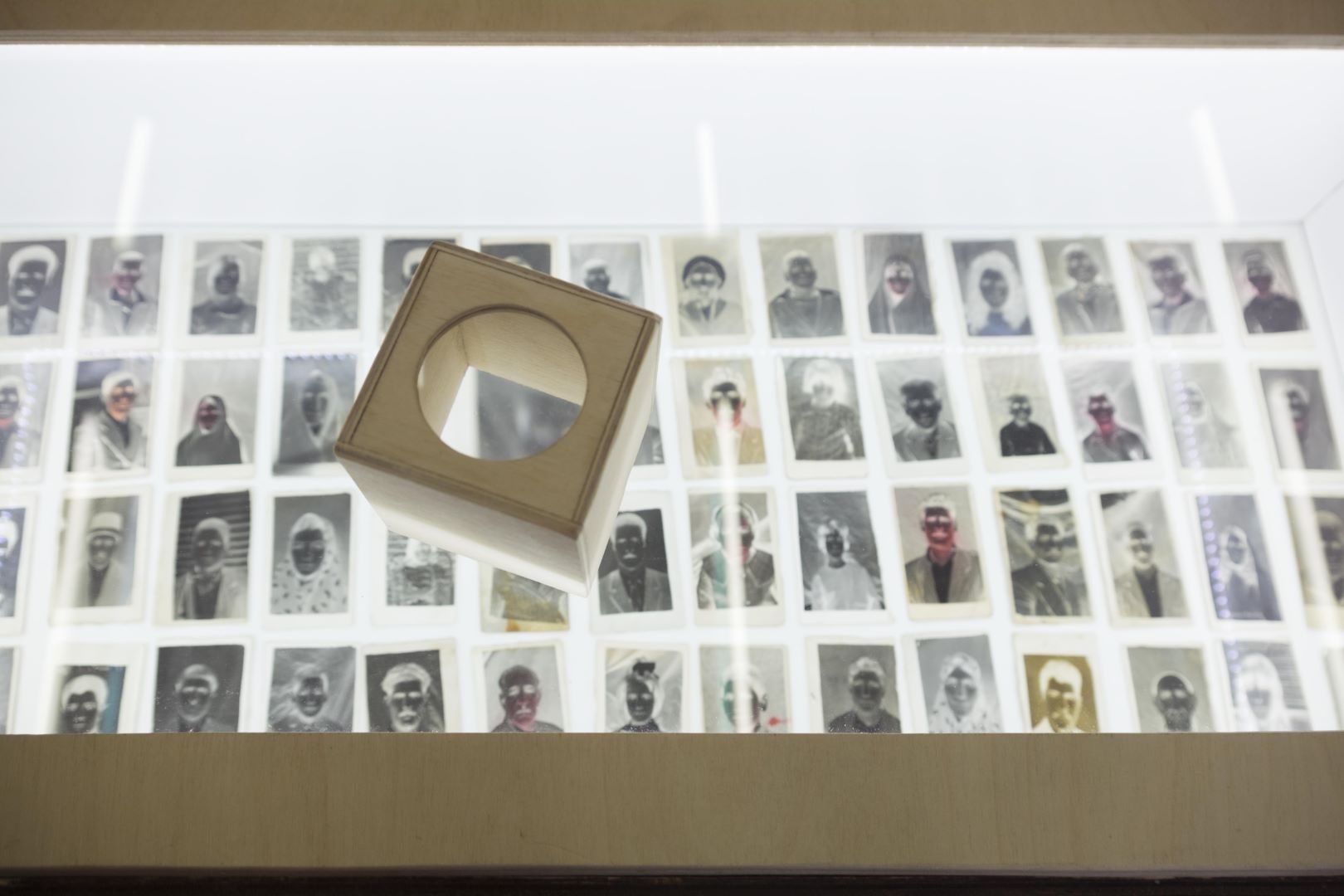
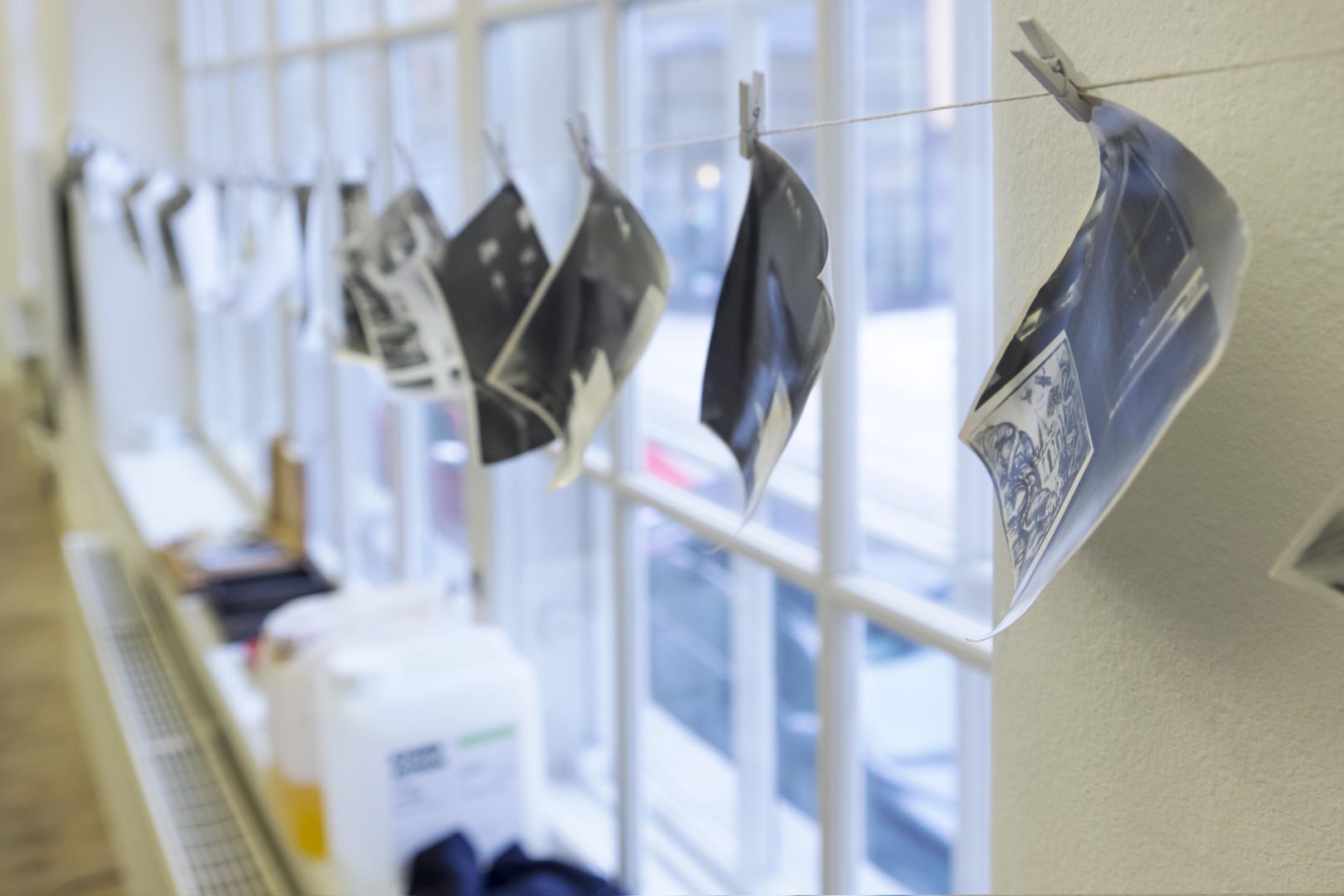
Rather than treating the archive as a transparent record, Noori examines what it reveals, what it withholds and how its subjects have been positioned within dominant accounts of Iranian modernity. The project considers how the modern nation-state constructed working-class and migrant populations as an internal “primitive” against which a Tehran-centred national identity could be defined.
Through archival research, installation, writing and artistic narration, the project brings these minor histories into relation with class, colonial modernity, proletarian image-making and the technologies of photography. It does not claim to recover every identity or complete the archive. Instead, it asks how artistic practice can activate historical images while keeping the difference between evidence, memory and speculation visible.
A question guides the work: What happens to the past when it is viewed from the position of a future its subjects could not yet see?