2020
Film essay and artistic research project
In collaboration with Magnus Bärtås
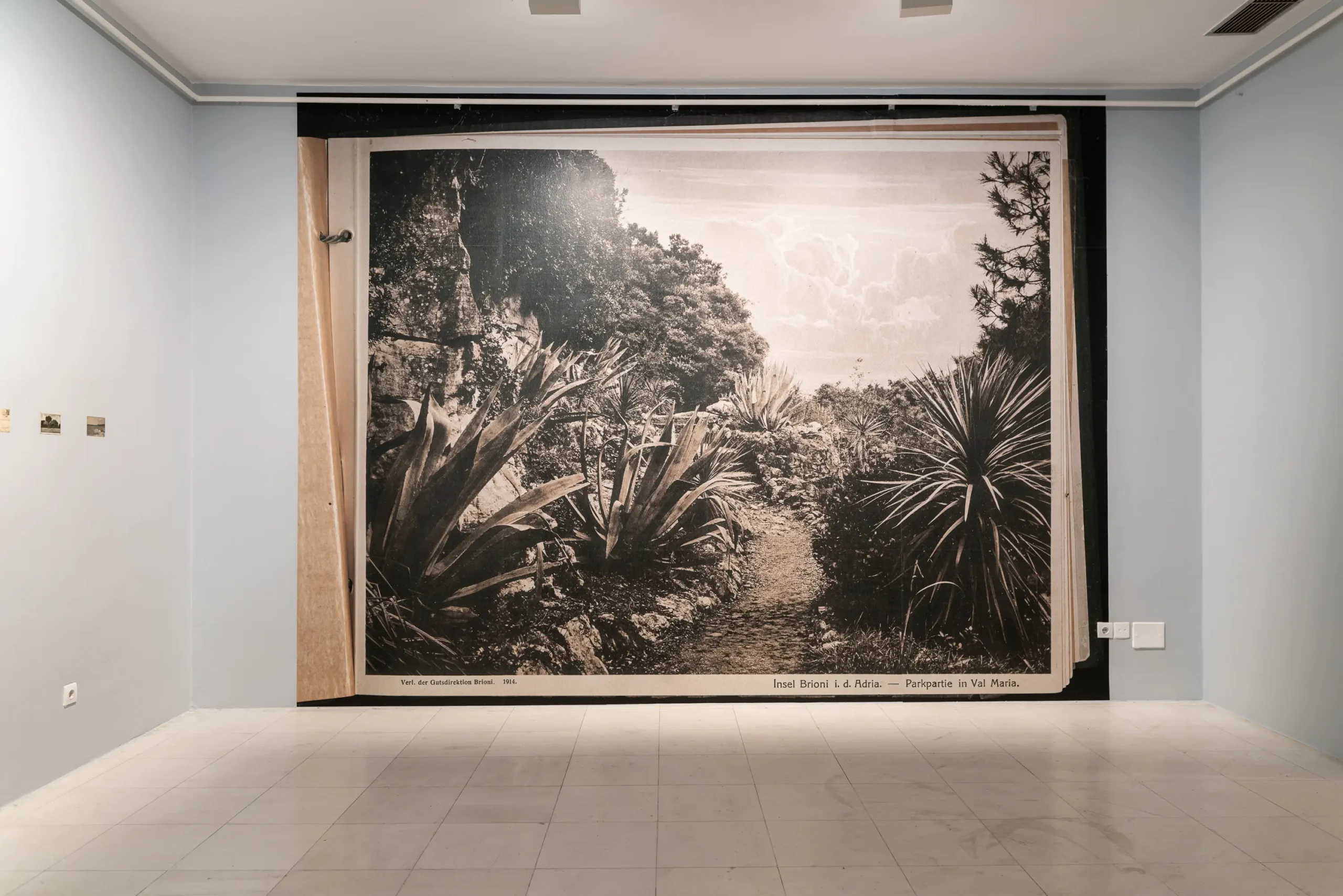
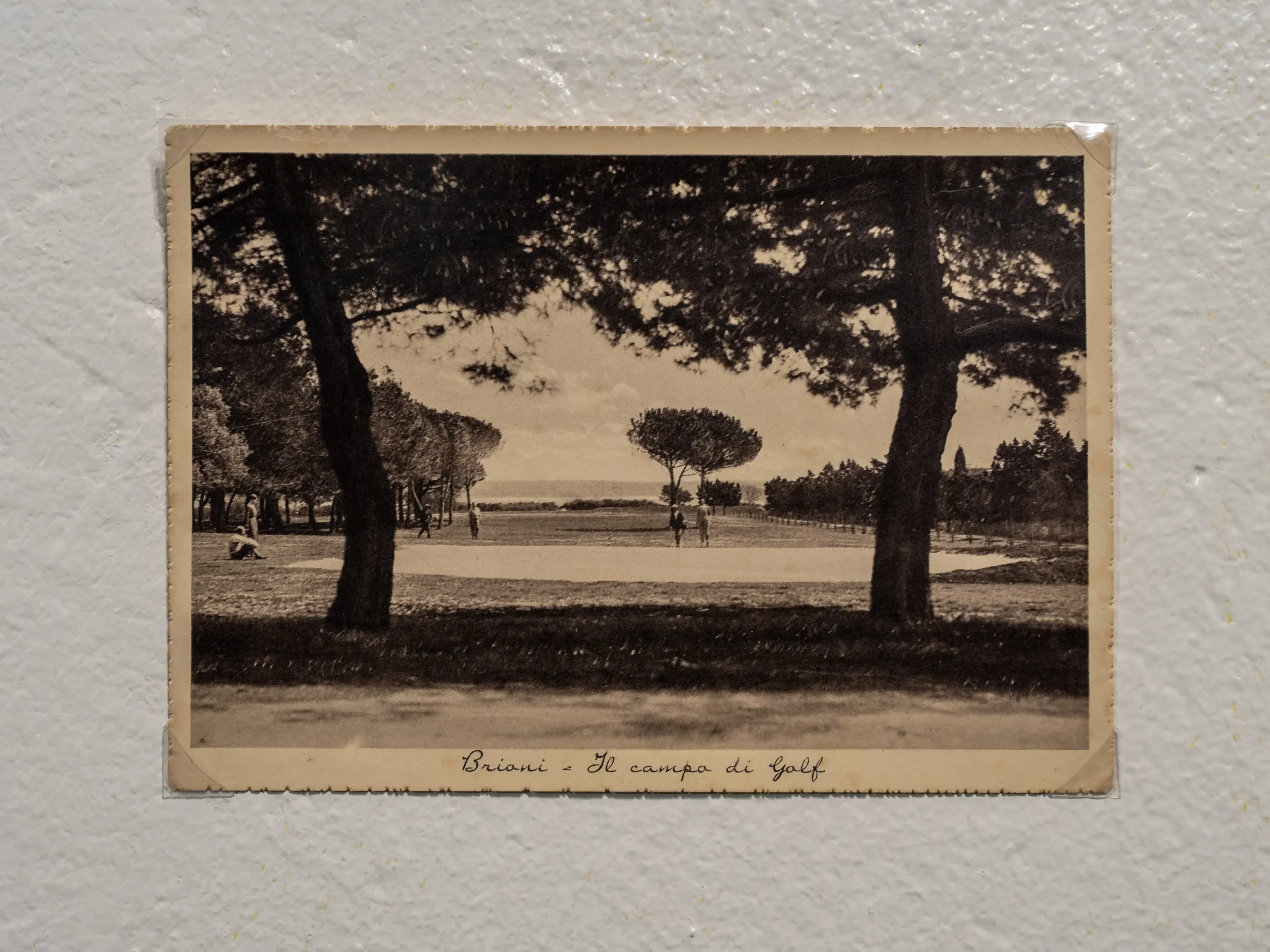
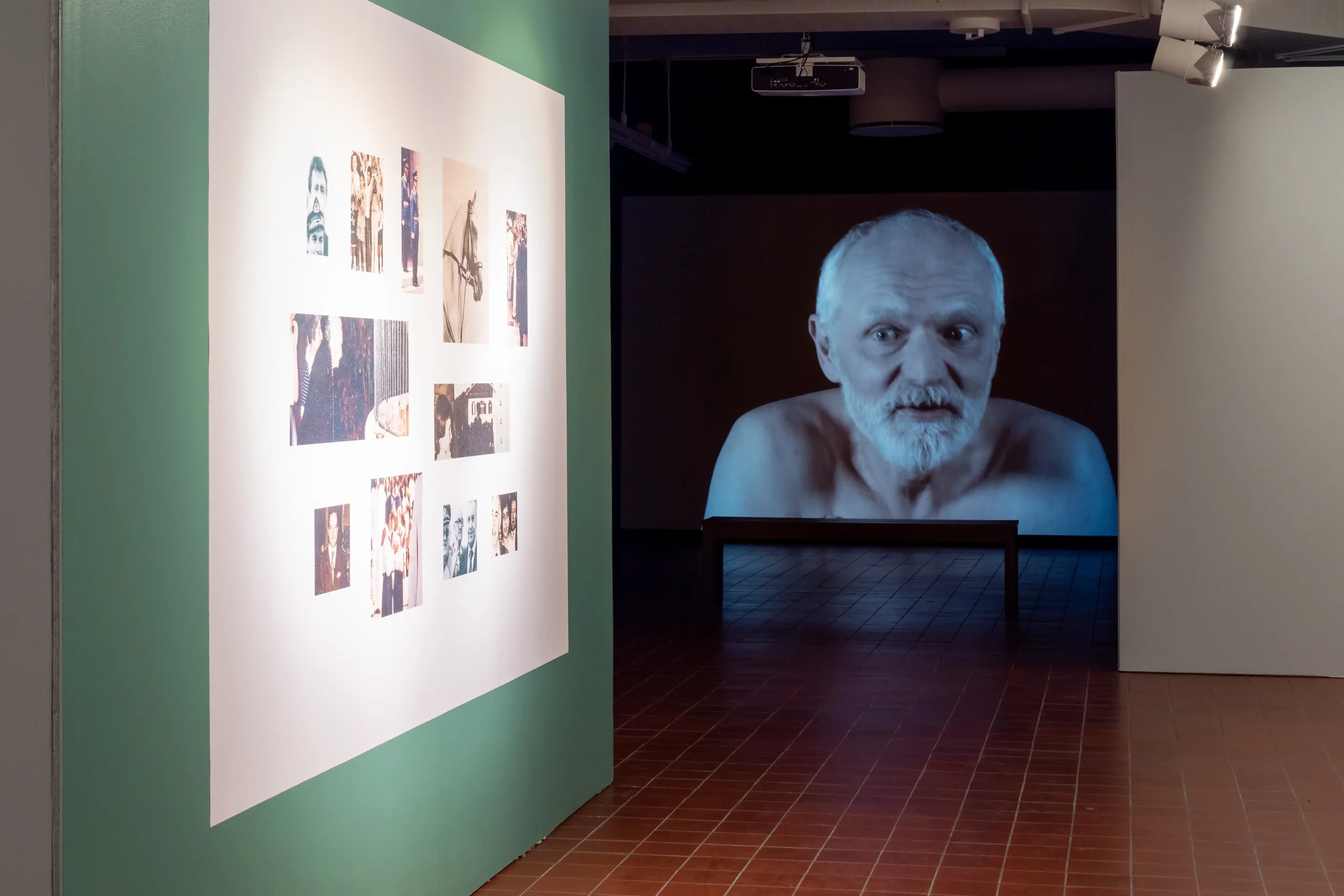
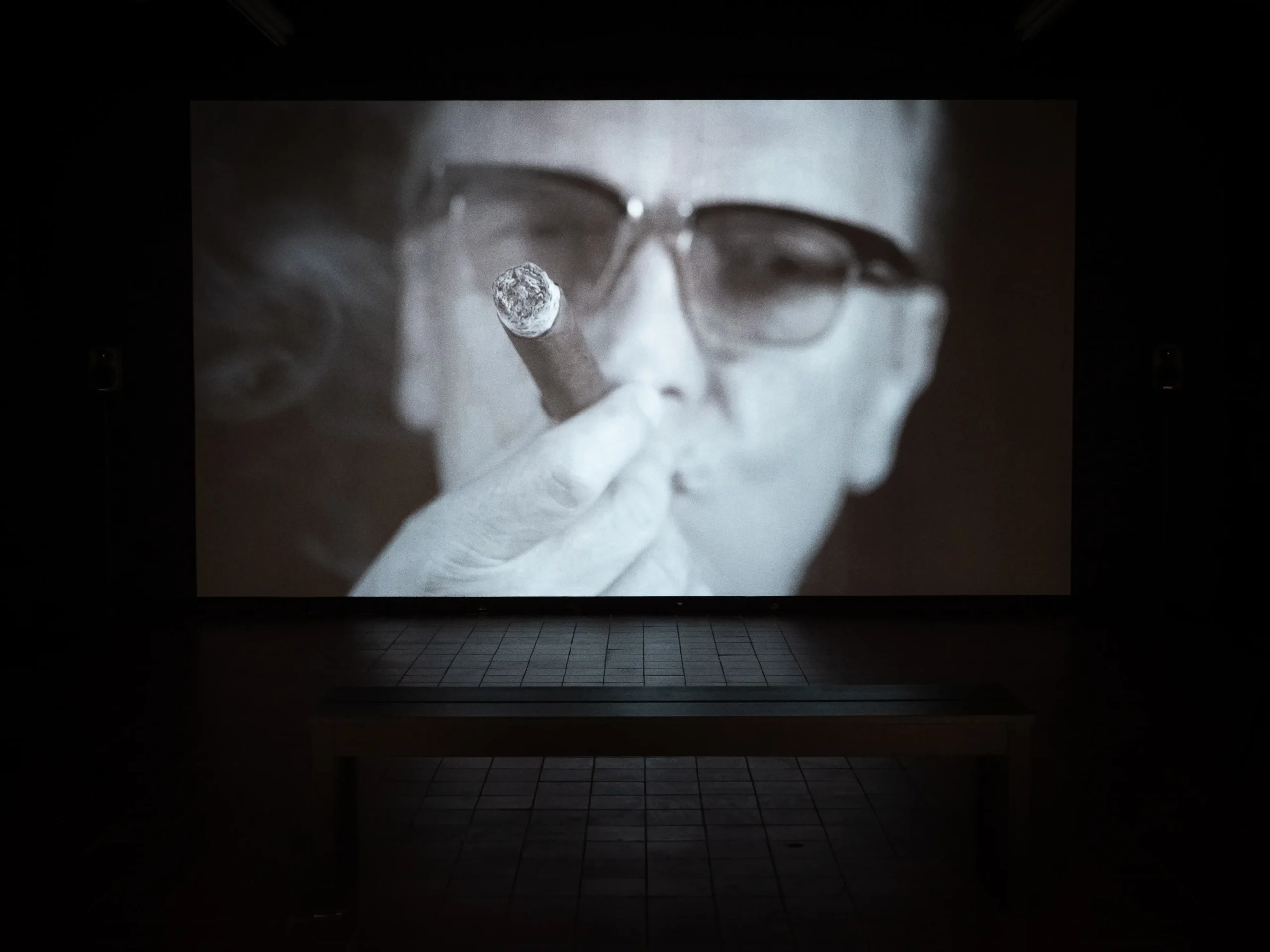
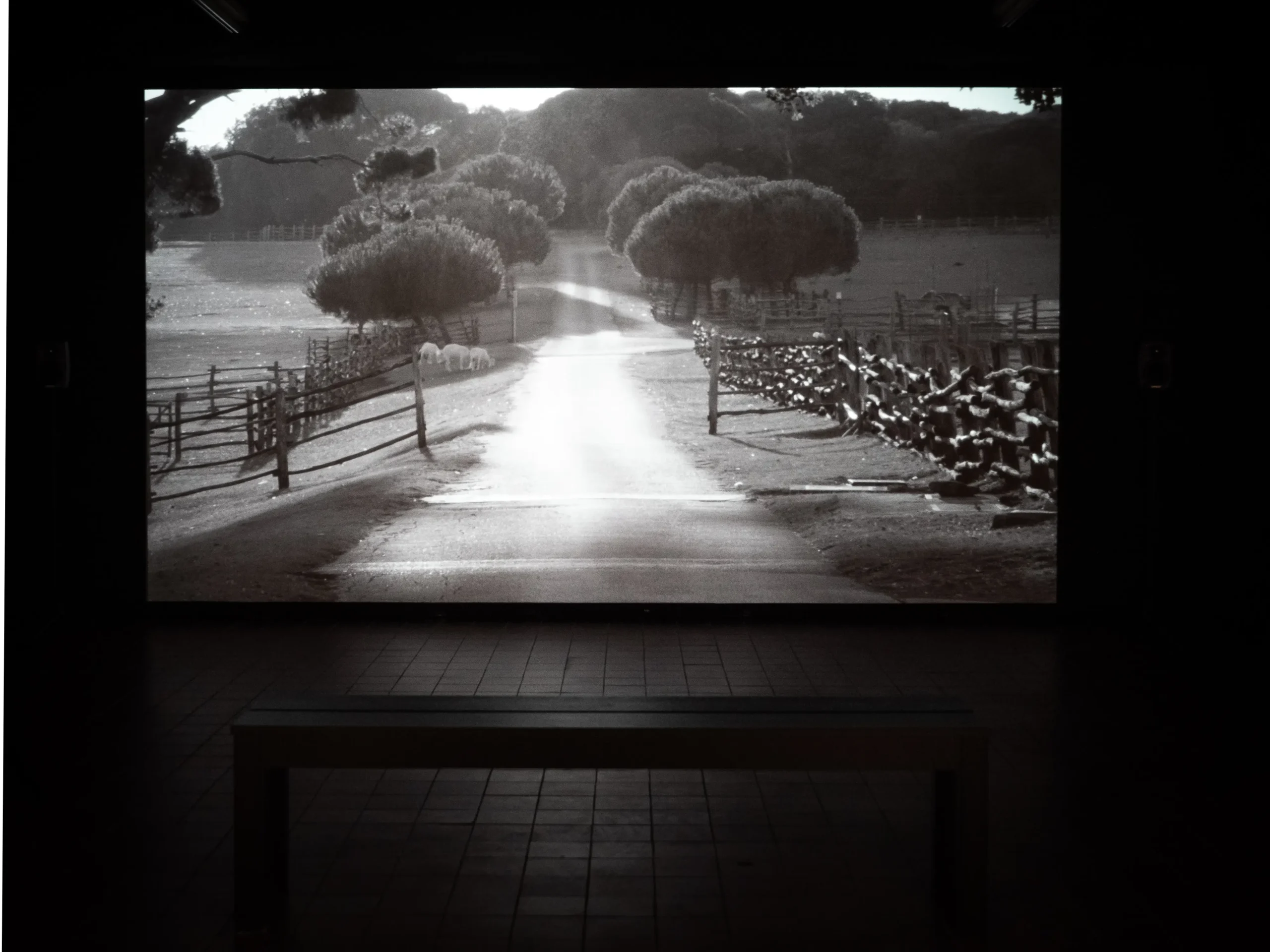
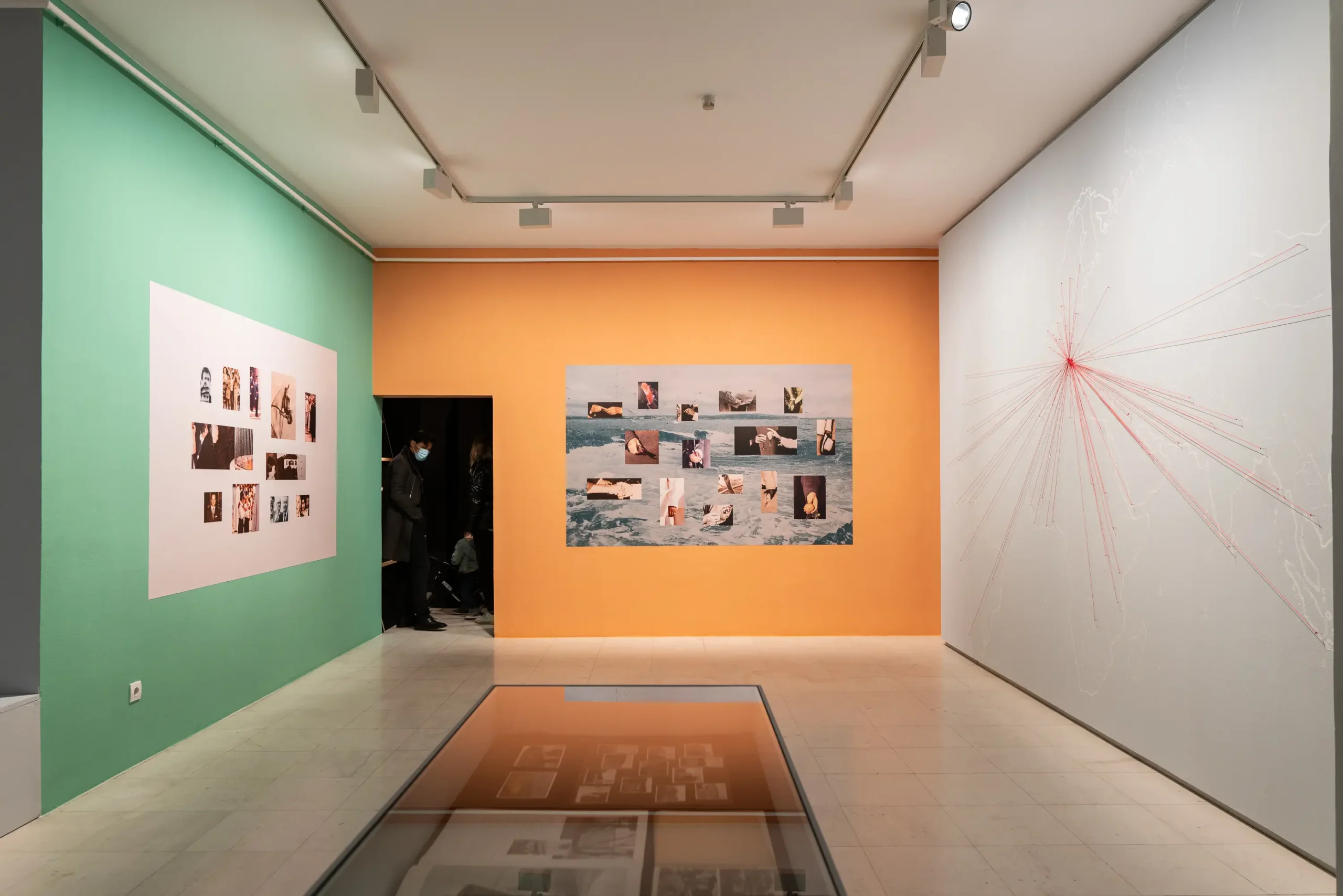
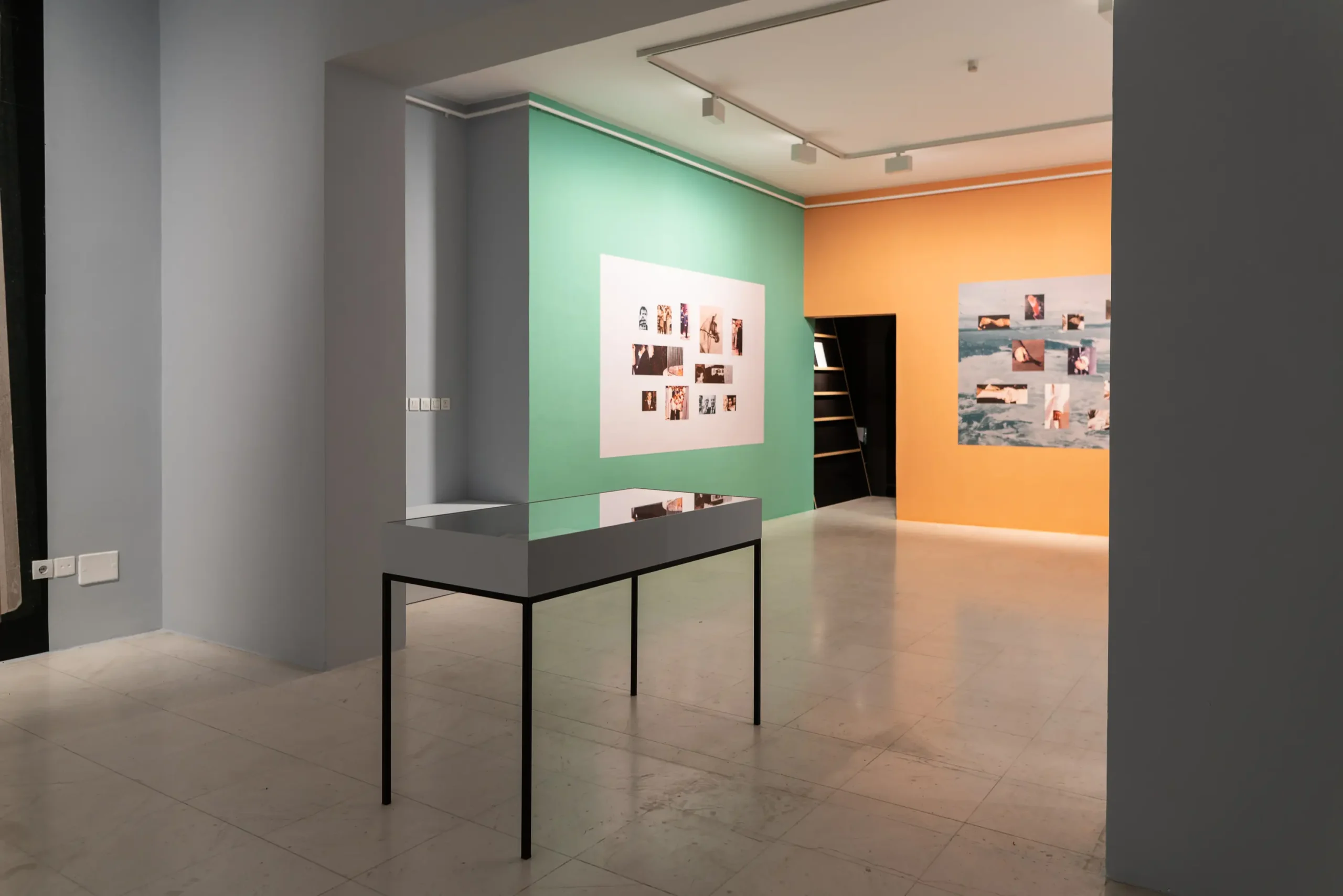
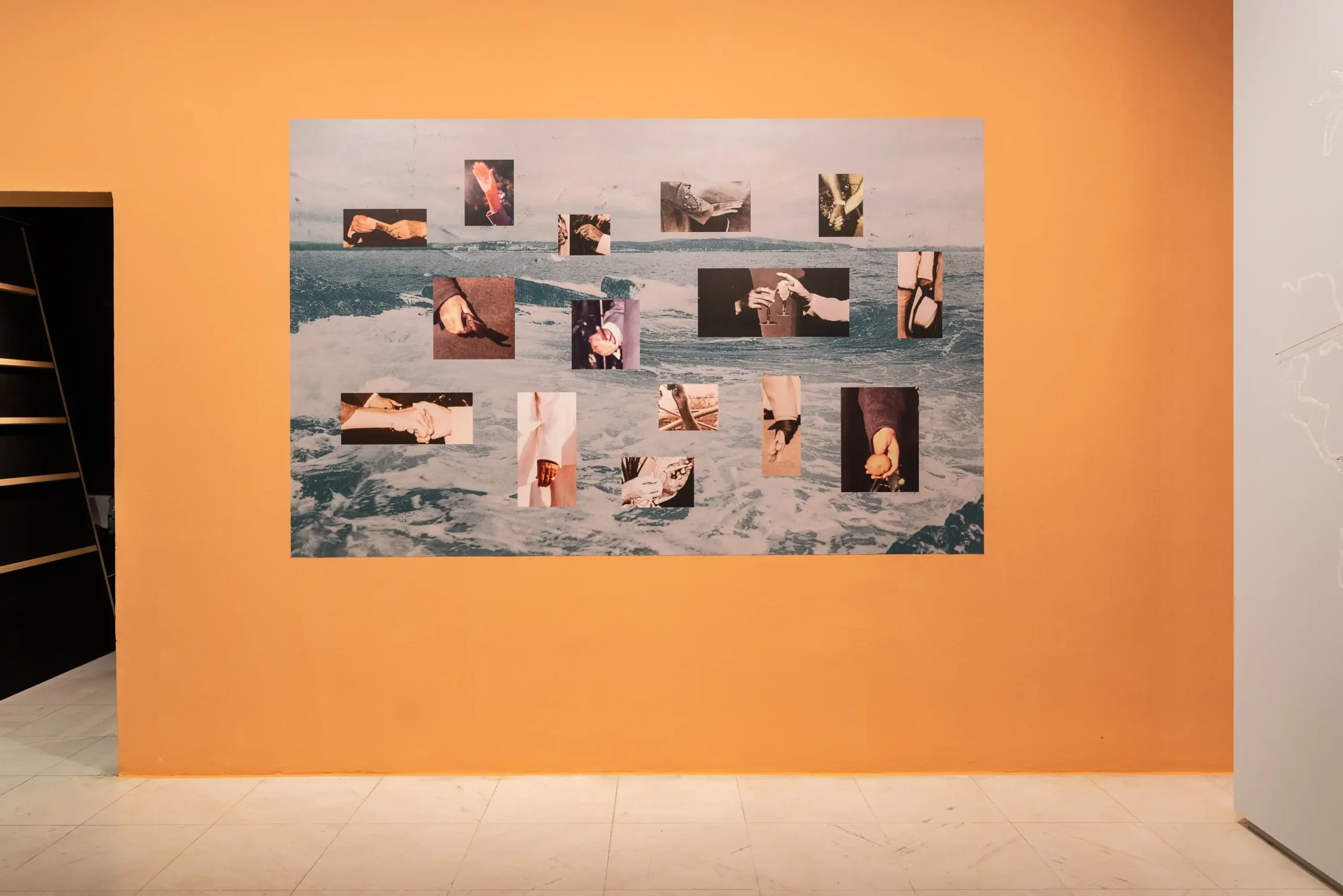
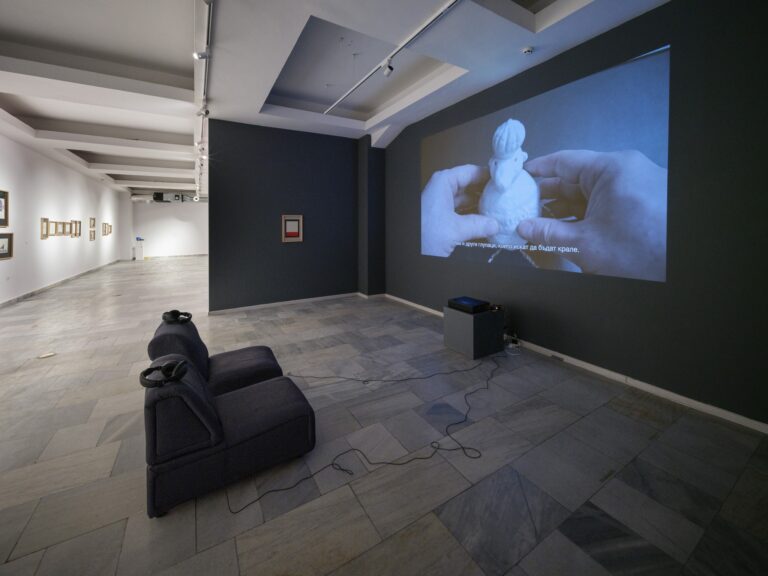
Brioni: A Necromantic Theatre with Paul Kupelwieser and Josip Broz Tito approaches the Brijuni Islands as a stage on which colonial desire, tourism, zoological collecting and the international politics of socialist Yugoslavia overlap. The project follows two figures who reshaped the archipelago: Austrian industrialist Paul Kupelwieser, who purchased the islands in 1893, and Yugoslav president Josip Broz Tito, who later used Brijuni as a state residence and diplomatic meeting place.
During Tito’s presidency, visiting heads of state gave animals to Brijuni. Zebras, antelopes, waterbucks, cattle and other species became part of a living collection through which diplomatic relations were made visible. The film treats this zoological landscape as a microcosm of Cold War internationalism, while also attending to its colonial forms of display. An interpretive parallel is drawn with older imperial traditions of presenting rare animals as signs of geographical reach and political power. It is not proposed as a continuous historical lineage.
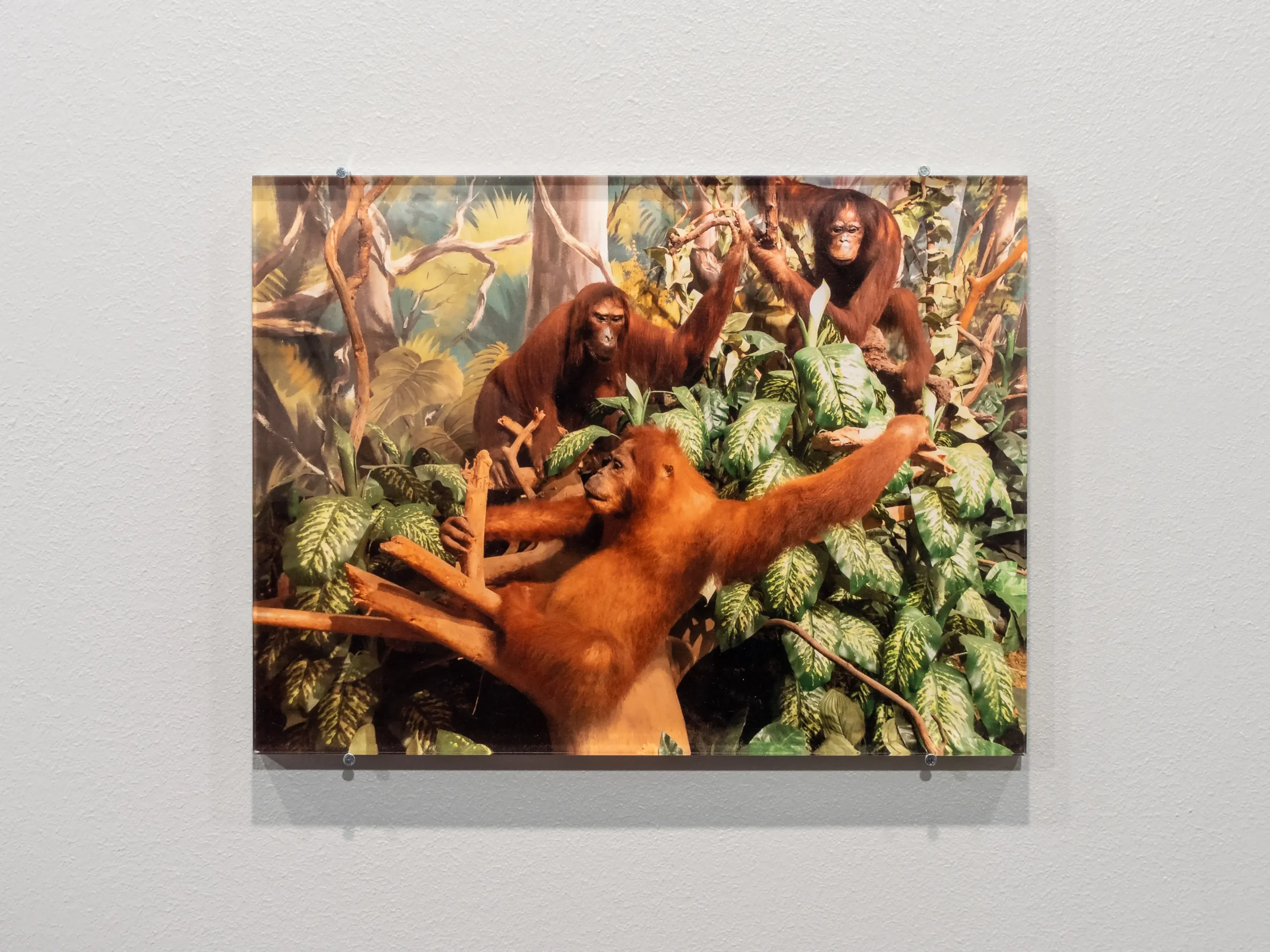
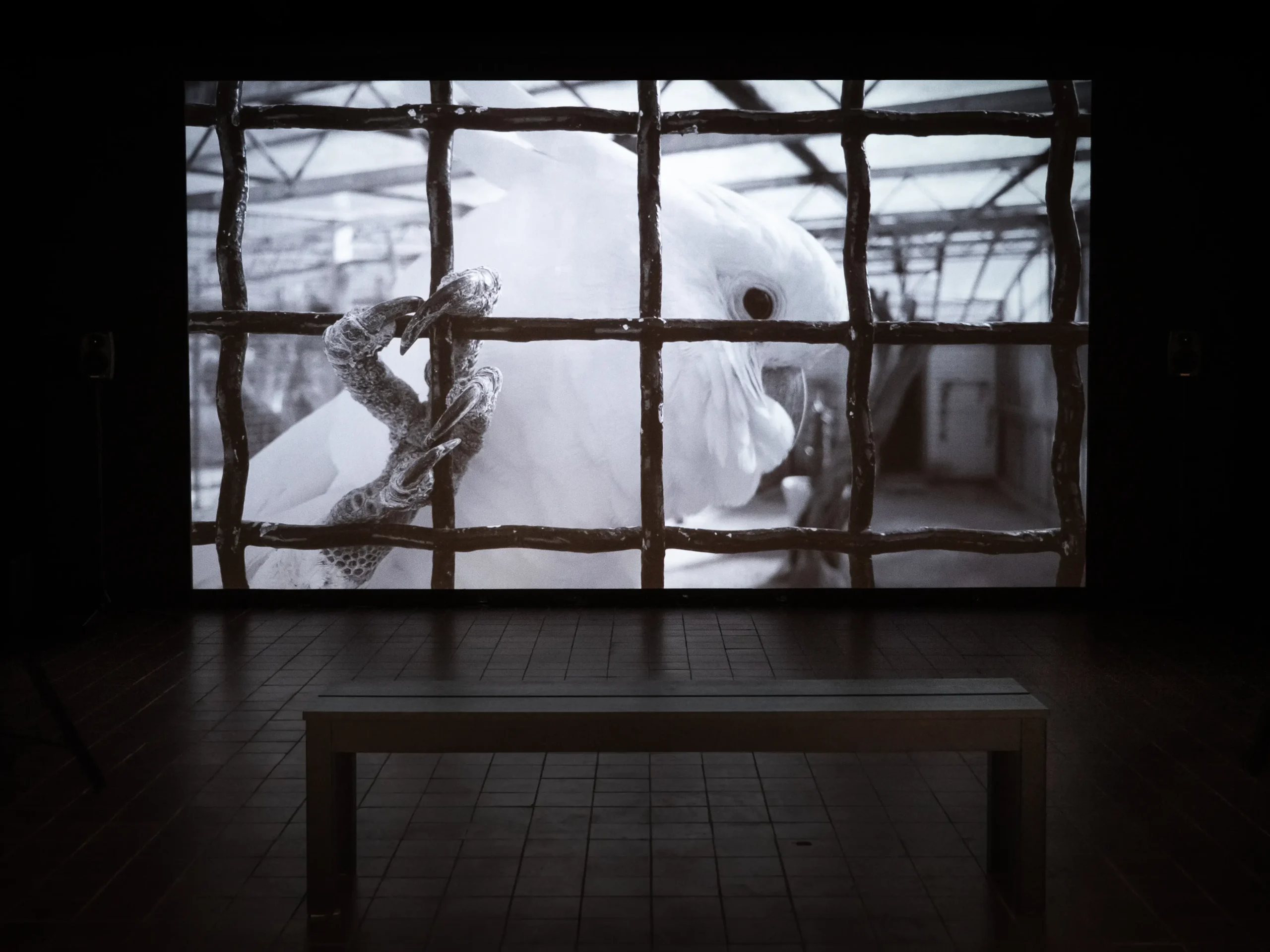
The island also preserves less stable stories: hybrid animals, taxidermied bodies, forgotten origins and anecdotes repeated through local memory. Among them is Koki, the cockatoo associated with Tito, whose calls seemed to return the dead president’s name to the present.
The encounter with Koki became an early point of departure for Noori and Bärtås’s necromantic method. Here, necromancy does not mean claiming that the dead can speak. It describes an artistic attempt to make historical remains operative under altered present conditions. Archival fragments, animal bodies, architecture, anecdotes and scripted voices are brought into relation, while the distinction between documented history and artistic construction remains visible.
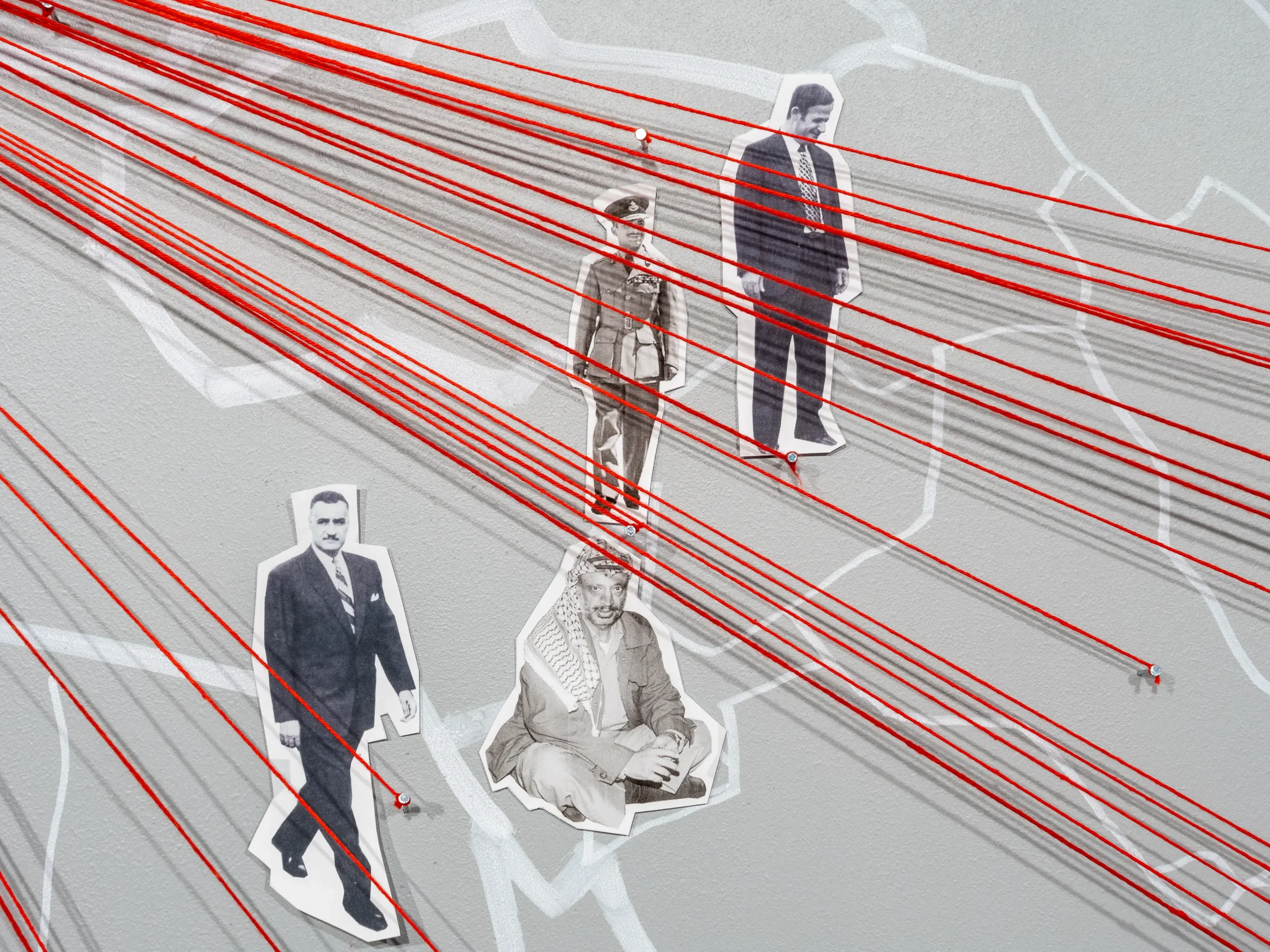
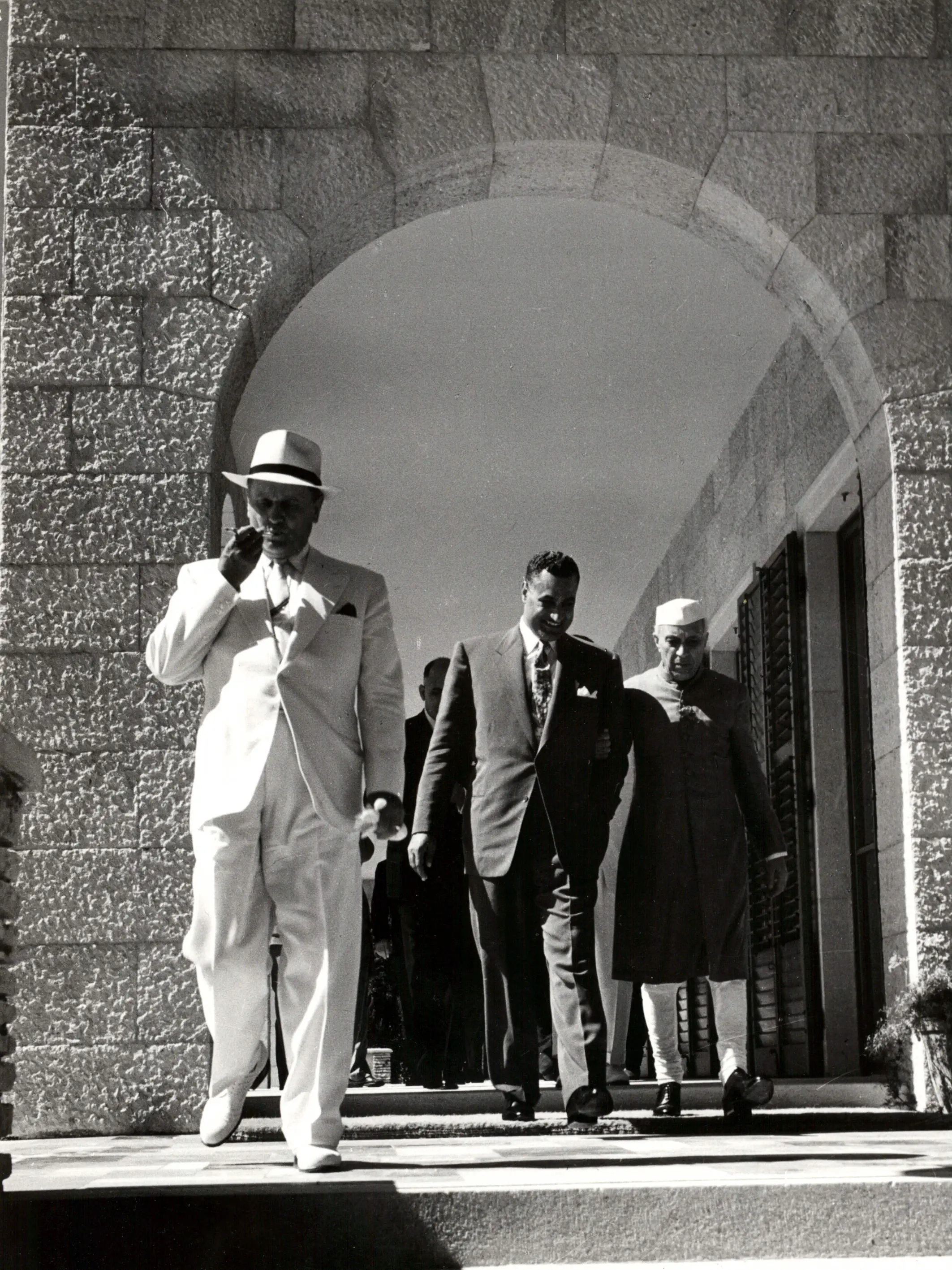
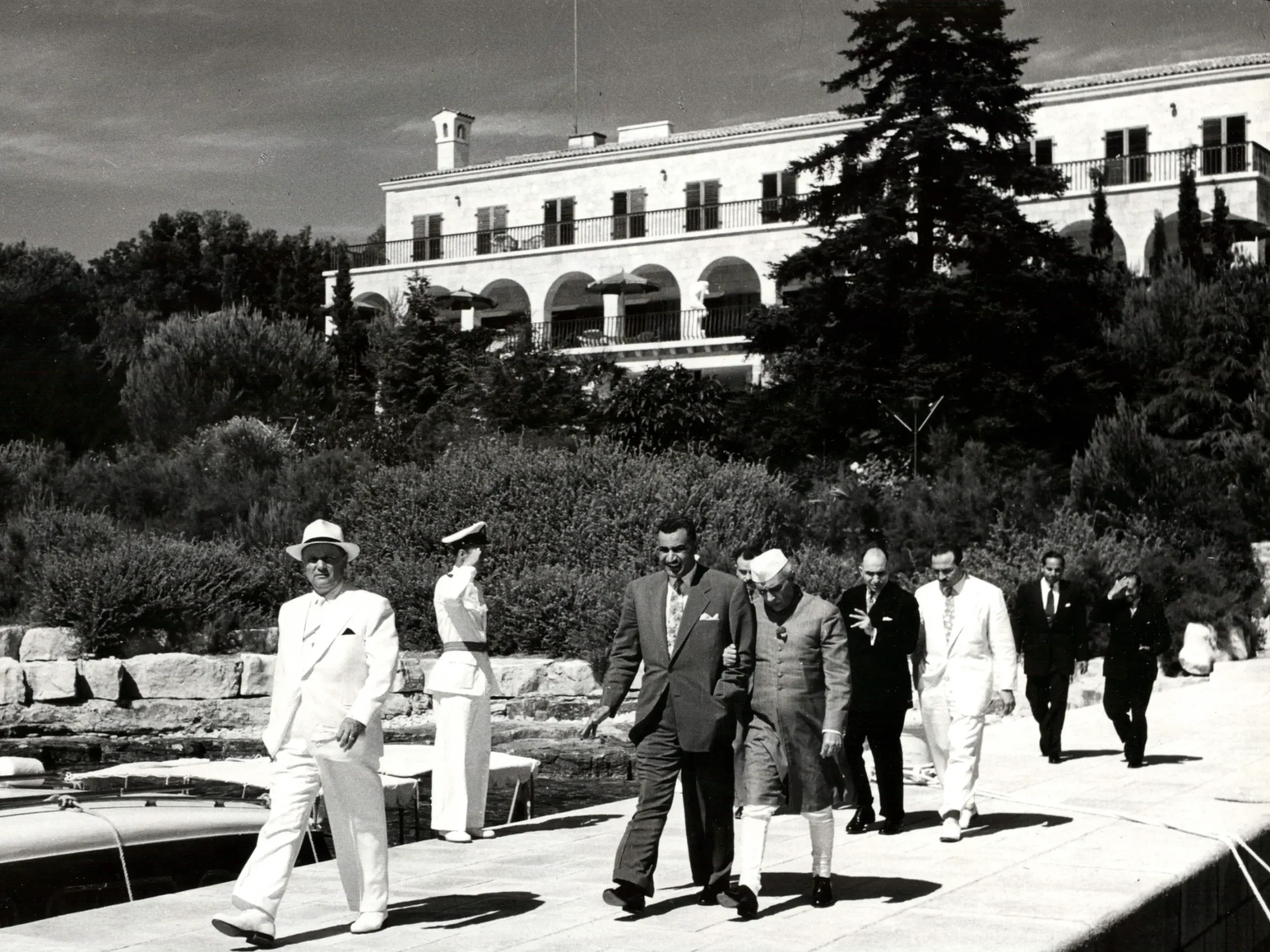
The film uses a fictional, pseudo-psychoanalytic encounter between Kupelwieser and Tito to connect their different investments in Brijuni. Kupelwieser transformed the malaria-affected archipelago into a resort and zoological site after a campaign involving bacteriologist Robert Koch. Tito later turned the islands into a political theatre. The 1956 Brioni meeting of Tito, Jawaharlal Nehru and Gamal Abdel Nasser was an important precursor to the Non-Aligned Movement, which was formally established at the Belgrade Conference in 1961.
Rather than narrate Brijuni through diplomatic history alone, the work stays with marginal details and everyday traces. Koki’s call, an animal hybrid, a diorama or a repeated anecdote can expose the mentalities that larger historical accounts leave implicit. The exception does not replace the broader history. It becomes a way of entering it.
“And Koki, that I gave to Saša, my dear granddaughter.
Excerpt from the film manuscript, an imagined voice of Tito
Still powerful, it seems.
When Ivo Sanader came to Brioni, they hid away from Koki.
Afraid that he would say my name.”