2017–2021
Film essay, 23 min 21 sec, Persian and English, colour, stereo
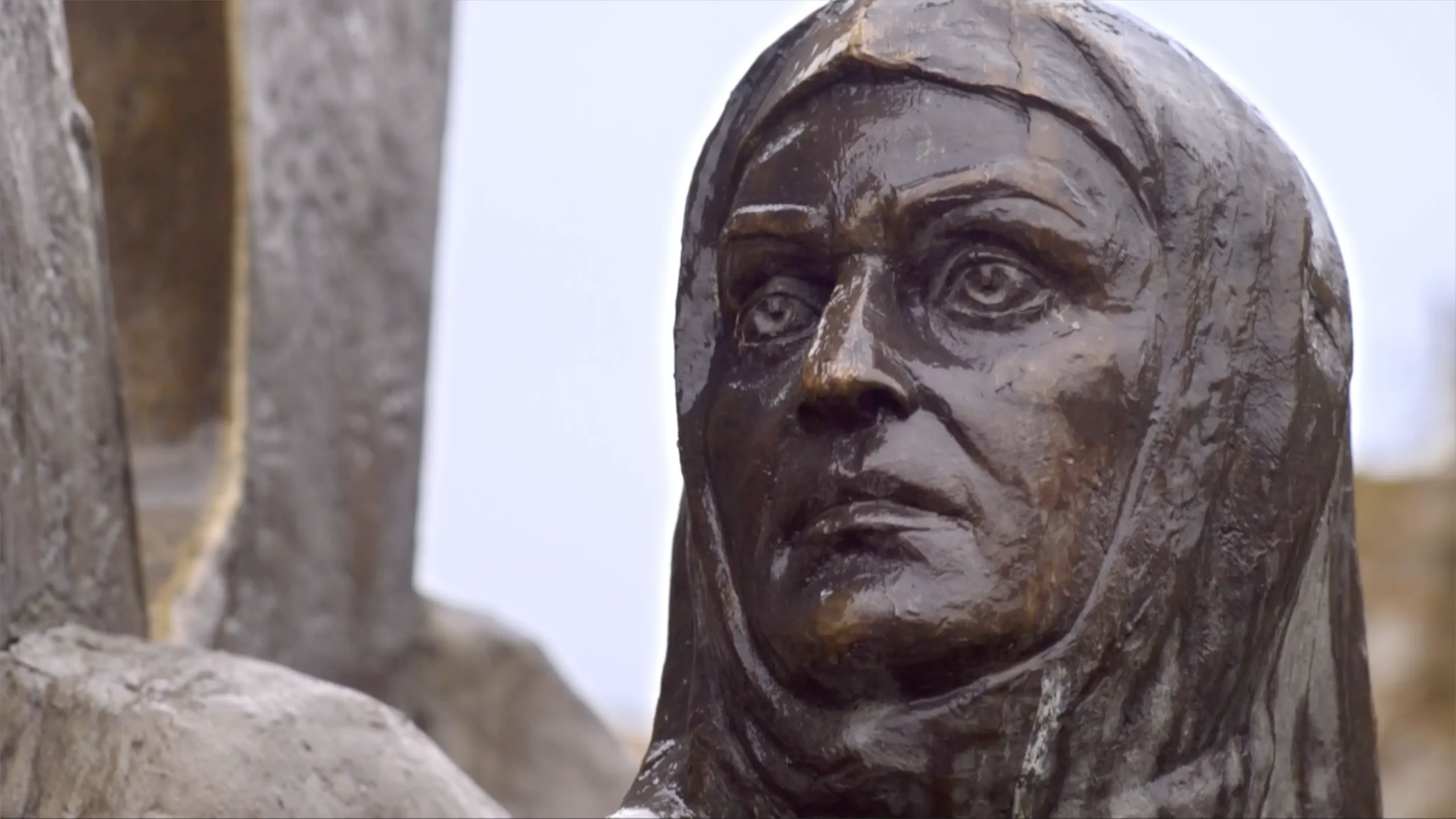
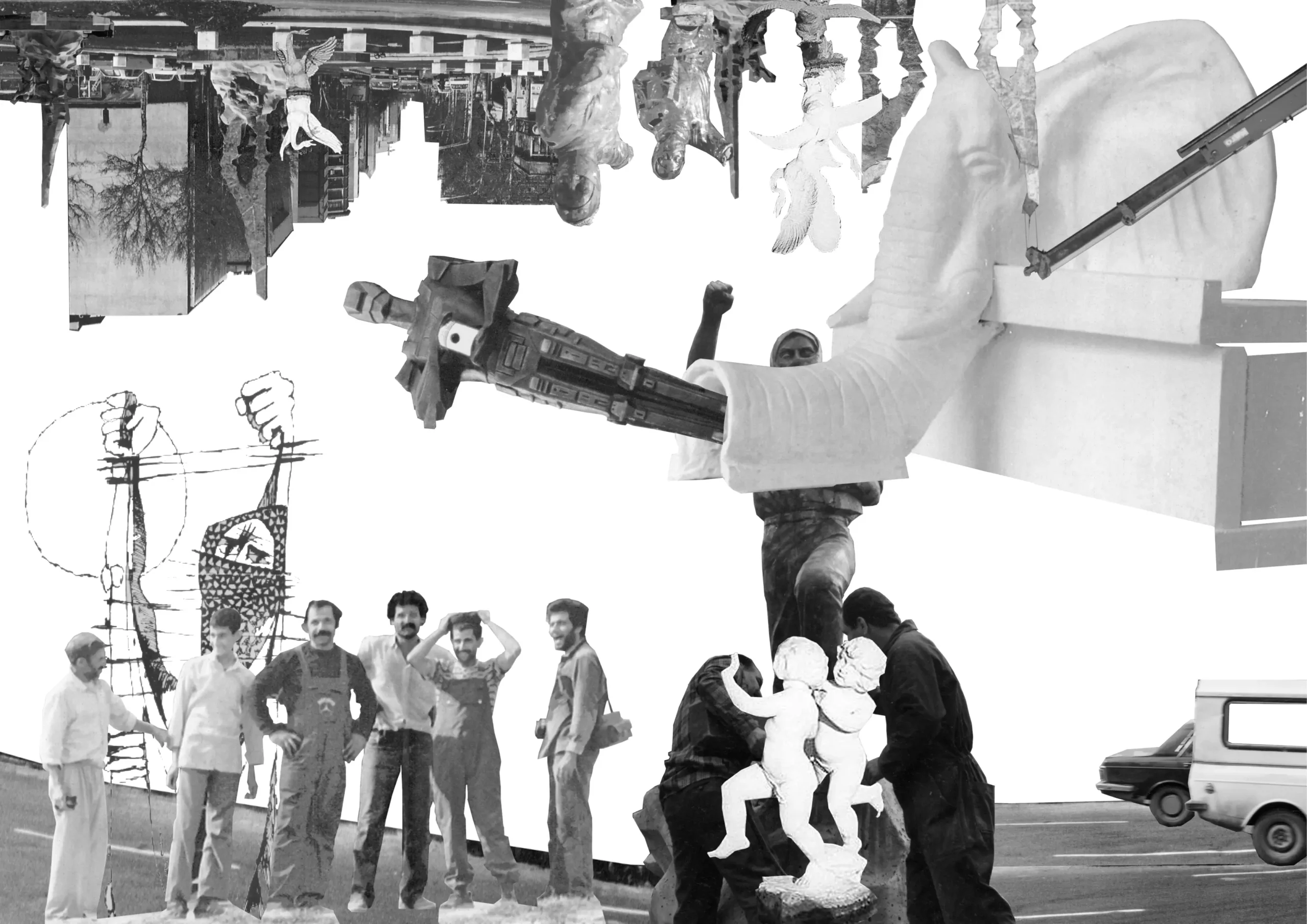
On the Dermis of History begins with the Palestine Monument at the intersection of Felestin and Talaghani Streets in central Tehran. Designed by Nader Qashghaie and inaugurated in 1990, the bronze-and-cement sculpture commemorates the Palestinian struggle and the First Intifada. It was the first public monument constructed in Tehran after the 1979 revolution.
The monument presents a dense political and visual construction. A mother protects her child, masked figures march and throw stones, and the silhouette of the Dome of the Rock appears beside an inverted map of Palestine. Social realism, religious imagery and revolutionary symbolism are assembled into a public declaration of solidarity. Yet the monument also reveals how Palestinian resistance was appropriated within the political language of the Iranian state.
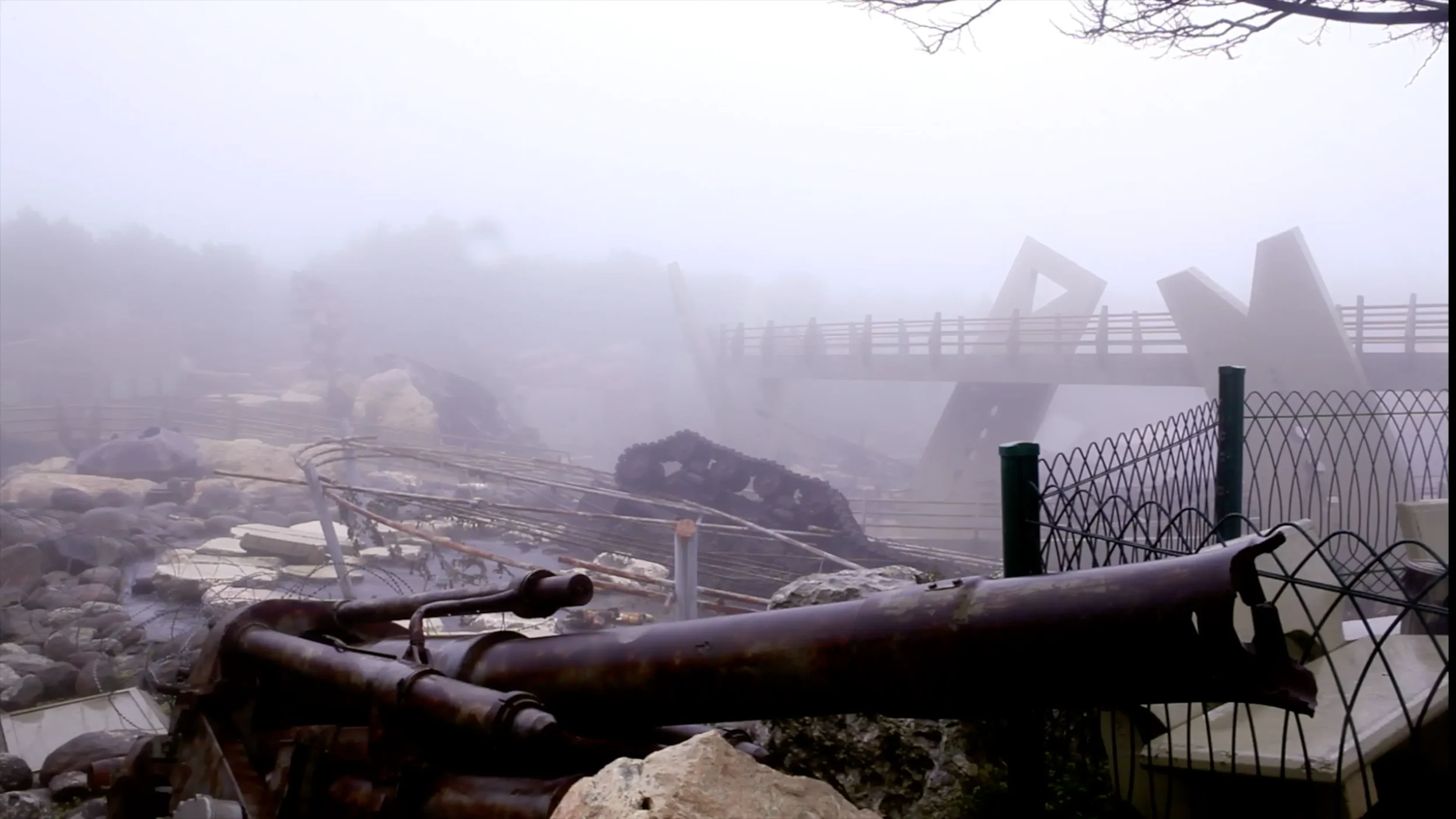
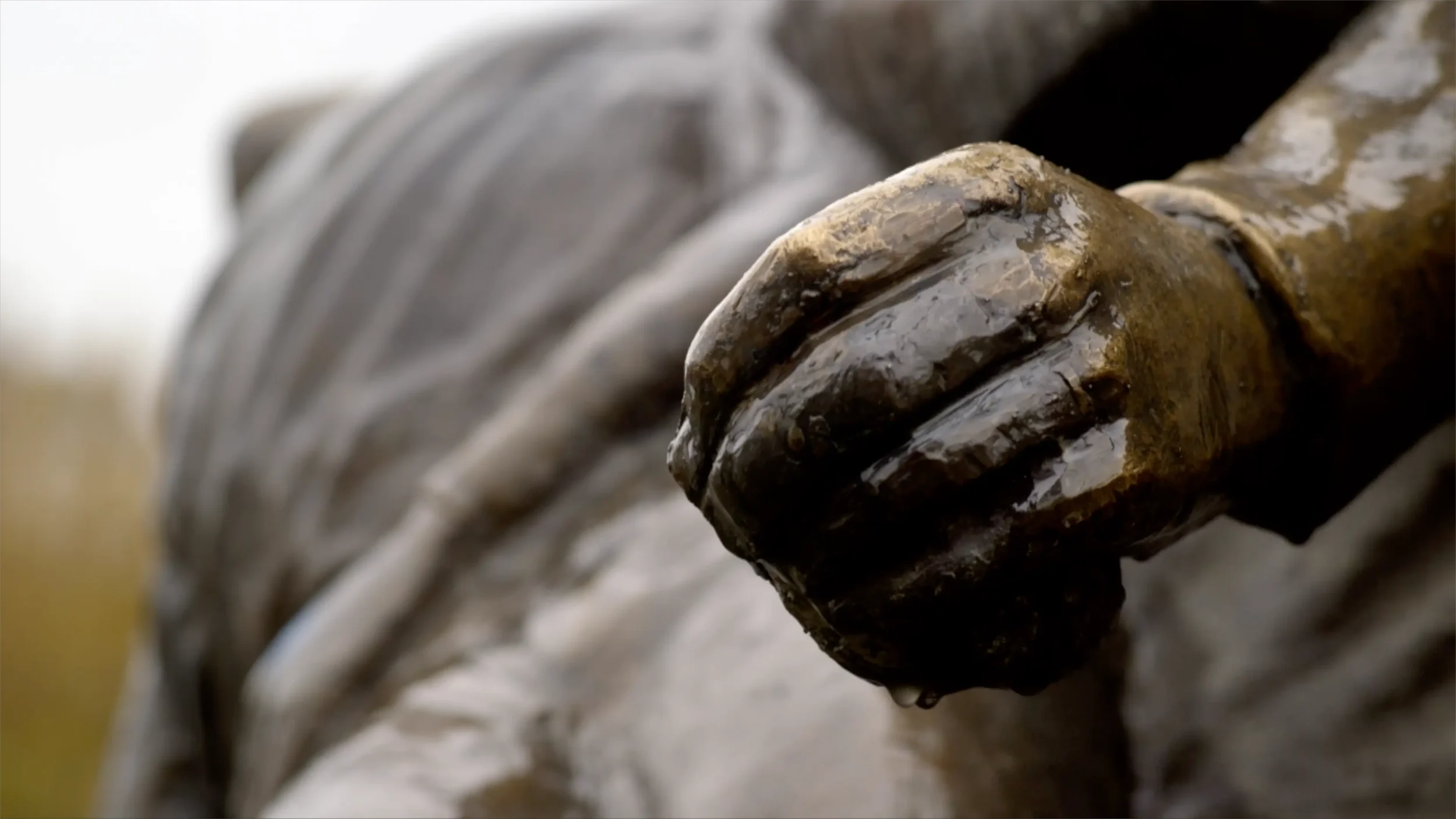
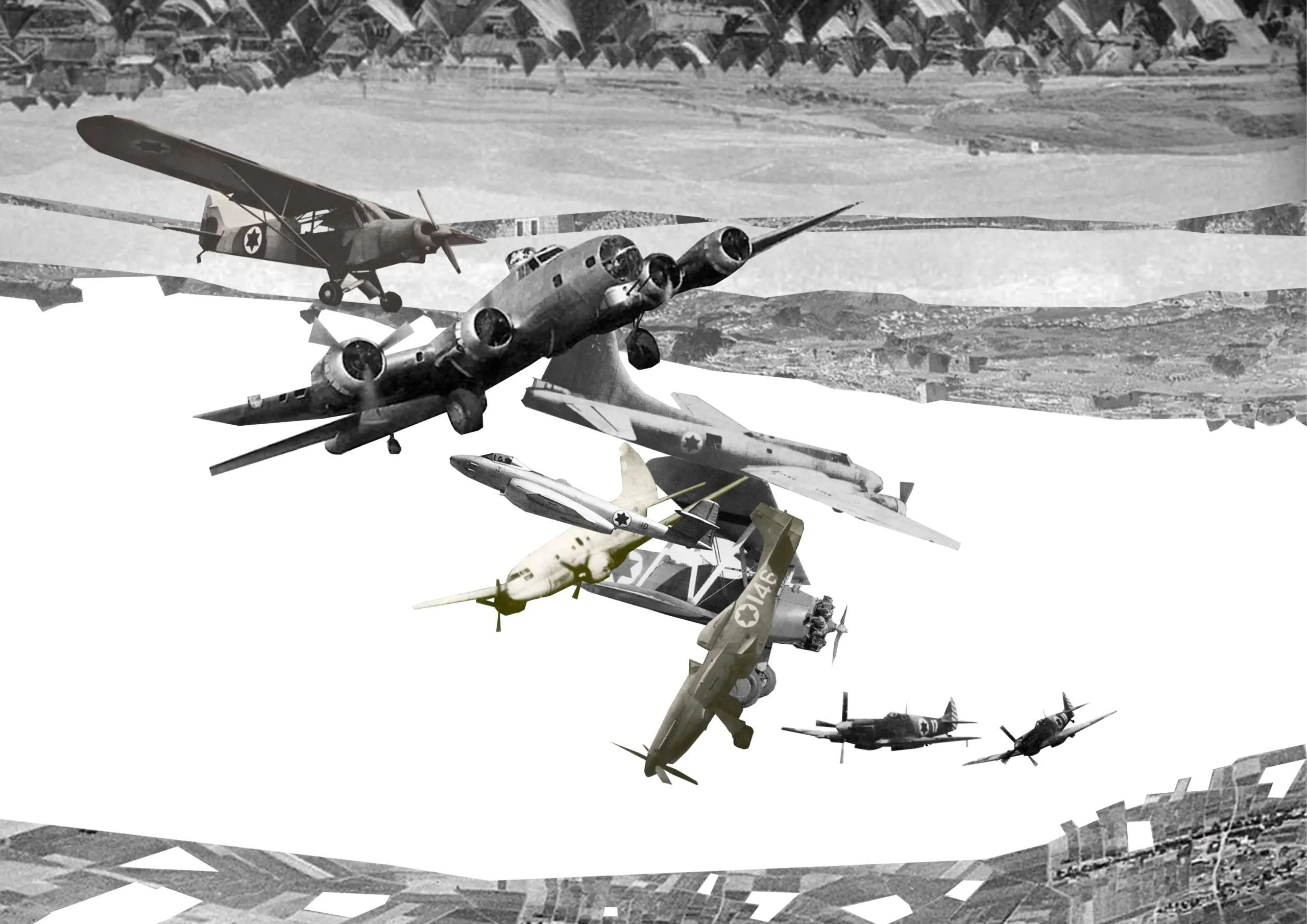
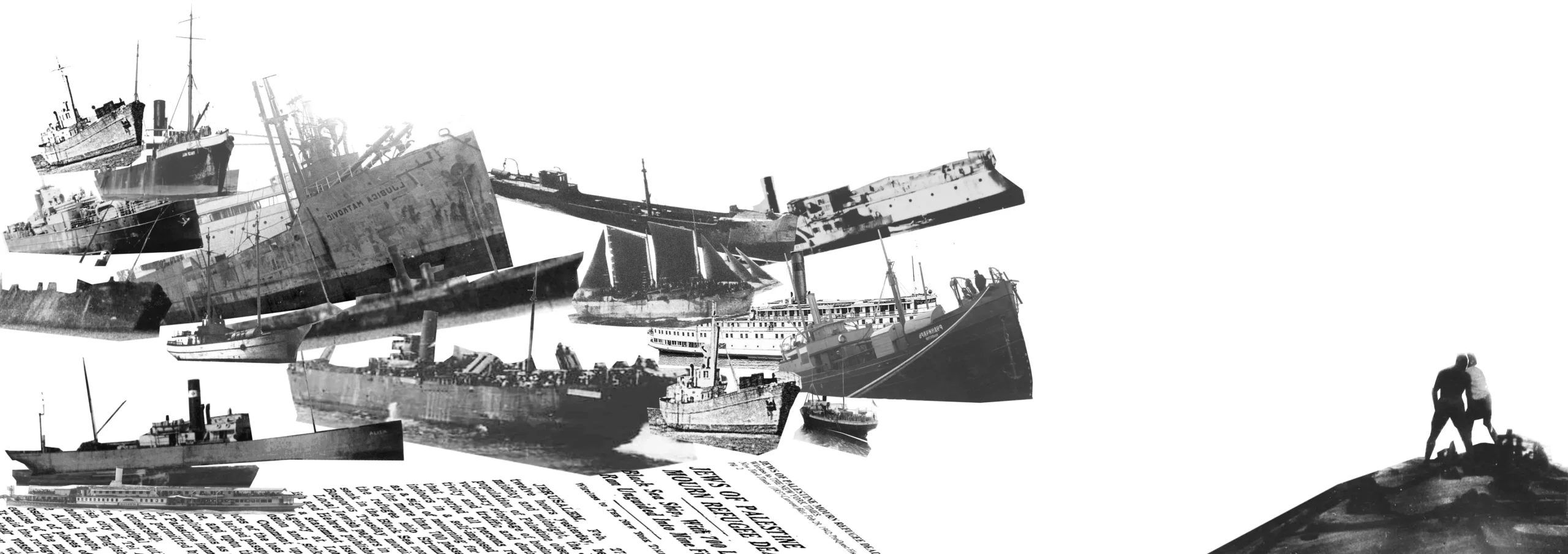
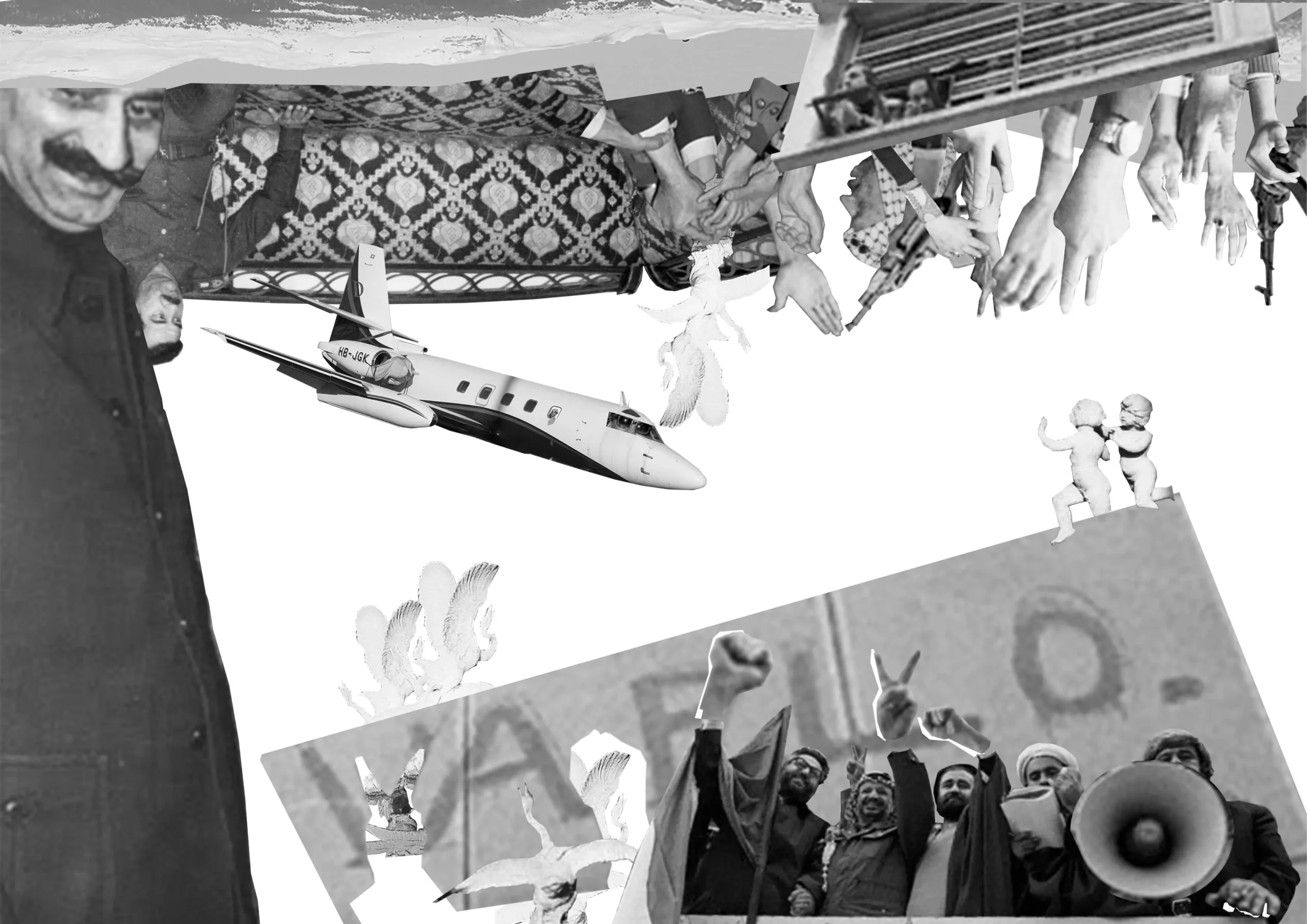
The film approaches the sculpture as more than a fixed historical object. Through archival footage, close observation and personal narration, it examines the monument’s material surface and the histories sedimented beneath it. The project moves between the political formation of post-revolutionary Tehran, representations of Palestine in 1980s Iran, and Noori’s childhood encounter with an imagined Palestinian child through a school textbook.
Rather than treating Iran and Palestine as equivalent political contexts, the film examines how their relationship has been produced through images, ideology and distance. It asks what solidarity can mean when direct experience is replaced by representation, and when the language of resistance is used by another hegemonic order.
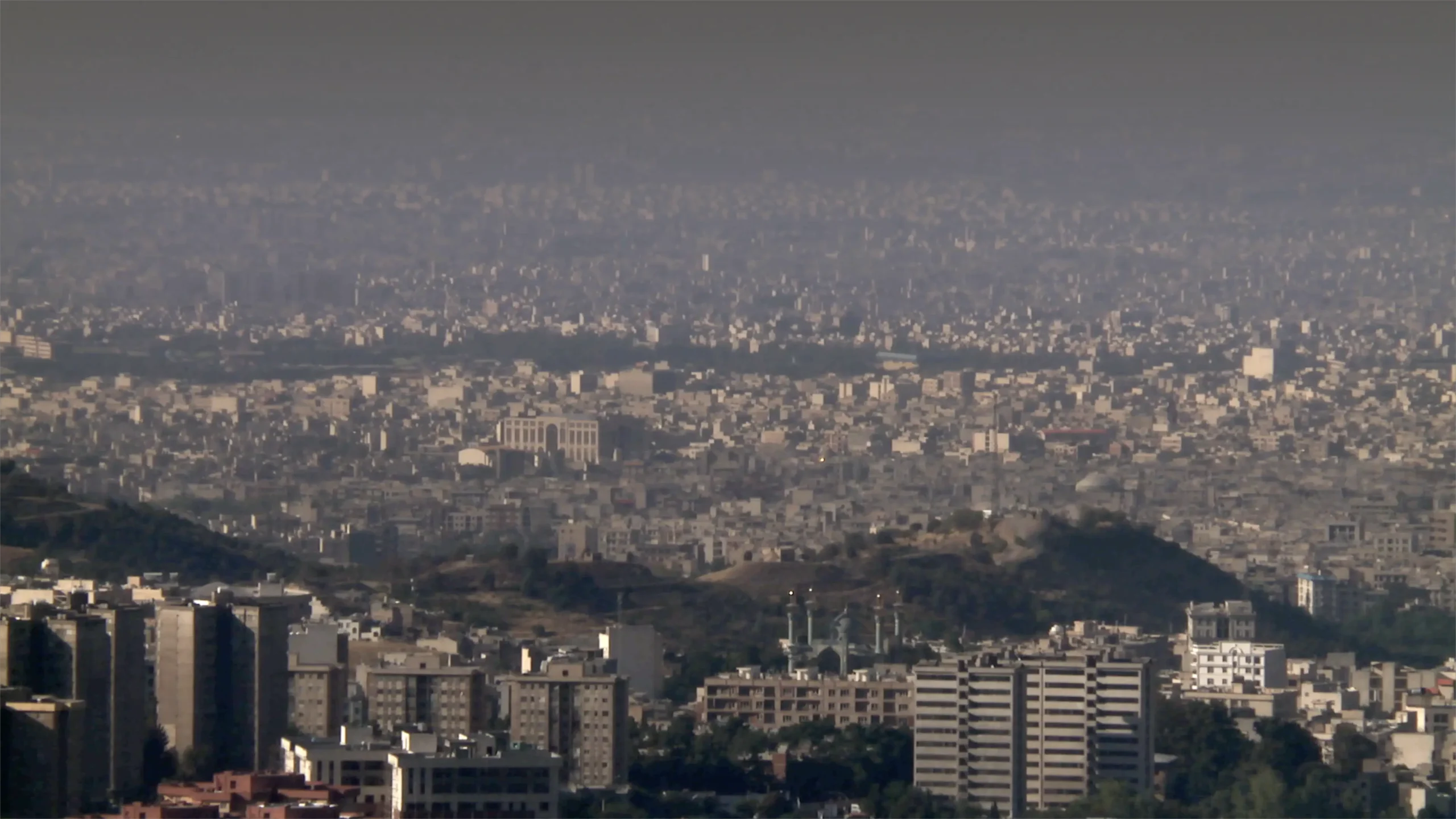
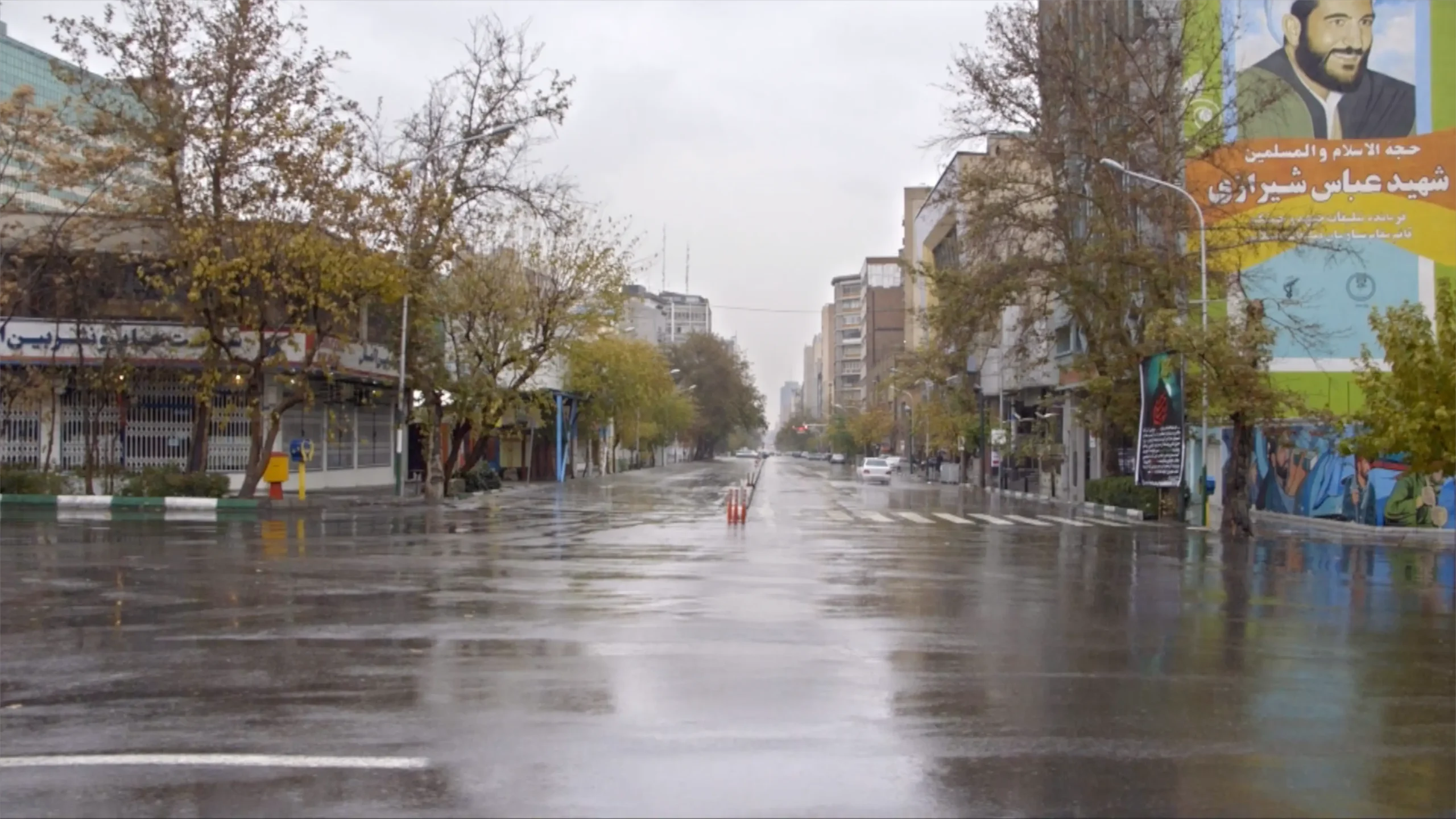
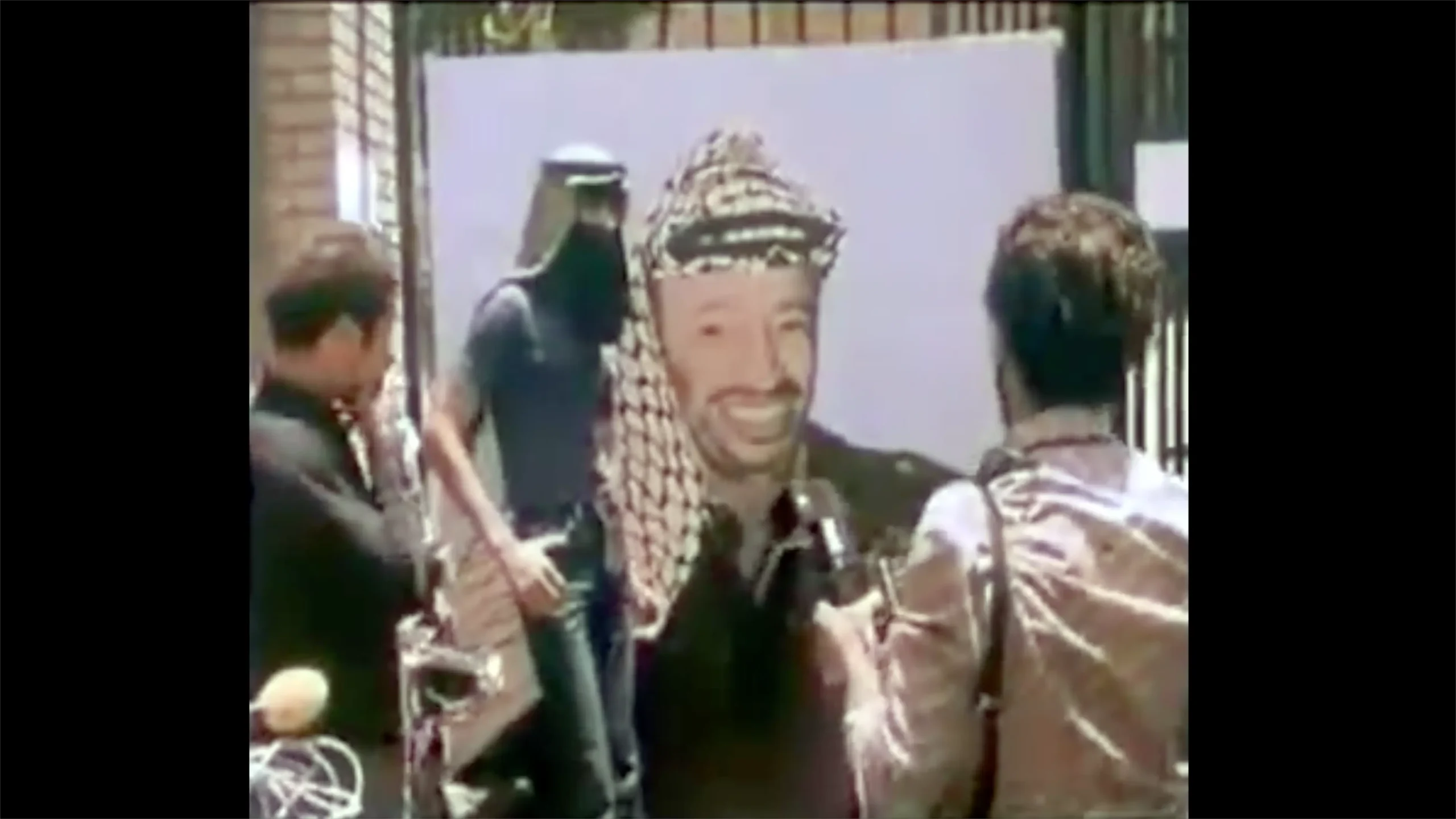
The title describes an attempt to work beneath the visible skin of history. The film asks: What can be known about a place one cannot enter? What happens to an image of resistance when it crosses a border? And how might artistic research address Palestine without reproducing propaganda, political romanticism or the commodification of suffering?