Animation Against Despotism
Labour, Politics, and Aesthetics

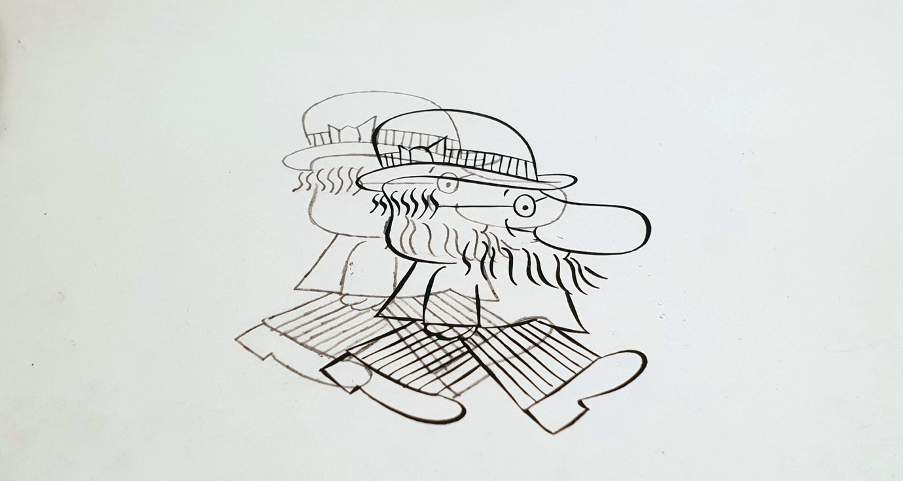
This course aims to critically examine the transnational dimensions of animation, with a focus on the political, social, historical and labour-related factors that have shaped animation production across various regions and movements. Exploring the works of key animation schools and studios, such as the Zagreb Animation School, Iranian Institute for the Intellectual Development of Children and Young Adults (CIDCA), The Films Division of India (FDI), the National Film Board of Canada (NFB), and United Productions of America (UPA), students will engage with the ways in which these institutions have challenged dominant narratives and aesthetic conventions in the animation industry.
The course, by proposing practical and historical implications, explores the role of labour in animation production, emphasising how economic and political conditions have influenced the creation and dissemination of animated works. We will explore the anti-Disney aesthetics that reject commercialisation and simplistic storytelling, instead promoting forms of animation that engage with social justice, political critique, and the lived realities of marginalised communities as well as representation of national identity within postcolonial nationals.
Through this lens, students will reflect on how animation can serve as a social and political tool for addressing issues such as colonialism, inequality, social justice and cultural representation. By analysing diverse animation practices in relation to both the subject and the means of production, they will gain an understanding of how these art forms transcend borders to advocate for critical thinking and propose cultural diversity and alternative futures through innovative storytelling techniques.

Through this lens, students will reflect on how animation can serve as a social and political tool for addressing issues such as colonialism, inequality, social justice and cultural representation. By analysing diverse animation practices in relation to both the subject and the means of production, they will gain an understanding of how these art forms transcend borders to advocate for critical thinking and propose cultural diversity and alternative futures through innovative storytelling techniques.
Contemporary Ar(t)chaeology and Prosopagnosia of History

VIS, Journal for Nordic artistic research, Issue No 12, Contemporary Ar(t)chaeology
This course explores the methodologies, reinterpretations, and re-examinations of our past. Through the lens of contemporary Ar(t)chaeology, a melding of art with the essence of archaeology, we aim to explore how artistic research can propose an alternative methodology which can challenge established historical narratives and present the possibilities of reimagining history.
The course will challenge to confront the ‘face blindness’ or prosopagnosia in historical narratives, particularly from colonial eras, and to explore whether contemporary art through re-search could highlight these gaps and emphasise the incompleteness of history.
The course aims to dive deep into postcolonial discourse, which will anchor our studies, casting light on the role and potential of contemporary art in micro/macro-historical explorations. We’ll grapple with questions concerning the future of our collective past and what will happen to art when it crosses the border.
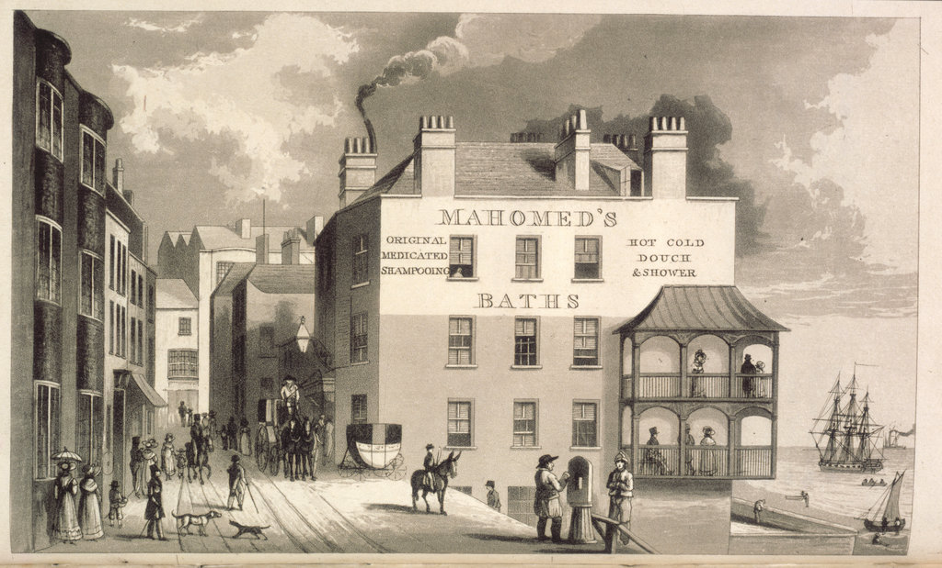
Using a site-specific pedagogical approach, students will have the opportunity to delve into the Maritime Museum’s archives, focusing on the multifaceted history of the East India Company.
Though the past might seem still, it’s full of life, a “dead-alive” entity that comes alive in our present, shaping the trajectories of our decolonial futures.
Landscape of Imagination

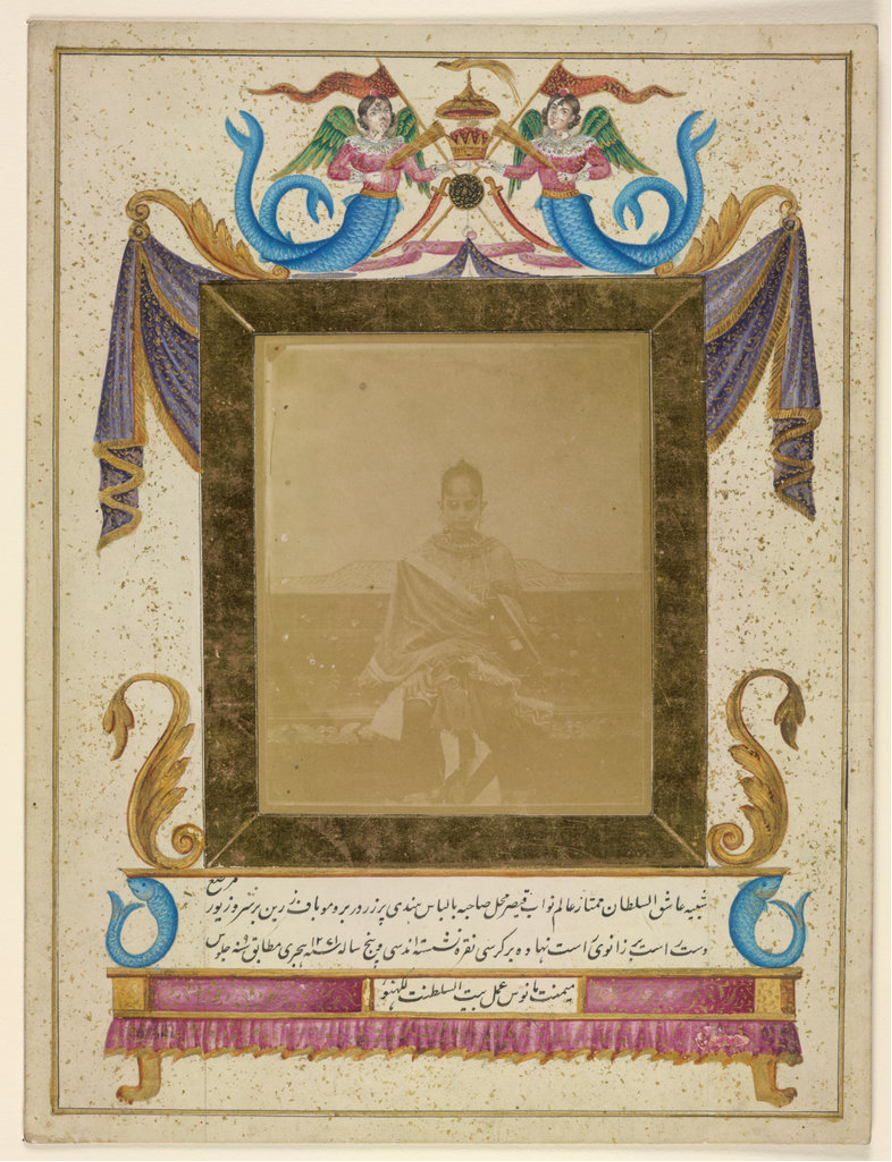
This research analyses archival photographs captured with a camera known in the Urdu language as the “Soul Catcher” in relation to backdrop painting in the context of the Global South. This project rethinks the history of backdrop painting and its reception as well as the historical and artistic dimensions of the camera itself, proposing a third, convergent space in which these practices coincide in contemporary times.
By exploring photos taken by the Soul Catcher camera, it attempts to examine the history of itinerant photography during the period of modernization following World War II in the newly independent country of Pakistan, and in particular, in the cities of Karachi and Lahore. The research attempts to explore and re-narrate a possible history of photography and painting within the Global South in relation to proletarian history and British art education in colonial South Asia.
The search to propose a transdisciplinary practice point to the complexity of the subject and context of the inquiry and how substructures perform in creating connections between seemingly irreconcilable arenas and forms of urban life and its transnational characteristics.
Postcolonial Theories and Decolonial Practices
Postcolonial Theories and Decolonial Practices is designed in the critical discourse around and about postcolonialism, particularly regarding art and aesthetics. This course meets the complexities and challenges inherent in thinking within a postcolonial framework.
While the globalised world might give the illusion of moving beyond the colonial mindset—economically, socially, and psychologically—recent events, such as the genocide against the Palestinian people, reveal the persistence of colonial power structures. The course problematises the term “postcolonial,” proposing instead the concept of “post-colony,” as it better captures the ongoing legacies of colonialism within the world order.
Drawing on the work of theorists like Boaventura de Sousa Santos, who identifies patriarchy, colonialism, and capitalism as intertwined systems of domination, this course will explore how these forces manifest in our contemporary world within the Global South. The central aim of the course is to engage students in decolonial practices rather than merely producing critical texts. While the study of postcolonial theory is foundational, the course emphasises praxis, encouraging students to engage in reflective and essayistic writing that bridges personal history with broader political and social contexts, known as autoethnography.
Through narrative strategies, film, and photography, students will explore the intersections of individual and collective memory, particularly within the context of Karachi, a city deeply marked by its colonial heritage.
This course challenges students to develop new artistic methodologies and reflections to understand and address unconscious colonial memory’s socio-economic and psychological foundations. It aims to establish artistic research and, as much as possible, decolonial methods of knowledge production.
The Object in the Mirror
Politics and Ethics in Art, Design, and Media

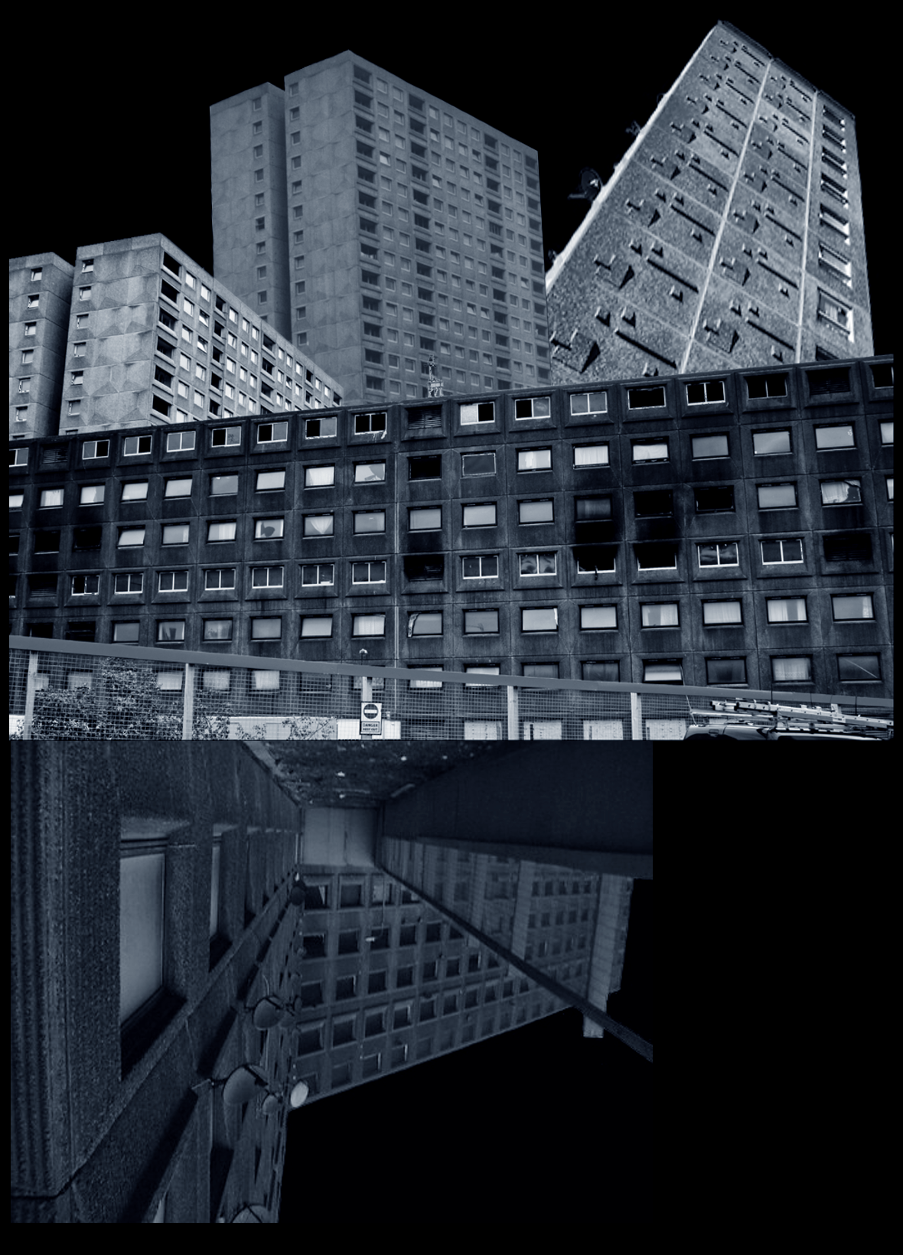
The course “The Object in the Mirror” aims to provide a critical analysis rooted in diverse material perspectives. This course investigates into a range of practical, aesthetic, conceptual, and material aspects that intersect with and transcend into the realms of design, media, and art, all through the lens of social justice within the context of contemporary Global and South Asia. It explores various practices and poses questions relevant to our current contemporaneity, including topics such as public space, humanitarian design, inequality, representation, states of exception, the political sphere, the materiality of borders, climate and social justice. This transdisciplinary course encompasses three primary areas of investigation: History, Theory, and Practice. We will inquire into the meaning of political art within the hyper-political context of our time and place, where every action is intricately linked to the prevailing political order amidst a backdrop of cultural crisis. Students will gain insight into the historical evolution of political art and design, explore the theoretical frameworks surrounding this subject of inquiry, and engage in site-specific practical work in Karachi, navigating the intersections of artistic, cultural, social, and political practices. Through the application of a site-specific, decolonial methodological approach, the course analyses a myriad of practices and artistic strategies that emerge at the crossroads of art, design, and politics.
This course primarily targets third-year students who are in the process of refining and developing their artistic practices.
The course will primarily focus on the idea of the future and the notion of utopianism. It will explore by proposing the aim of how to be remembered and what the future of our collective past is within our context. Investigating the notion of the future, we critically examine the transformation of art, design and discourse when/if they cross the border.
Necromancing and Artistic Research, A Decolonial Approaches

Have you ever talked to a dead? Have you ever imagined the existence of deceased people around you? Do you want to talk to them and ask questions about their past, life interpretations, mistakes, and the future they imagine?
If your answer is yes, you are welcome to join the first-ever Necromancy course at any university worldwide.
Although the questions are spooky and irrational, and historically, necromancy has been used for manipulation of the dead and death, we will try to bring another aspect into the past to discover the other capacity of necromancing in relation to artistic research and decolonisation.
Historiography often becomes entangled in conflicts, fueling chauvinistic claims of historical rights to lands. In response, artistic research emerges as a catalyst for alternative perspectives, embracing paradoxes, ambiguities, and complexities to challenge the given narration of the past or the dead.
Eva Kernbauer highlights artists as pioneers of historical inquiry, reshaping our understanding of the past and its relevance to the present and future. However, Kernbauer notes a growing demand for an ethical turn in contemporary art history, challenging the expectation of “right” stories.
In our explorative course, we navigate the complex terrain of “grey history”, a speculative approach that neither simplifies nor avoids political engagement. Instead, it creates a “room for thought”, fostering critical reflection.
Acknowledging the imperative for alternative production methods, our course links decolonisation, memory politics, and heritage restoration to investigation, engagement, and imagination of the past (dead) and future (not alive yet). Through emancipatory artistic research, we critically examine the histories of diverse geographies, transcending disciplinary boundaries.
During the course, we attempt to redefine and refine the microhistorical approach, the small invisible stories of the past in artistic research, juxtaposing it with speculative methods. Emphasising imaginative inquiry and rigorous historical study, we dig into the micro of everyday life, weaving new narratives and establishing horizontal connections. Informed by Hayden White’s emphasis on interpretation in historiography and Jacques Derrida’s concept of hauntology, we explore the notion of undead history—where past and present intersect unexpectedly. Through deliberate artistic methods, we summon ghosts of history, inviting dialogue between different temporalities.